Is 40 Degrees Cold For A Fridge

Ever open your fridge, grab a cold drink, and just assume everything inside is perfectly chilled and happy? We all do it! Our fridges are often the unsung heroes of our kitchens, quietly humming along, keeping our food fresh and safe. But have you ever stopped to wonder if your fridge is doing its absolute best work? Specifically, when it comes to that magic number: 40 degrees.
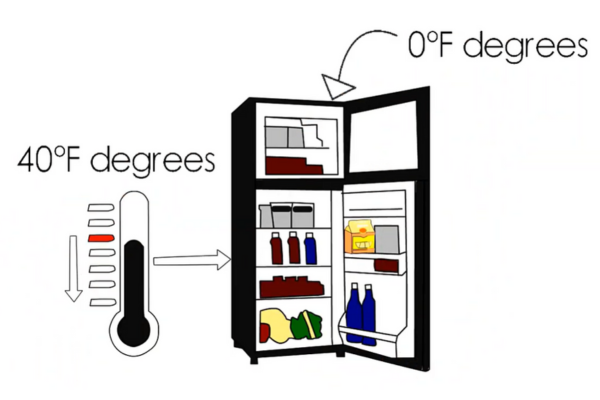
The question pops up a lot: "Is 40 degrees cold for a fridge?" It sounds pretty cold, right? You're not wrong – 40 degrees Fahrenheit is definitely cooler than room temperature. But when we're talking about food safety and keeping your yummy groceries at their peak, it's a bit more nuanced than a simple yes or no. Think of it like a cozy sweater; 40 degrees might be good, but sometimes you need a slightly warmer, or in this case, a slightly cooler, one for perfect comfort.
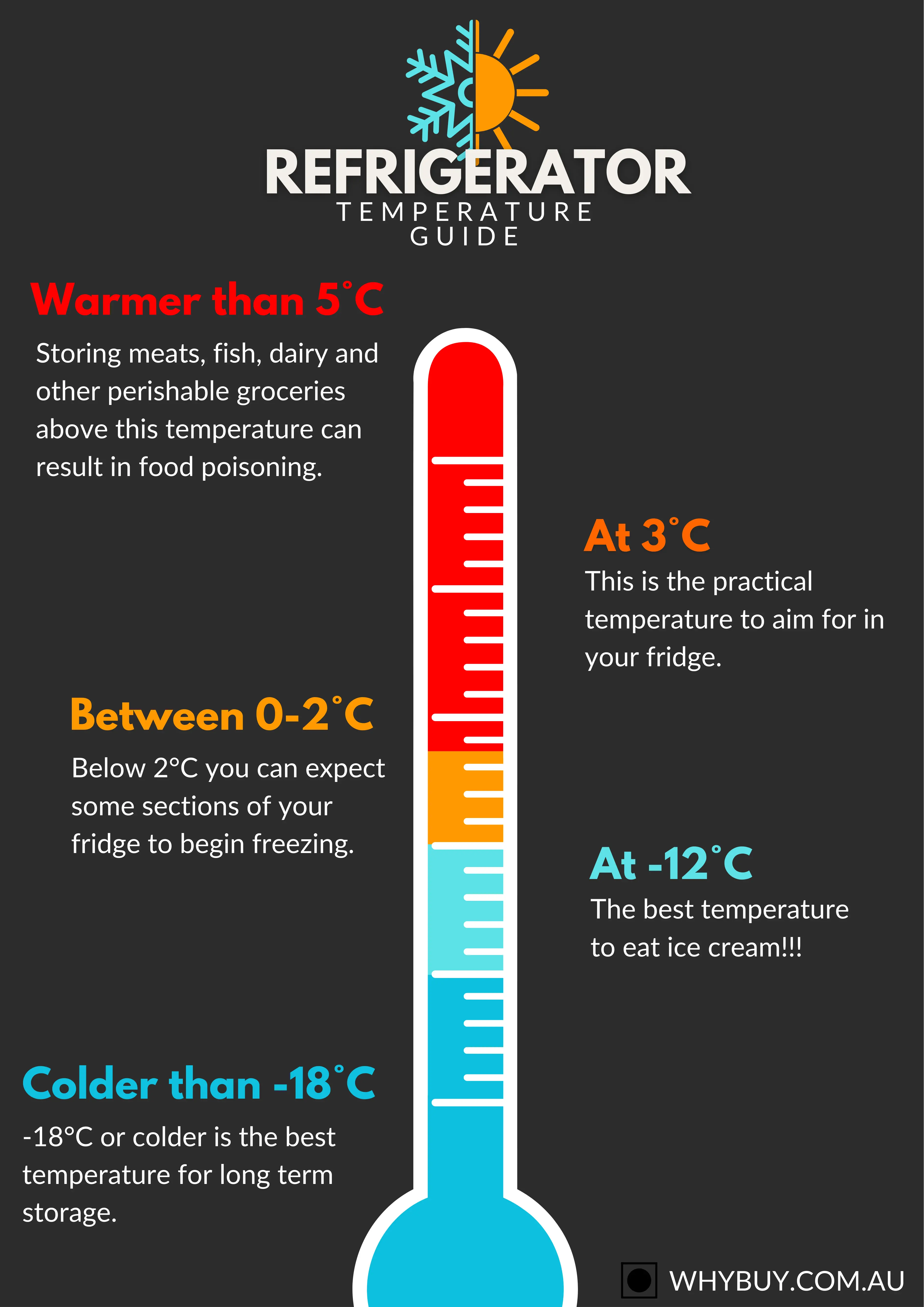
Here's the scoop: your fridge's main job is to put bacteria on pause. These tiny, invisible guests love to multiply, especially when food sits in what's called the "danger zone." This zone is generally considered between 40°F and 140°F (that's about 4°C to 60°C). In this range, bacteria can have a real party, multiplying rapidly and turning your delicious leftovers into something... less delicious, and potentially unsafe. So, while 40°F is the upper limit for safety, it’s not necessarily the ideal spot for optimal freshness.
Must Read
Many food safety experts, including the folks at the FDA, recommend keeping your fridge temperature at or below 40°F. But they often go a step further, suggesting an even chillier sweet spot for your perishable foods. We're talking about the magical range of 35°F to 38°F (or about 1.6°C to 3.3°C). This colder temperature slows down bacterial growth even more effectively, giving your food a longer, happier shelf life. It’s like having an extra layer of protection for your milk, cheese, and chicken.
So, if your fridge is consistently sitting right at 40°F, it's technically safe. But it's also living right on the edge of that danger zone. A slight power flicker, an open door for too long, or even just a very warm kitchen could push it over the edge. And nobody wants to open their fridge only to find a sad, soggy salad or milk that's developed a suspicious lump a few days too early. Maintaining a slightly colder temperature within that ideal range can make a significant difference in how long your food stays fresh and safe to eat. It means fewer mystery smells and less food waste, which is a win-win for your nose and your wallet!
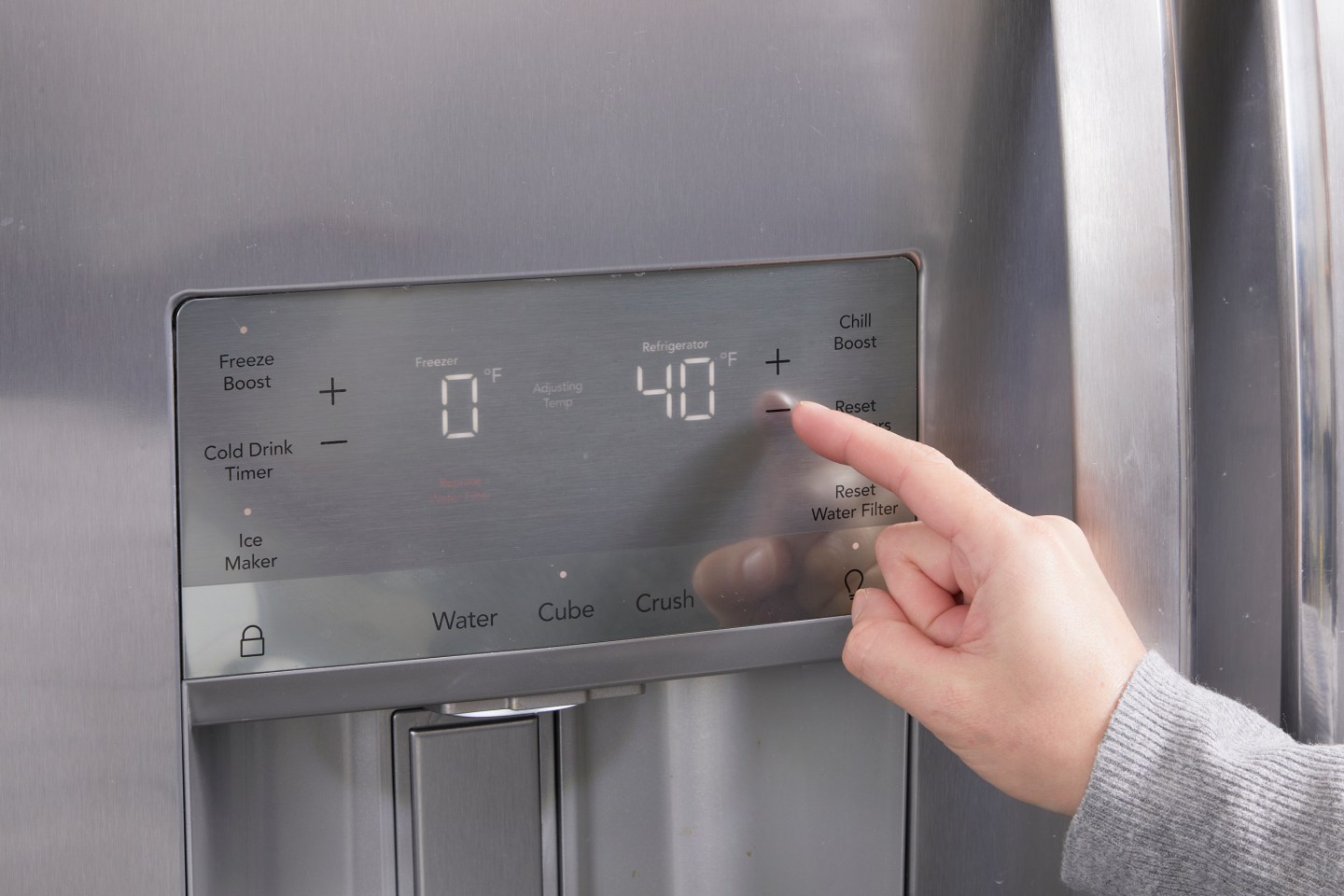
What happens if your fridge creeps above 40°F? Well, that's when things can get a little dicey. Bacteria like Salmonella, E. coli, and Listeria thrive in warmer conditions. They don't just make food go bad faster; they can also cause serious foodborne illnesses. Imagine bringing home fresh groceries, only for them to start spoiling before you've even had a chance to enjoy them! That's a fridge that's working too hard, or rather, not hard enough.
On the flip side, what if your fridge is too cold, say, below 35°F? While it sounds super safe, it can also create its own set of problems. Ever pulled out a half-frozen head of lettuce or a block of cheese that feels like a brick? That's your fridge overdoing it. Some delicate foods can get damaged by freezing, changing their texture and taste. Plus, a fridge that’s running extra cold is likely using more energy than it needs to, which isn’t great for your electricity bill or the environment.
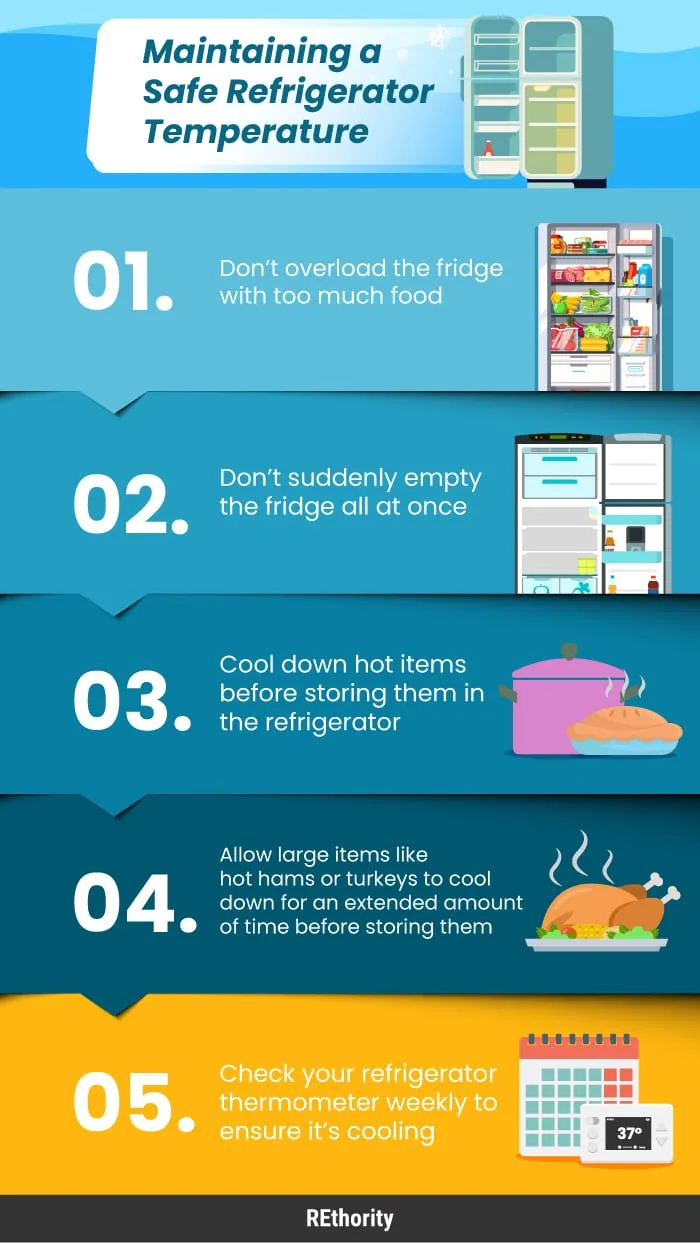
So, how do you become a fridge detective and make sure yours is in that optimal sweet spot? It's surprisingly easy! The best way is to invest in a simple, inexpensive appliance thermometer. You can usually find these at any grocery store or online. Just place it in the middle of your fridge, and leave it there for a few hours (or overnight) to get an accurate reading. Don't just rely on the dial on your fridge; those can sometimes be a bit off.
Once you know the temperature, you can adjust your fridge's settings accordingly. Remember, the goal is to aim for that comfortable 35°F to 38°F. Small adjustments can make a big difference. And it’s not just about the setting! Simple habits can help maintain that perfect chill. Don’t overcrowd your fridge, as good airflow is key. Try not to leave the door open for ages while you contemplate your snack options. And always let hot leftovers cool down a bit on the counter (but no longer than two hours!) before tucking them into the fridge. Placing hot food directly in can temporarily raise the overall temperature, putting everything else at risk.
Ultimately, making sure your fridge is running at the correct temperature is one of the easiest and most important things you can do for food safety and freshness. It means less food waste, safer meals, and more delicious enjoyment from your groceries. It’s a small adjustment that leads to a big payoff.
"A well-maintained fridge isn't just a convenience; it's a cornerstone of a healthy kitchen."
So, next time you swing open that fridge door, take a moment to consider its internal temperature. Is it merely 'cold enough,' or is it truly optimized for peak freshness and safety? Grab a thermometer, make a quick check, and give your fridge the attention it deserves. Your food (and your tummy!) will thank you for it. Happy chilling!