Iron Is A Metal Or Nonmetal
Ever paused to consider the very fabric of the world around you? From the sturdy gates of a garden to the crucial nutrients in your breakfast cereal, one element pops up everywhere: iron. But have you ever stopped to wonder, is iron a metal or a nonmetal? It might seem like a simple question, but diving into the answer is a fun way to peek behind the curtain of chemistry and understand why iron behaves the way it does, making it incredibly useful in our daily lives.
Understanding whether an element is a metal or nonmetal isn't just a classification exercise for chemists; it’s a fundamental distinction that tells us a lot about its potential. Think of it as a personality profile for atoms! Metals typically share traits like being shiny (having a metallic luster), good conductors of heat and electricity, and being both malleable (can be hammered into thin sheets) and ductile (can be drawn into wires). Nonmetals, on the other hand, tend to be poor conductors, brittle, and lack that characteristic shine. So, where does our friend iron fit in?
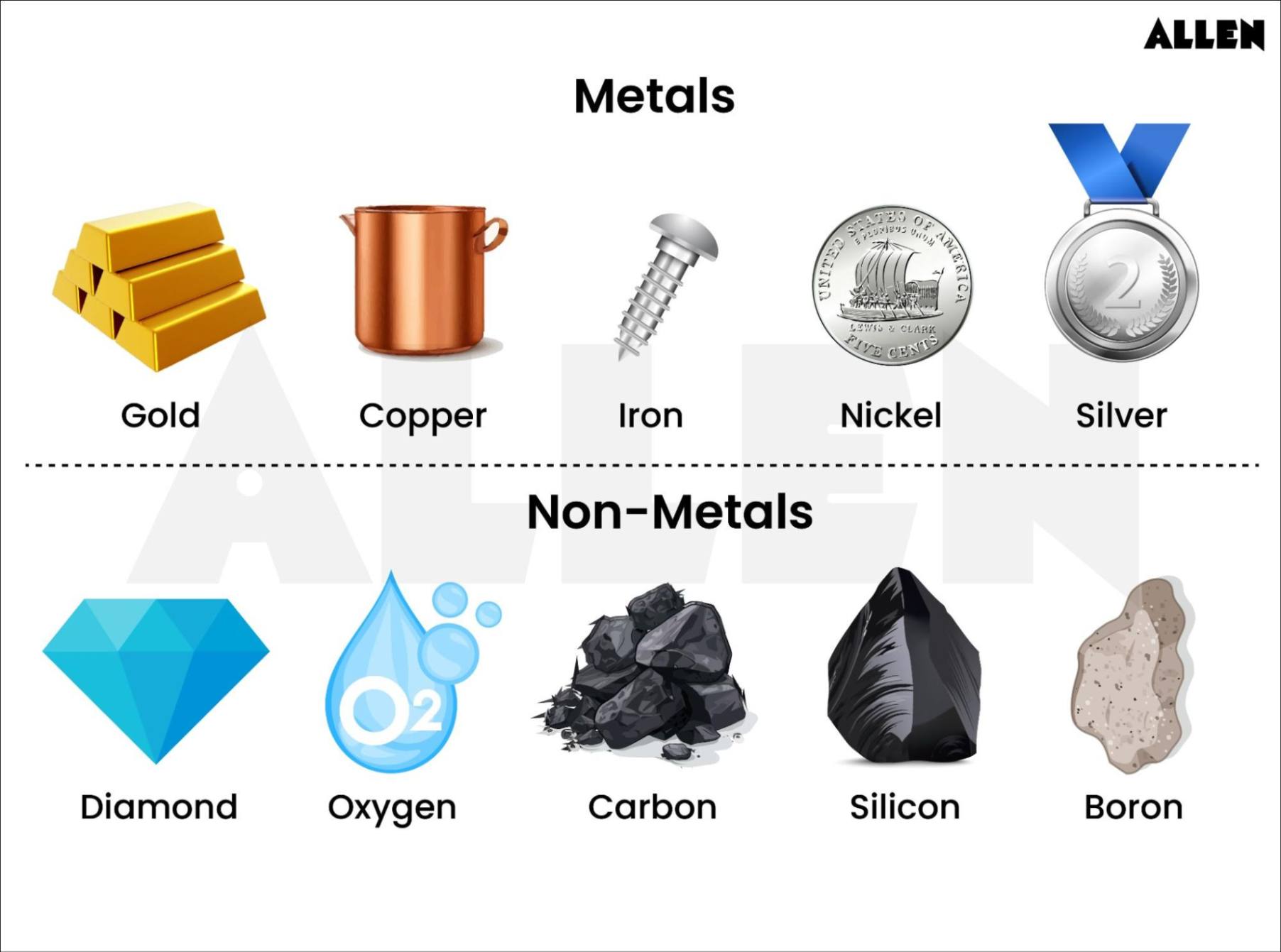
Well, turns out, iron is definitively a metal! And a very important one at that. Its metallic properties are precisely why we rely on it so heavily. The benefits of iron being a metal are vast: its incredible strength and hardness make it ideal for construction and tools. Its ability to conduct heat efficiently is why your grandmother's cast iron skillet cooks food so evenly. Furthermore, when combined with other elements to form alloys like steel, iron's metallic nature is enhanced, leading to materials that are both strong and resistant to corrosion, revolutionizing everything from skyscrapers to surgical instruments. Even in our bodies, the iron in our blood (hemoglobin) helps transport oxygen, showcasing its versatile, life-sustaining purpose.
Must Read
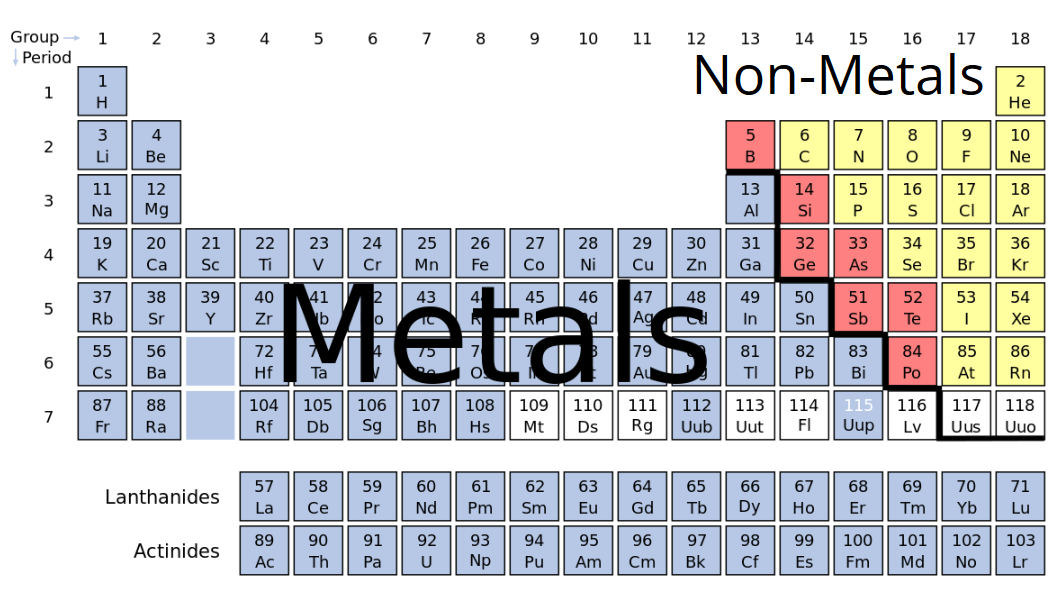
You can see examples of iron's metallic prowess all around you. In education, learning about iron helps us understand the periodic table, explaining the trends and behaviors of elements. In daily life, just look at the rebar reinforcing concrete in buildings, the engine block of a car, or even the paperclips on your desk. These are often made from steel, which is primarily iron. The magnetic properties of iron are another classic example, explored in science classes worldwide and utilized in everything from electric motors to refrigerator magnets.
Want to explore iron's metallic nature yourself? It's surprisingly easy! First, simply look for objects that a magnet sticks to – chances are, they contain iron (or other ferromagnetic metals like nickel or cobalt). Try finding a discarded steel nail outside and observe it over a few weeks; you'll witness rusting, which is iron reacting with oxygen and water, a common characteristic of many metals. You could also carefully compare how quickly a metal spoon (often stainless steel, an iron alloy) heats up in hot water compared to a plastic spoon. These simple observations highlight iron's metallic properties and why understanding them is both fascinating and incredibly practical. It's a journey into the elements that makes the everyday world just a little bit more amazing.