International Trade Product Life Cycle Theory

Ever wondered why that cool gadget you just bought was "Made in China," even though it was invented in California? Or why your favorite European chocolate bar suddenly seems to be made in a different country? That's where the International Trade Product Life Cycle Theory comes in! It's like a globe-trotting adventure for your products, explaining how they move across the world as they become more popular. Trust me, understanding this theory is not only fascinating but also incredibly useful for anyone interested in business, economics, or just understanding the global marketplace.
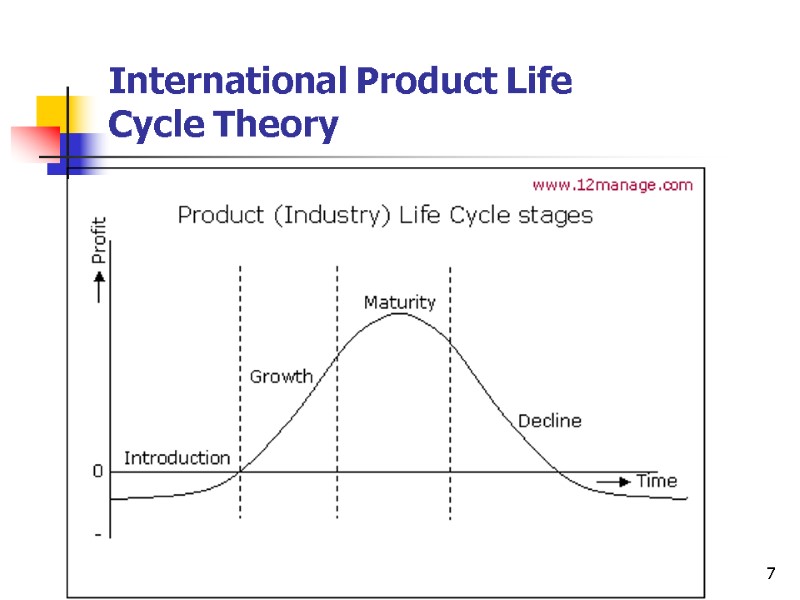
So, what’s the big idea? The Product Life Cycle Theory basically says that products, much like living things, go through stages: introduction, growth, maturity, and decline. But instead of just withering away, products can travel the world! Let’s break it down:
Stage 1: Introduction – Born in the Innovator’s Land. Imagine a bright idea sparks in a developed country, like the USA or Germany. Think smartphones, electric cars, or some groundbreaking medical device. Production starts at home because specialized knowledge, skilled labor, and lots of capital are needed. These countries are often the only ones with the infrastructure and expertise to pull it off. Initially, these products are expensive and mostly sold to wealthy customers in the inventing nation.
Must Read
Stage 2: Growth – Exports and Early Adoption Elsewhere. As demand rises, the product starts getting exported to other developed countries with similar consumer tastes. The inventing country still dominates production, enjoying the benefits of being the first mover. Companies ramp up production, prices start to come down slowly, and other firms might try to get in on the action with similar products.
Stage 3: Maturity – Mass Production and the Rise of Developing Nations. This is where things get interesting! The technology becomes standardized. It's no longer about cutting-edge innovation, but about efficient production. Manufacturing starts shifting to developing countries where labor costs are lower. These countries become export hubs, undercutting the original innovator’s prices. Think of all those consumer electronics assembled in Southeast Asia. Developed countries might even start importing the very product they invented!
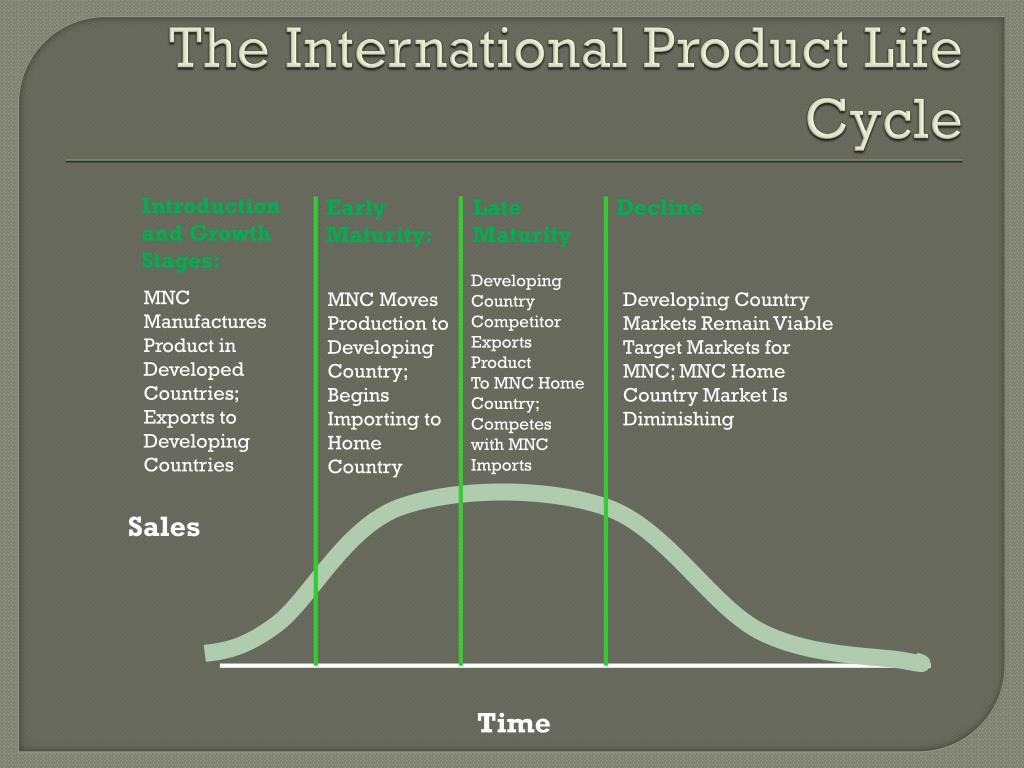
Stage 4: Decline – Focus on Cost, Not Innovation. Eventually, the product becomes outdated or replaced by newer technology. Production continues in developing countries to serve niche markets or less affluent consumers. The original innovator may move on to developing newer, more innovative products, starting the cycle all over again. Think about typewriters, or even some older models of smartphones.
What are the benefits of understanding this theory? Firstly, it helps businesses strategize their production and marketing. They can anticipate when production might need to shift overseas or when to invest in new innovations to stay ahead. Secondly, it helps governments understand trade patterns and formulate policies to support their industries. Finally, it gives us, as consumers, a better appreciation for the dynamic and interconnected nature of the global economy. So, the next time you see a "Made in..." label, remember the International Trade Product Life Cycle Theory and the fascinating journey that product has taken!