
Installing A Transfer Switch For A Generator

Okay, picture this: it's the dead of winter, the wind is howling like a banshee, and the power goes out. Not just a flicker, a full-blown, everything-goes-dark blackout. Last year, that was me. Huddled under blankets, cursing the fact that I hadn't even considered buying a generator, let alone installing a transfer switch. I was basically living in a very chilly, pre-electricity era. Learn from my mistakes, people! This is why you need a transfer switch. Seriously.
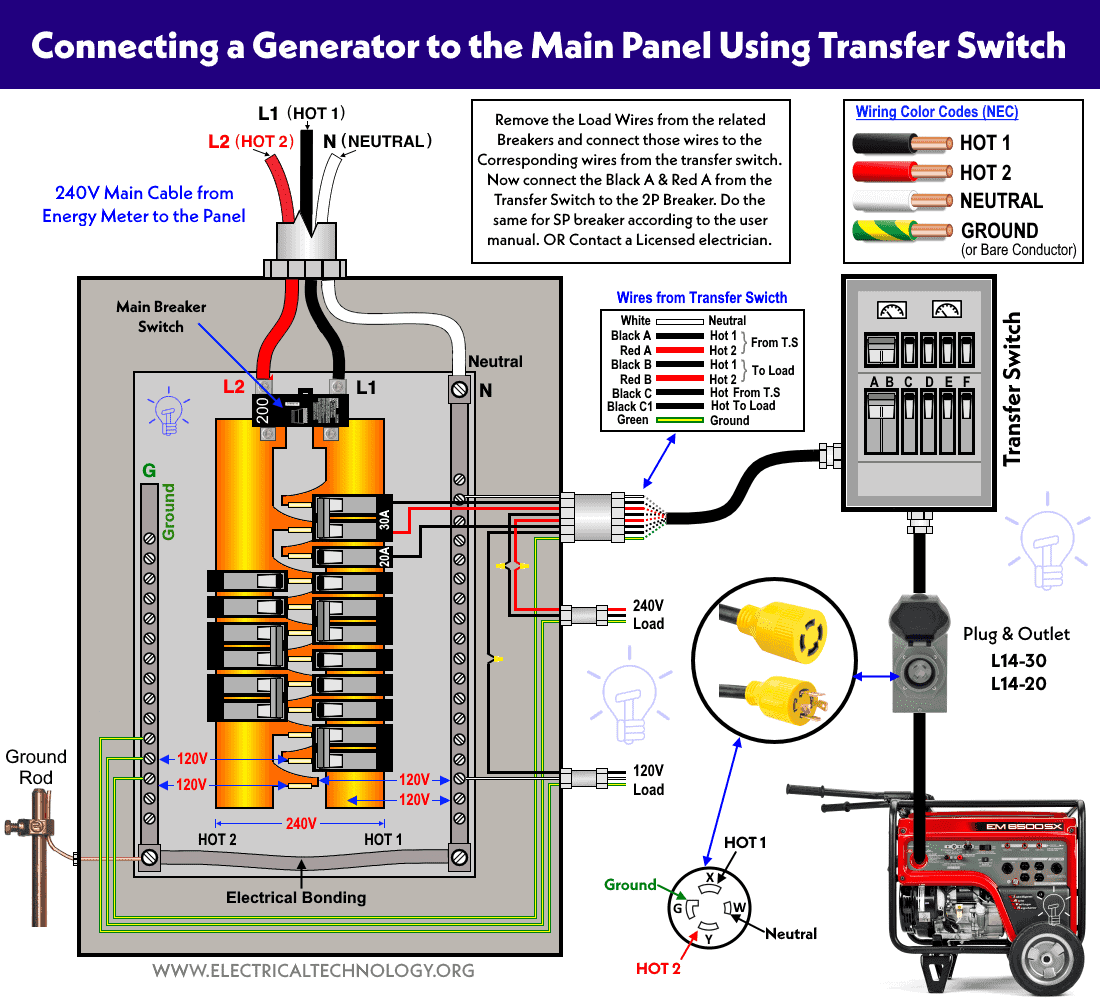
So, what's a transfer switch, and why should you care? Think of it as the brain of your generator setup. It's that critical piece of equipment that safely connects your portable generator to your home's electrical system. Instead of running extension cords everywhere – a safety hazard, by the way – you can power essential circuits in your house directly through your breaker panel. Way slicker, right?
Why not just plug the generator straight into the wall? Please, for the love of all things electrical, don't do that! That's called backfeeding, and it's incredibly dangerous. You could electrocute a utility worker trying to restore power. You could fry your appliances. You could even burn your house down. A transfer switch prevents all of that nastiness.
Must Read
Is it a DIY Project? Maybe...
Alright, now for the big question: can you install a transfer switch yourself? The short answer is: it depends. Are you comfortable working with electrical wiring? Do you know the difference between a neutral and a ground? (If you're not sure, stop right there and call an electrician.) Are you comfortable with all the tools needed? It may be less expensive to hire an electrician. Just something to keep in mind.
If you're electrically savvy and comfortable working with your home's electrical system, then, with proper planning and caution, it can be a DIY project. But safety first. Always turn off the main breaker before starting any electrical work. And double, triple, quadruple check your wiring before you turn the power back on.

Choosing the Right Transfer Switch
There are two main types of transfer switches: manual and automatic.
Manual Transfer Switches: These are the more affordable option. When the power goes out, you physically switch over the circuits you want to power from the utility grid to the generator. It requires you to be home and manually flip the switch, of course. It's a bit more involved, but it's also a great way to save some cash. Plus, you get that satisfying "I'm in control!" feeling.
Automatic Transfer Switches (ATS): These are the luxury models. When the power goes out, the ATS automatically detects the outage and starts your generator (if it has an auto-start feature) and switches your chosen circuits over. No manual intervention required! It's basically magic. Of course, magic comes at a price. These are considerably more expensive. But for those who want seamless, hands-free backup power, it's worth the investment. Imagine being away from home and not having to worry about your fridge thawing out. Pure bliss!
The Installation Process (A Simplified Overview)
Okay, I'm not going to walk you through the entire installation process step-by-step here. That's a job for a qualified electrician or the transfer switch's instruction manual (read it carefully!). But here's a simplified overview of what's typically involved:
- Turn off the main breaker: This is non-negotiable.
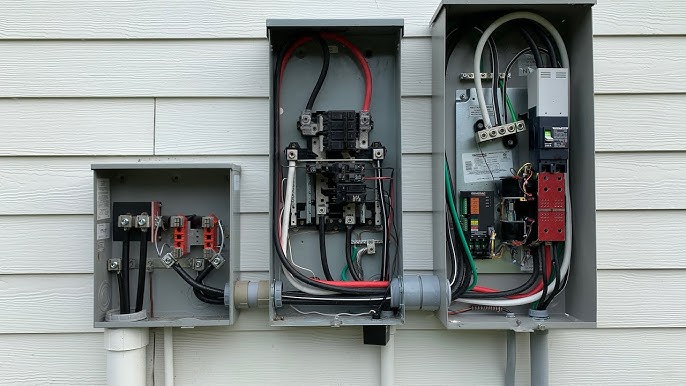
- Mount the transfer switch: Usually near your main breaker panel.
- Wire the transfer switch to the breaker panel: This is where you'll be connecting the circuits you want to power with the generator. Again, follow the instructions carefully!
- Connect the generator inlet box: This is where you'll plug your generator into the transfer switch. It's usually mounted outside your house.
- Test the system: After you've double-checked all your wiring, you can turn the main breaker back on and test the system to make sure everything is working correctly.
Don't rush. Take your time. Get help if you need it. The peace of mind that comes with knowing you have backup power is worth the effort. Trust me, that feeling of not being stuck in the dark while the wind howls outside? Priceless.
Now, go forth and conquer those power outages! And maybe stock up on some hot chocolate while you're at it.
