
Install Level 3 Charger At Home

Ever wondered about the future of charging your electric vehicle? We all know the convenience of plugging in at home, but what if 'convenience' also meant 'lightning fast'? We're often familiar with Level 1 (your standard wall outlet) and Level 2 (a dedicated 240V charger), but there's a fascinating, albeit rarer, beast known as the Level 3 charger. While typically found in public spaces, the idea of having one at home sparks incredible curiosity. It's like having your own personal, super-speed pit stop right in your garage, and it’s a peek into the cutting edge of EV ownership that many are just beginning to explore.
So, what exactly is a Level 3 charger, and why would you want one at home? At its core, a Level 3 charger, or DC Fast Charger, bypasses your car's onboard charger and feeds direct current (DC) power straight into the battery. This is a game-changer because it allows for incredibly rapid charging speeds – we're talking about adding hundreds of miles of range in minutes, not hours. The primary benefit is unparalleled speed and convenience. Imagine forgetting to plug in overnight and needing a full battery for an early morning road trip. With a Level 3, a quick 20-30 minute top-up could be all you need. It essentially eradicates range anxiety and gives you absolute control over your charging schedule, making spontaneous trips or multi-EV households a breeze. It’s about maximizing your time and freeing yourself from reliance on public charging stations for your daily energy needs.
In daily life, a home Level 3 charger could transform how you interact with your EV. For busy professionals, it means plugging in during dinner and waking up to a full tank, rather than waiting overnight. Families with multiple EVs can rotate cars on the charger quickly, ensuring everyone's ride is ready when needed. It’s also a fantastic way to future-proof your home, as EV battery capacities continue to grow. Beyond pure utility, exploring Level 3 charging at home opens up a window into understanding advanced electrical infrastructure. It makes you think about the incredible power requirements, how AC power is converted to DC, and the exciting possibilities of managing energy not just for your home, but also for your vehicle as a power storage unit. It connects you to the evolving world of smart grids and sustainable energy solutions, making it an educational journey in itself.
Must Read
Now for the practical side. While the idea of a home Level 3 charger is exhilarating, it's important to understand that true residential DC fast charging (like the public chargers) is still relatively rare and involves significant considerations. Many home installations marketed as 'Level 3 capable' are often referring to very high-amperage Level 2 chargers that deliver excellent speed but are still AC. A true residential DC fast charger typically requires a substantial investment, specialized equipment, and a robust electrical service upgrade, potentially even 480-volt commercial power in some cases – far beyond a standard residential setup. If you're curious, start by doing your homework: research the differences between AC and DC charging. Then, consult with several licensed electricians who specialize in EV installations. They can assess your home's electrical panel capacity and give you a realistic picture of what's possible and the associated costs. Don't forget to investigate local utility incentives, as these can sometimes help offset the investment. For most homeowners looking for the fastest practical solution today, maximizing your Level 2 charging capability with a high-amperage unit (e.g., 80 amps) is often the sweet spot, providing excellent speed without the extreme complexity and cost of true residential DC fast charging. But hey, it's fun to dream big and know what's on the horizon!
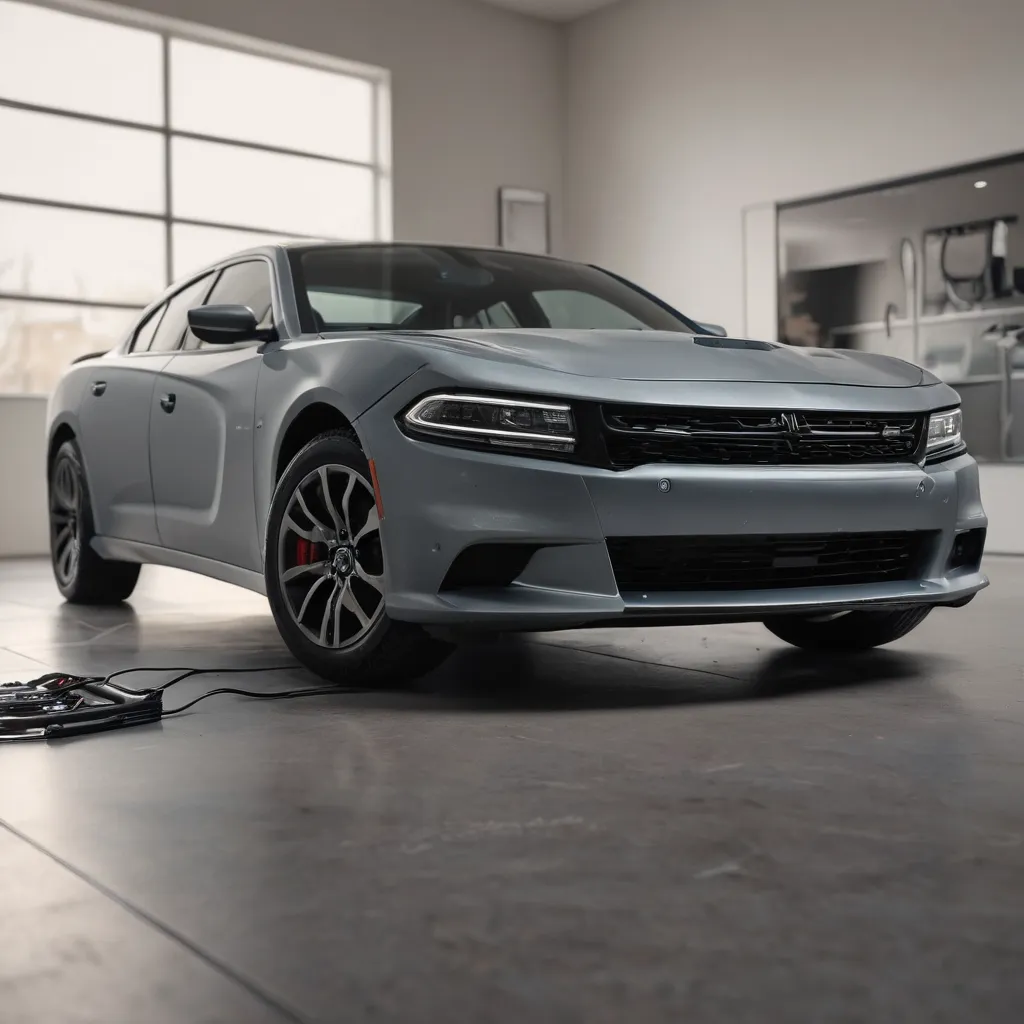

![Best Level 3 Charging Station Installation in Fremont [Low Cost]](https://www.adeptelectricalsolutions.com/wp-content/uploads/2025/03/level-3-charging-station-installation-cost.webp)
