
Install A Car Charger At Home
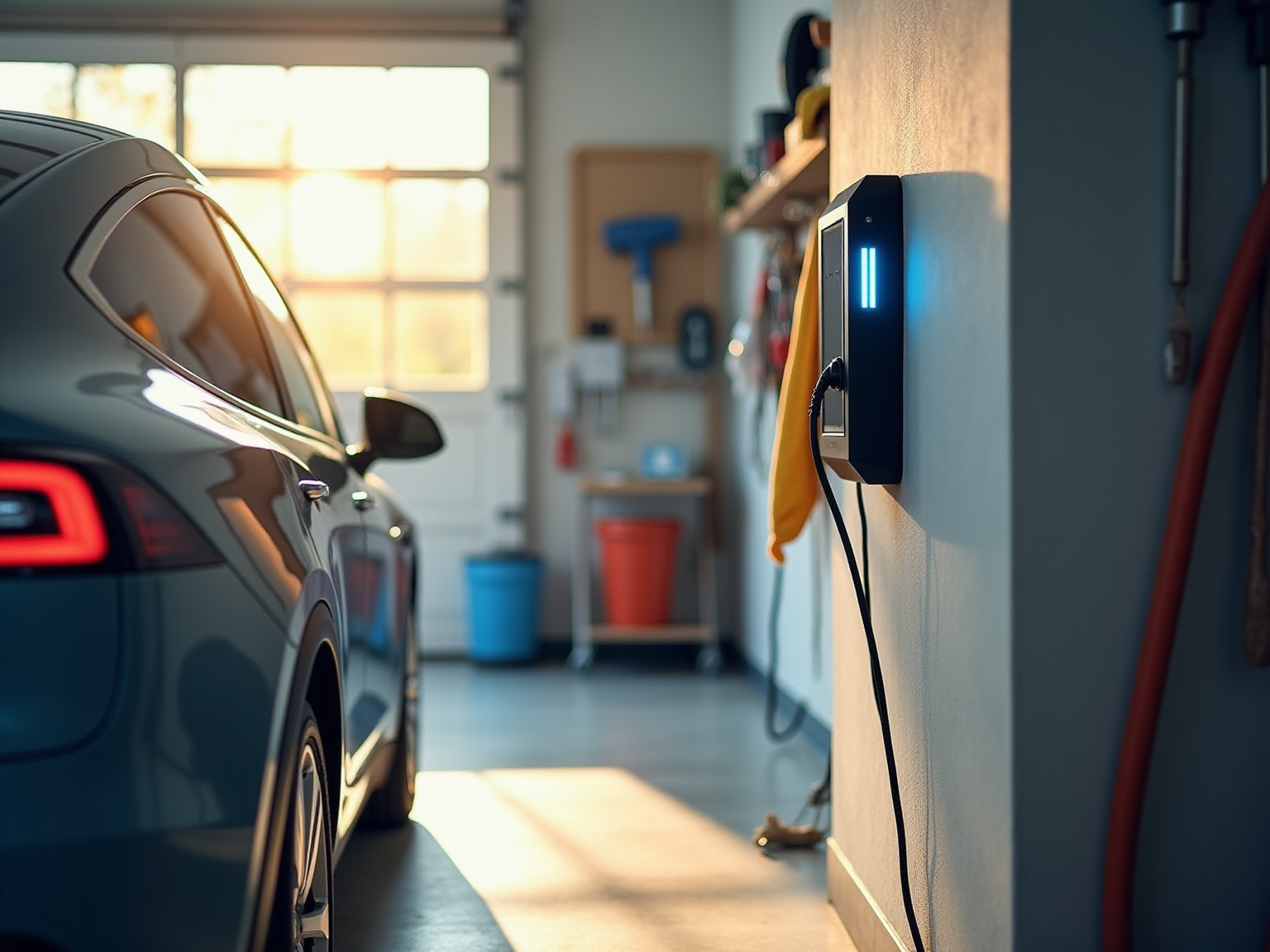
Ah, the electric vehicle life! It’s sleek, it’s quiet, it’s undeniably modern. You've embraced the future on wheels, zipping past petrol stations with a smug, eco-conscious grin. But let's be real, the true game-changer, the real taste of EV nirvana, comes when you can simply plug in at home. Imagine waking up to a "full tank" every single morning, without a detour or a moment lost. It’s like magic, but it’s actually just smart living.
Gone are the days of range anxiety dominating your thoughts. With a home charger, your personal EV power station is always ready, right where you park. It’s the ultimate convenience, transforming your garage or driveway into a futuristic refueling hub. Think of it: no more queuing up at public chargers, no more hunting for available spots, and definitely no more fumbling with credit cards in the rain. Just blissful, effortless charging.
Why Home Charging is Your New Best Friend
Installing a car charger at home isn't just about convenience; it's about reclaiming your time. Public chargers are great for road trips, but for daily top-ups, nothing beats your own sanctuary. It’s like comparing a fancy restaurant meal to your cozy kitchen – both have their place, but one is for everyday comfort. Plus, charging overnight often lets you tap into off-peak electricity rates, saving you a tidy sum in the long run. Who doesn't love a good discount?
Must Read
Understanding the Juice: Charger Types
Before diving in, let's quickly demystify the types of chargers you might encounter for home use:
Level 1 Charging: The Slow Cooker
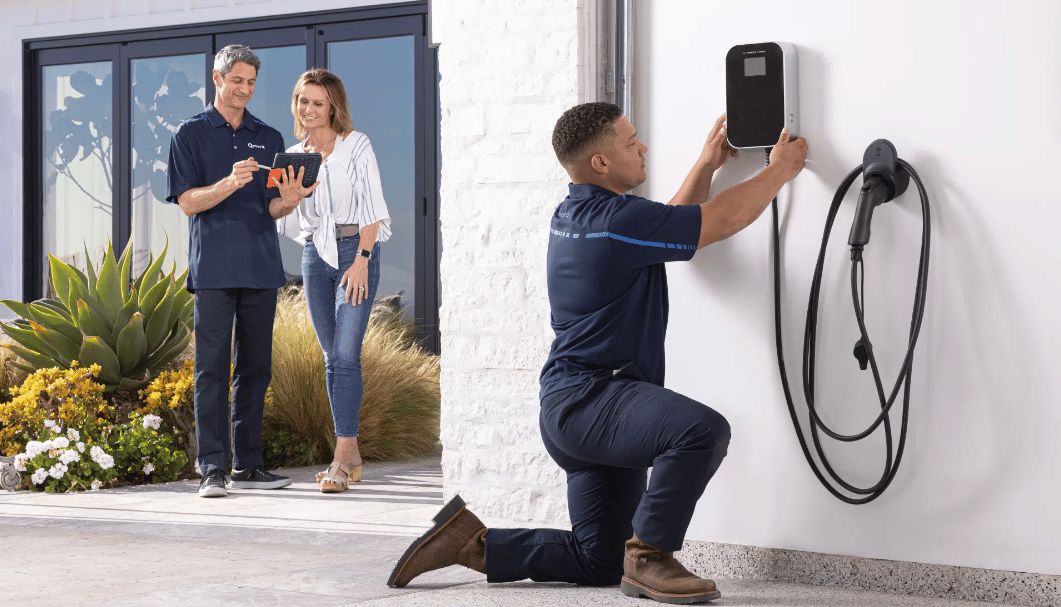
This is your standard 120-volt outlet – the same one you plug your toaster into. It’s super easy, requires no special installation, and simply involves using the charging cable that came with your car. The catch? It’s slow. Think of it like a slow cooker for your car battery; it gets the job done eventually, but it takes its sweet time, often adding only 2-5 miles of range per hour. Great for topping up if you barely drive, but not ideal for daily heavy use.
Level 2 Charging: The Workhorse
This is the real MVP for most EV owners. Level 2 chargers use a 240-volt outlet, similar to what your electric dryer or oven uses. They deliver significantly more power, typically adding 20-30 miles of range per hour. This means you can usually charge your car fully overnight, even if it’s quite depleted. This is the charger you'll want for maximum everyday practicality and efficiency. It’s the Goldilocks option – just right.

Level 3 Charging (DC Fast Charging): For the Road, Not Your Home
While incredibly fast, Level 3 chargers are typically found at public charging stations along highways. They require immense power and are not designed for residential installation. So, let’s focus on Level 1 and especially Level 2 for your home setup.

The Installation Journey: Easier Than You Think
Getting a Level 2 charger installed might sound daunting, but it's a straightforward process when handled correctly. Here’s the simplified roadmap:
1. Assess Your Electrical Panel: The first step is to check if your home’s electrical panel (your circuit breaker box) has enough capacity to handle the extra load of a Level 2 charger. An electrician can tell you if you have enough spare amperage and breaker space. Sometimes, a panel upgrade might be needed, but often, it's not.
2. Choose Your EVSE: "EVSE" (Electric Vehicle Supply Equipment) is the fancy term for your home charging unit. There are many brands and models out there. Consider factors like charging speed (often rated in amps), cable length, smart features (like Wi-Fi connectivity and app control), and whether it's weatherproof if you're installing it outdoors.
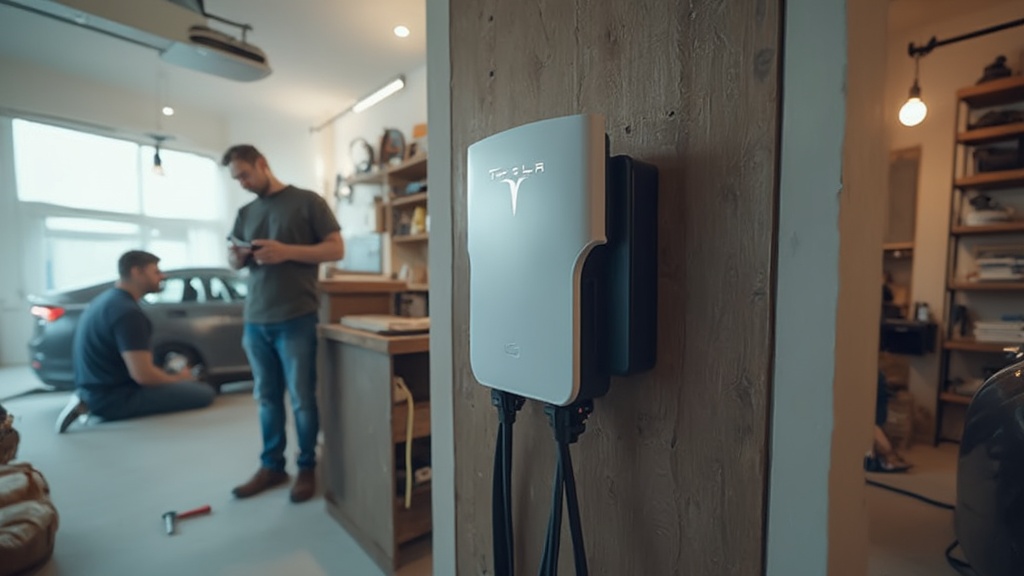
3. Find a Pro Electrician: This is the most crucial step. Unless you are a certified electrician yourself, do not attempt a DIY installation for a Level 2 charger. Working with high voltage is dangerous and requires expertise to ensure safety and compliance with local codes. A licensed, insured electrician specializing in EV charger installations will ensure everything is done correctly and safely. Ask for references, check reviews, and get multiple quotes.
4. Permits and Inspections: Depending on where you live, you might need to obtain a permit for electrical work. Your chosen electrician will usually handle this process and ensure the installation passes any required inspections. It’s all about keeping things safe and up to code, like building regulations for your dream kitchen.
Sweet Perks and Savvy Tips
- Smart Charging: Many modern Level 2 chargers come with smart features. Connect them to your home Wi-Fi and use an app to schedule charging during off-peak hours, monitor your energy consumption, and even integrate with smart home systems. It's like having a personal energy butler!
- Government Incentives: Don't forget to check if your local, state, or federal government offers any rebates or tax credits for EV charger installations. Many regions are keen to encourage EV adoption and offer financial perks that can significantly offset the installation cost.
- Future-Proofing: Consider a charger with a slightly higher amperage than your current EV might strictly need. This gives you flexibility if you upgrade to an EV with faster charging capabilities down the road.
A Little Reflection
Installing a car charger at home isn't just about a gadget; it’s about embracing a lifestyle of ease and efficiency. It’s about more than just electricity; it’s about empowerment and convenience. Imagine the mental freedom of knowing your car is always ready, always charged, always waiting. It’s akin to having a personal chef for your car, ensuring it's fueled up for whatever adventures lie ahead. You’re not just installing a charger; you’re investing in peace of mind, saving precious minutes, and doing your bit for a greener tomorrow, all from the comfort of your own garage. Now, that's what we call smart living.