Incandescent Light Bulb Vs Compact Fluorescent

Ever wondered why some light bulbs give off a warm, cozy glow while others feel a bit…clinical? Or maybe you’ve noticed some bulbs seem to last forever while others burn out after just a few months? We’re diving into the illuminating world of light bulbs, specifically comparing two classic contenders: the incandescent bulb and the compact fluorescent (CFL). It’s more than just knowing which one to screw into your lamp; it’s about understanding energy efficiency, cost savings, and even the subtle impact light has on our mood and environment. Think of it as becoming a light bulb sommelier – able to discern the nuances of illumination!
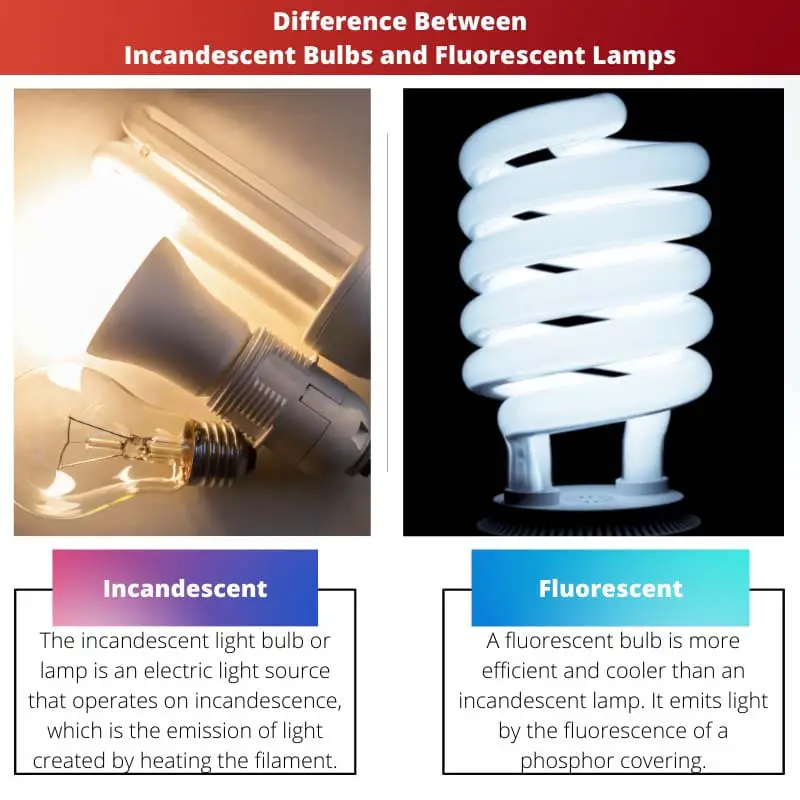
Let's start with the incandescent bulb, a true vintage icon. Its purpose is beautifully simple: to produce light by heating a filament until it glows. Think of it like a tiny, controlled fire inside a glass bubble. The benefit? A warm, inviting light that renders colors beautifully. It's the kind of light that makes a room feel cozy and inviting, perfect for creating a relaxed atmosphere. They are also very easy to dim, which adds to their versatility.
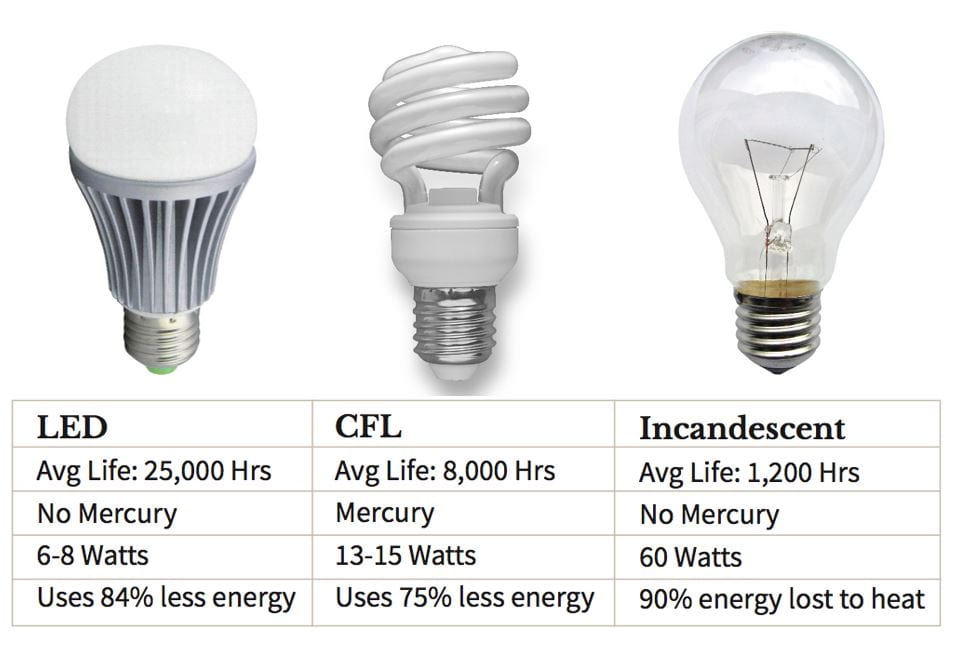
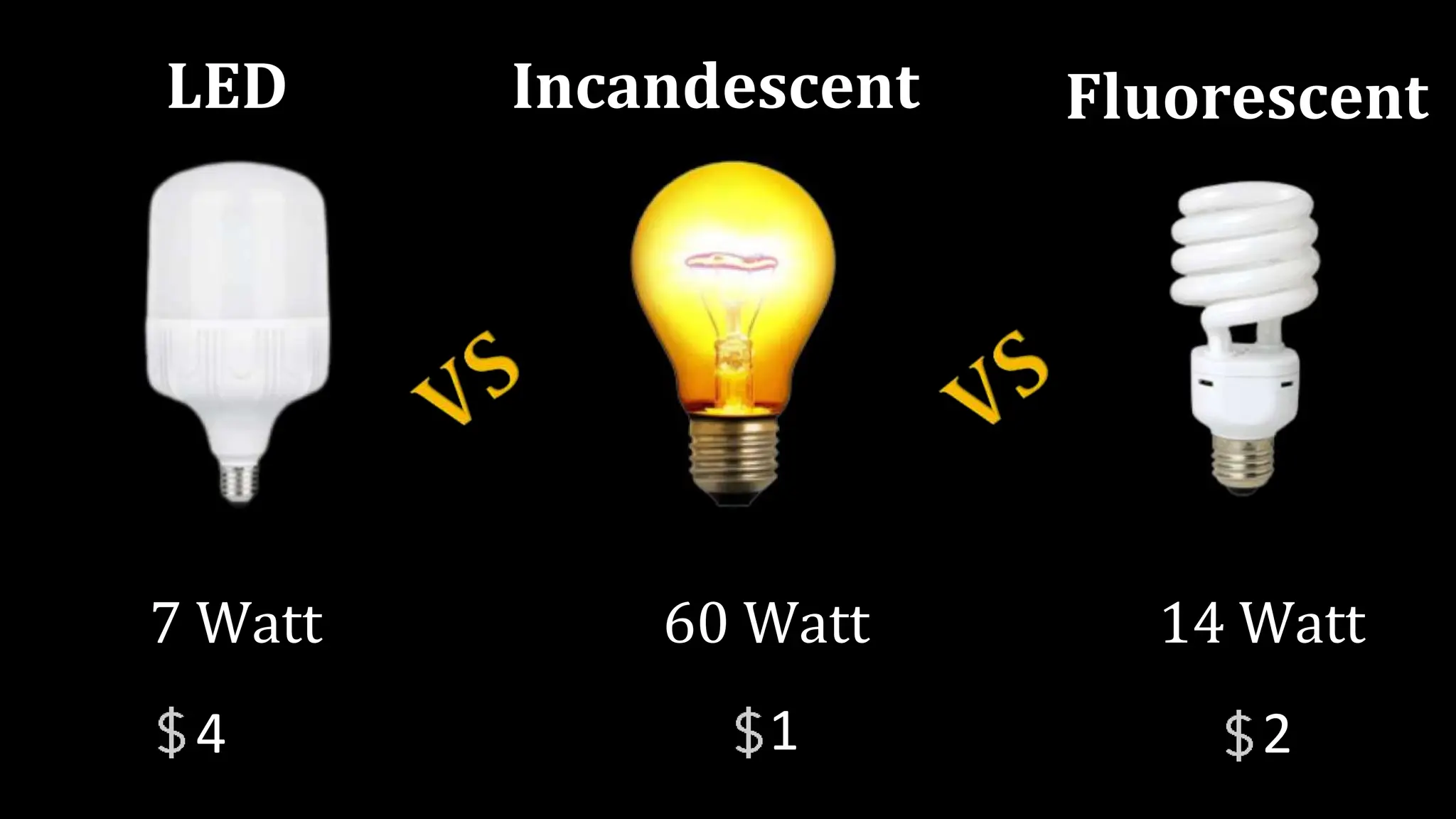
Now, let’s shine a light on the compact fluorescent (CFL) bulb. These curly, often twisting bulbs operate on a different principle. They contain gas that emits ultraviolet (UV) light when electricity passes through it. This UV light then excites a phosphor coating on the inside of the bulb, which in turn emits visible light. The key benefit here is energy efficiency. CFLs use significantly less energy than incandescent bulbs to produce the same amount of light, meaning lower electricity bills and a smaller carbon footprint. They also last much longer, reducing the frequency (and cost) of replacements.
Must Read
In our daily lives, incandescent bulbs have historically been used everywhere: from bedside lamps and chandeliers in homes to stage lighting in theaters. Their warm glow is often preferred in spaces where a relaxed and inviting ambiance is desired. Think restaurants, living rooms, and even some retail stores. CFLs, on the other hand, became popular in offices, schools, and other settings where bright, efficient lighting is crucial. Many classrooms adopted CFLs to reduce energy consumption and create a well-lit learning environment. You'll also commonly find them in kitchens and bathrooms where consistent, bright light is needed.
So, how can you explore this further? A simple experiment: replace an incandescent bulb in a desk lamp with a CFL. Notice the difference in the color and intensity of the light. Also, take a look at the wattage listed on both bulbs. You'll likely see that the CFL uses considerably fewer watts to produce a similar level of brightness. Another fun activity is to research the lifespan of each type of bulb. You'll find that CFLs typically last many times longer than incandescent bulbs. Finally, consider the environmental impact. Incandescent bulbs are notoriously inefficient, converting most of their energy into heat rather than light. CFLs are more efficient, but they do contain a small amount of mercury, so proper disposal is crucial. Look up recycling programs in your area.
Ultimately, the choice between incandescent and CFL bulbs depends on your individual needs and priorities. Do you prioritize a warm, inviting light and easy dimming, or are you more concerned with energy efficiency and longevity? By understanding the pros and cons of each, you can make informed choices that brighten your life and lighten your environmental footprint.