In An Electrical Circuit The Term Current Refers To
Ever wondered what really makes your phone charge, your lights turn on, or your toaster toast? It's all thanks to the magical world of electricity! And at the heart of that world lies something called current. Now, before you glaze over thinking this is dry science stuff, trust me, understanding current is like unlocking a secret code to how your entire modern world works. Think of it as the lifeblood of all your gadgets – without it, they're just pretty, expensive bricks!
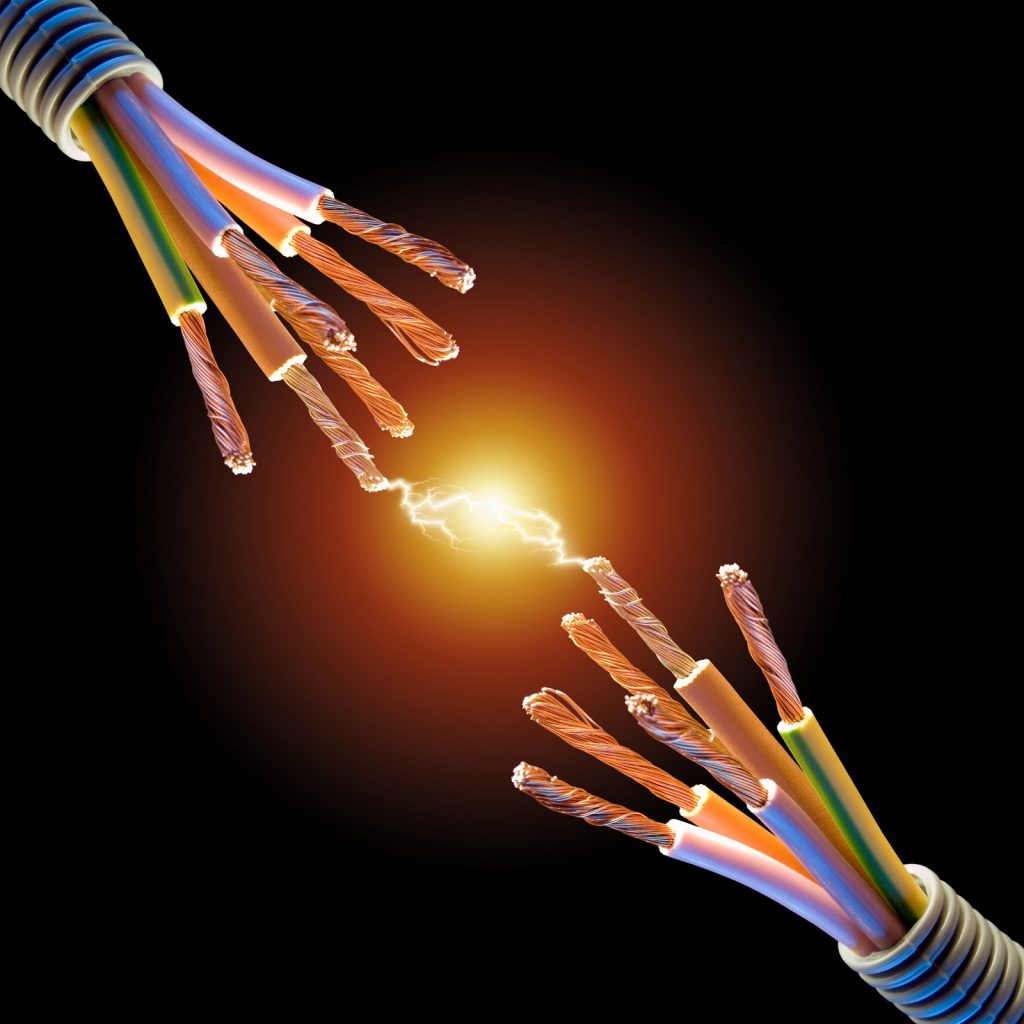
So, what exactly is current in an electrical circuit? Well, imagine a water pipe. Voltage is like the water pressure pushing through the pipe, and current is like the amount of water actually flowing. In technical terms, current is the rate of flow of electric charge. These electric charges are typically electrons, teeny tiny particles zipping through a conductive material like copper wire. The more electrons that whiz by a point in a circuit per second, the higher the current. We measure current in amperes, often shortened to amps (A). Think of a small appliance like a phone charger using a fraction of an amp, while a powerful appliance like an oven might draw several amps.
Why is understanding current so important? Because it directly relates to the purpose and benefits of any electrical circuit. Circuits are designed to deliver power, which is the rate at which energy is transferred. And power (measured in watts) is directly related to both voltage and current! Increase the current, and you increase the power delivered. This means more light from a bulb, more heat from a heating element, or more computing power from your computer.
Must Read
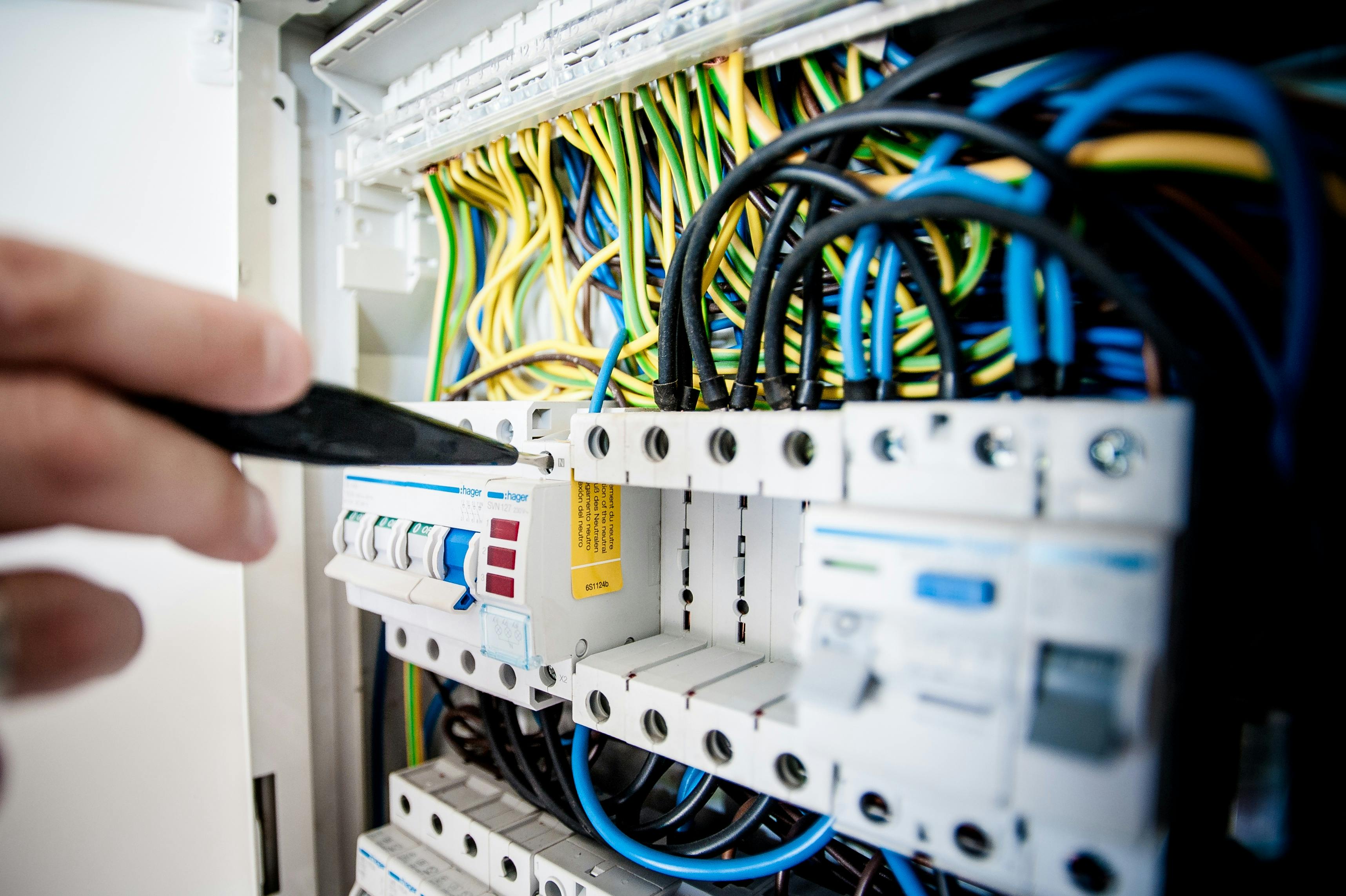
But here's the catch: too much current can be a bad thing. Think of our water pipe analogy again. Too much pressure, and the pipe bursts! Similarly, too much current in a wire can cause it to overheat and potentially start a fire. That's why we have fuses and circuit breakers. These are safety devices designed to interrupt the flow of current if it exceeds a safe level, preventing damage to your appliances and, more importantly, protecting you and your home. Think of them as the emergency shut-off valve on your metaphorical water pipe.

Understanding the relationship between voltage, current, and resistance (which is like the width of the water pipe – it restricts the flow) is crucial for anyone working with electronics or even just trying to understand how their devices work. It allows you to troubleshoot problems, like why a device isn't turning on (perhaps there's not enough current flowing). It also helps you understand energy consumption and make informed decisions about which appliances to use to save energy.
So, the next time you flip a switch or plug in your phone, remember the incredible flow of electrons – the electric current – that's making it all happen. It’s a fundamental force shaping our modern lives, and hopefully, you now have a slightly better understanding of its important role. It’s not just boring physics; it’s the power that keeps the lights on!