
In A Service Type Business Revenue Is Recognized
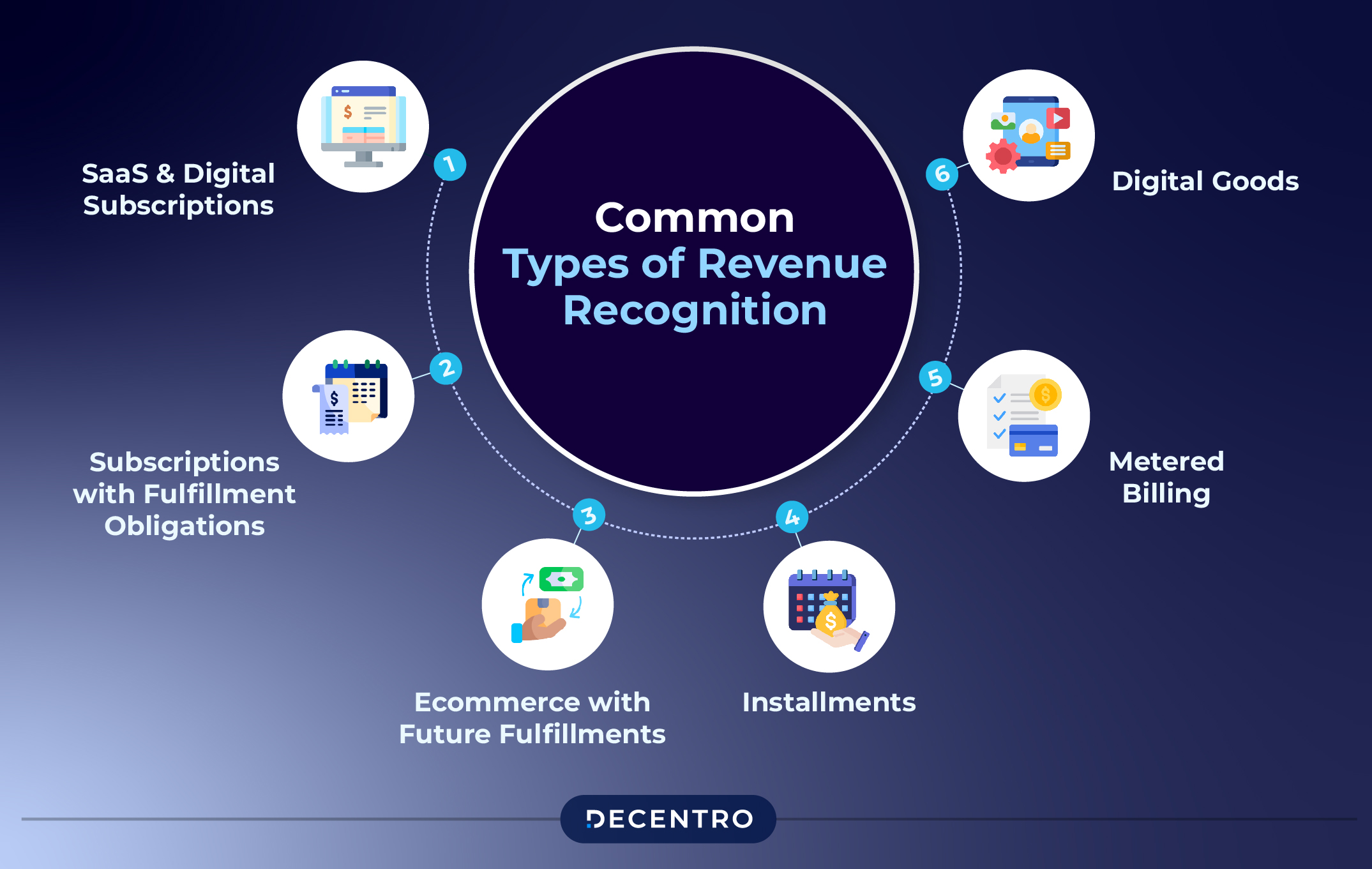
Okay, let's talk about something that sounds super boring but is actually kinda fascinating (in a numbers-y, adulting kind of way): revenue recognition in service businesses. Don't run away! Think of it like this… Have you ever ordered a pizza?
See, even accounting can be relatable with pizza. Revenue recognition is basically just figuring out when you get to say you officially earned the money you’re charging for your awesome service. It's like knowing exactly when you deserve that tip after carrying that extra-large, all-the-toppings pizza to a grumpy customer.
The "Delivered Pizza" Principle
In a service business, revenue recognition isn't always as simple as just getting the money. It’s about earning the money. Let's say you own a dog-walking business (because who wouldn't want to get paid to hang out with fluffy friends?). You sign a client up for a month of daily walks.
Must Read
You get paid upfront, awesome! But you can't just high-five yourself and claim all that cash as earned revenue on day one. Why? Because you haven't actually walked the dogs yet. You haven't provided the service. It's like getting paid for that pizza before you've even taken it out of the oven.
Instead, you recognize a little bit of the revenue each day as you complete each walk. You're slowly but surely fulfilling your end of the deal. That's the core of revenue recognition in service businesses: you recognize the revenue as you provide the service, not just when the cash lands in your bank account.
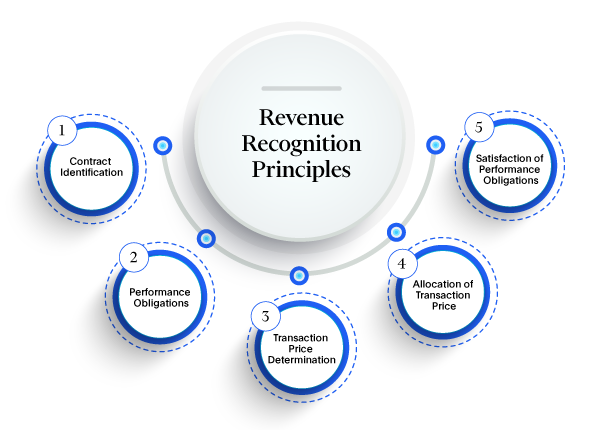
Think of it like this: each dog walk is a mini pizza delivery. Only after the successful walk (and maybe a happy tail wag) can you recognize the revenue from that particular service.
Escaping the "Service Abyss"
What if, mid-month, little Fido decides he hates walks and your client cancels? Suddenly, that upfront payment looks a bit different, right? You haven't earned all of it. This is where things get interesting.

You'd need to refund the portion of the payment that covers the remaining, un-walked days. You only get to recognize the revenue for the walks you actually provided. It’s a lesson about fairness and accurately reflecting the value exchanged.
The key takeaway? In a service business, revenue recognition is tied directly to service delivery. It’s not just about the money changing hands, it’s about actually doing the thing you promised to do.
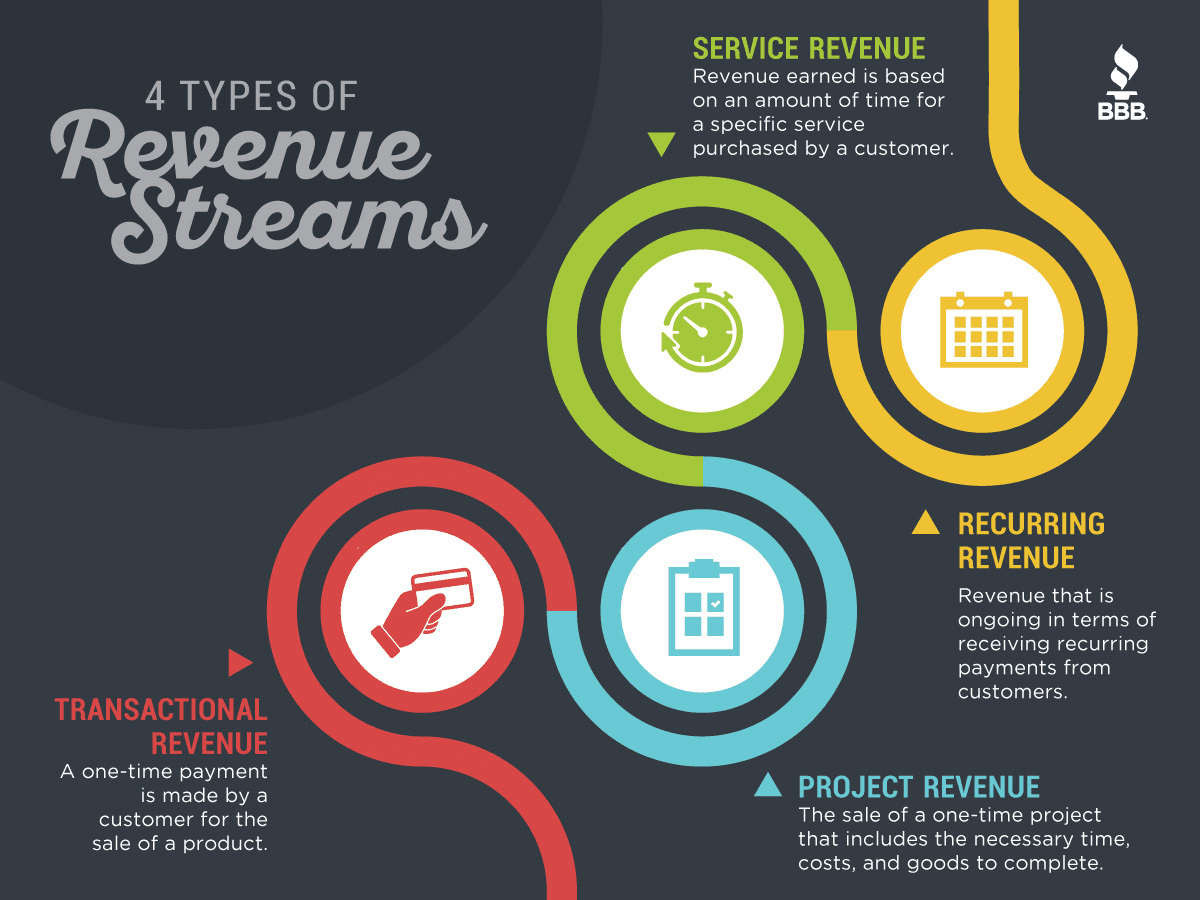
Why All The Fuss?
Now, you might be wondering, "Why does all this matter?" Well, for starters, it’s about presenting an accurate financial picture. Imagine a company claiming all their revenue upfront, even though they haven't provided the services yet. That’s misleading! It makes them look way more profitable than they actually are.
It's like telling everyone you're a millionaire when all you have is a bunch of IOUs. Eventually, people will catch on.

Accurate revenue recognition helps investors, lenders, and even you, the business owner, understand the true health of the business. It gives a clear picture of sustainable earnings and growth.
So, next time you're getting your hair done, your car repaired, or taking a yoga class, remember the principle of revenue recognition. The business providing the service isn’t really earning that money until they’ve delivered on their promise. And just like a perfectly delivered pizza, a job well done is always worth the wait.
And now you know, revenue recognition in service-based businesses, broken down with enough pizza analogies to make you hungry. You're welcome.