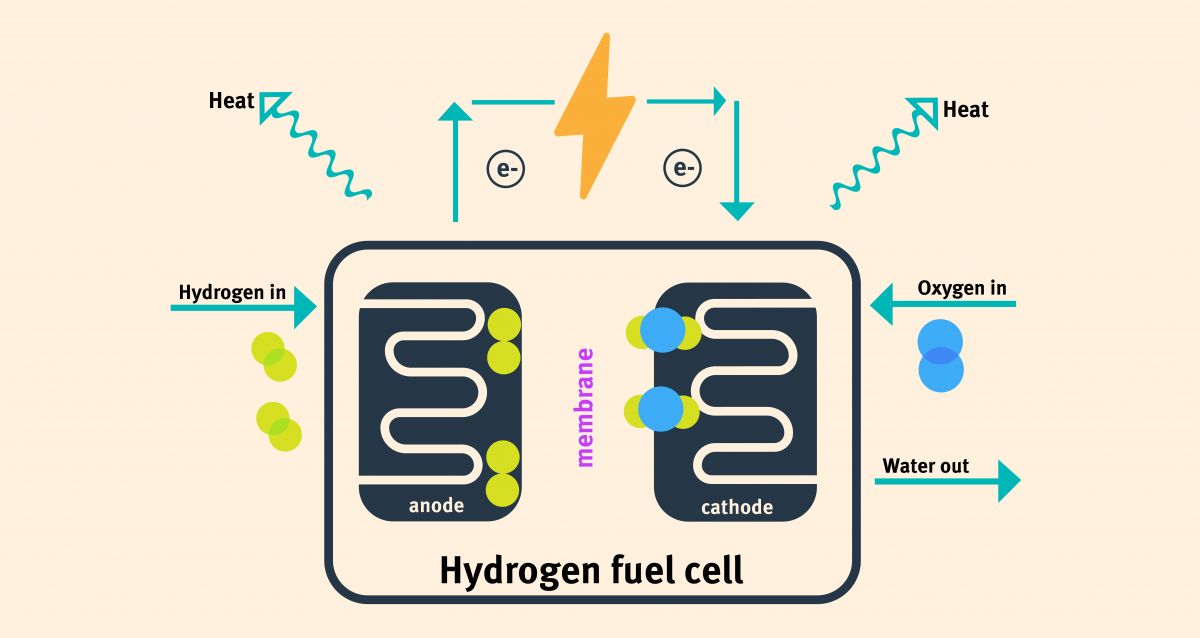
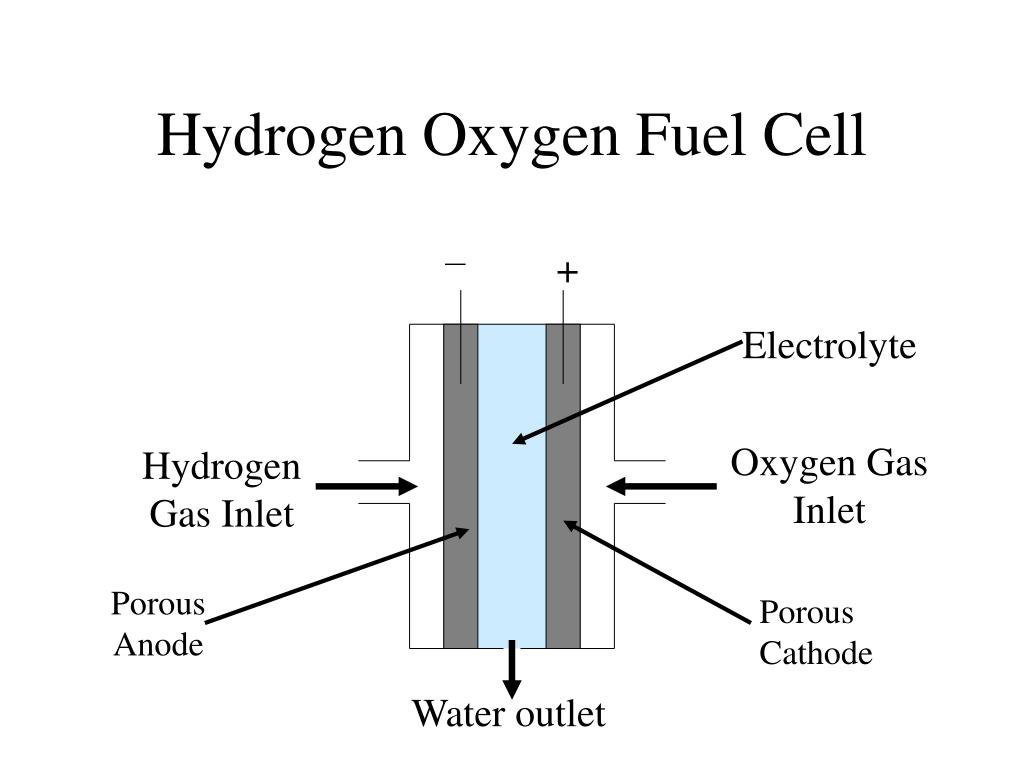
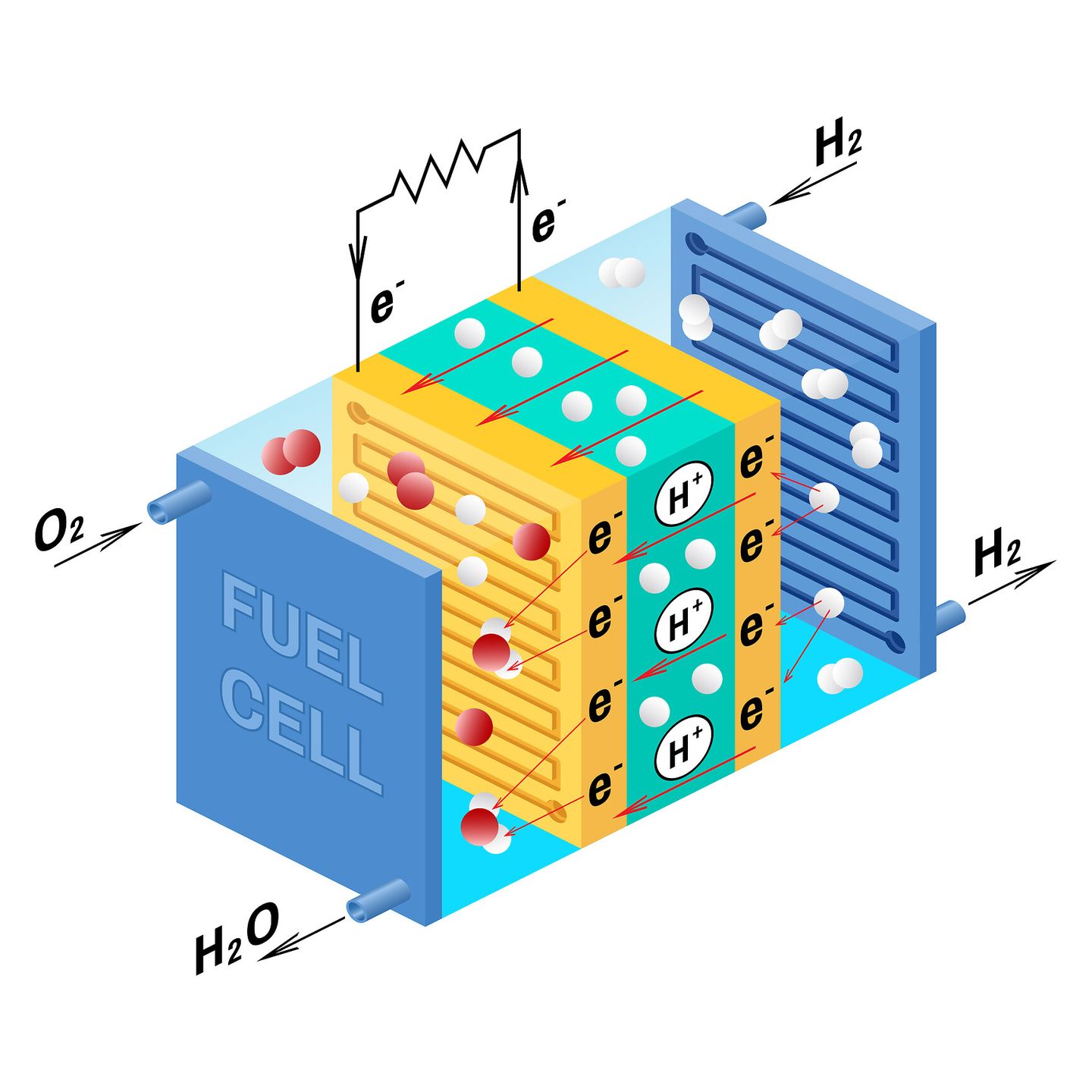
In A Hydrogen Fuel Cell Hydrogen Gas And Oxygen

Hydrogen fuel cells! Sounds like something straight out of a sci-fi movie, right? Well, they're not just futuristic fantasy anymore. While you might not be building a spaceship in your garage (yet!), understanding the basic principle behind how these cells work – specifically, the reaction between hydrogen gas and oxygen – can unlock a fascinating new perspective on energy and inspire some surprisingly creative endeavors.
Forget dusty textbooks and complicated equations. Think of hydrogen fuel cells as tiny, incredibly efficient artists. They take two readily available ingredients – hydrogen and oxygen – and combine them to create something amazing: electricity, with water as the only byproduct. For the hobbyist, casual learner, or even the artistically inclined, this concept opens up a world of possibilities.
Imagine designing a miniature, self-powered lighting system for your model railroad using a small fuel cell. Or perhaps creating a captivating science demonstration that visually illustrates clean energy production for a school project. Artists could even incorporate the principles into kinetic sculptures, where the movement is powered by a micro-fuel cell, symbolizing a sustainable future. The possibilities are truly endless! You could even explore variations by investigating different catalysts that speed up the reaction, or delve into the intricacies of membrane technology used to separate hydrogen ions.
Must Read
Now, before you rush out to build a full-scale power plant in your basement, let's be clear: working directly with hydrogen gas requires precautions and specialized equipment. However, you can still grasp the fundamental principles through safe and accessible experiments. There are numerous educational kits available online that demonstrate the hydrogen-oxygen reaction in a controlled environment. These kits often use electrolysis to separate water into hydrogen and oxygen, then recombine them in a fuel cell to generate a small amount of electricity, enough to power a tiny LED or motor. This allows you to witness the process firsthand and gain a deeper understanding of the science involved.
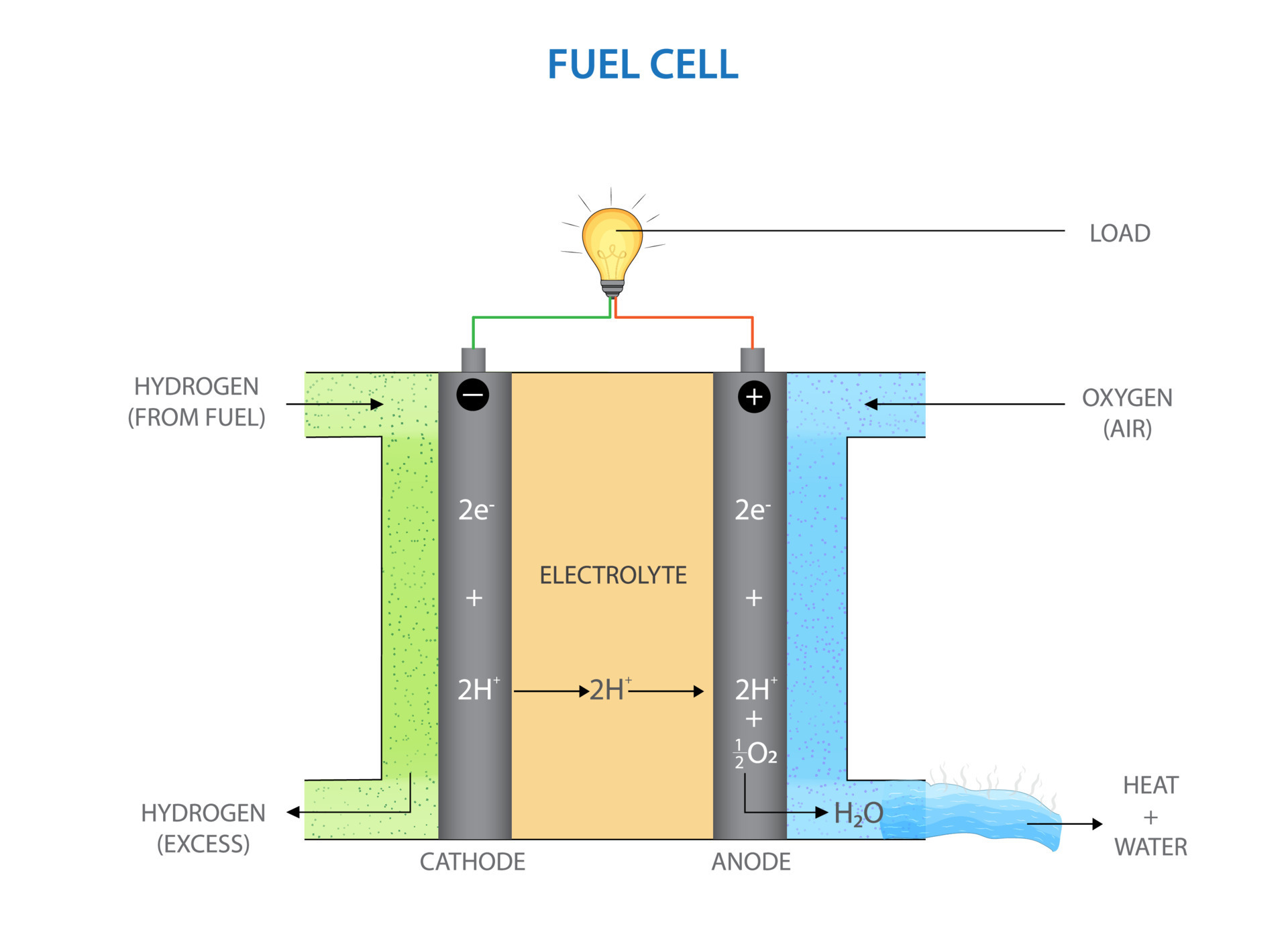
Here are a few tips for a rewarding learning experience:
- Start small: Begin with a commercially available educational kit. These kits are designed with safety in mind and provide all the necessary components and instructions.
- Read thoroughly: Carefully read and understand the instructions before beginning any experiment. Safety first!
- Document your progress: Keep a notebook to record your observations, experiments, and any challenges you encounter. This will help you learn and troubleshoot effectively.
- Ask questions: Don't be afraid to reach out to online communities or educational resources for help and clarification.
Ultimately, exploring the reaction of hydrogen gas and oxygen in a fuel cell is enjoyable because it connects us to the bigger picture. It's about understanding a fundamental scientific principle, contributing to a cleaner future, and unleashing your creativity through innovative applications. It’s not just about science; it’s about inspiration, innovation, and the satisfaction of witnessing the power of clean energy in action.