
If There Is Mold In My House
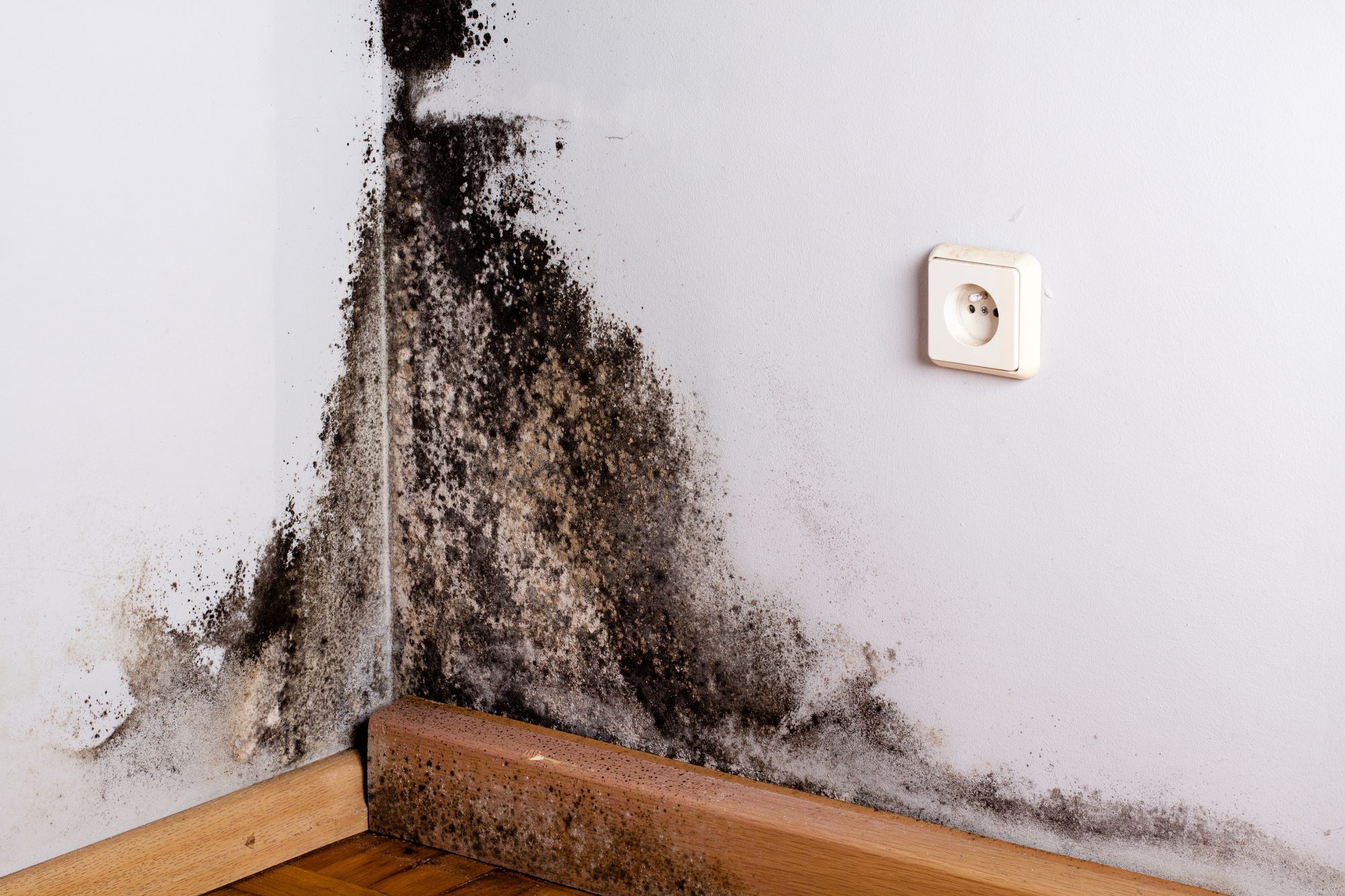
Okay, let's be real. Nobody wants to think about mold. It's right up there with root canals and tax audits on the list of universally dreaded things. But ignoring a potential mold situation in your home is like ignoring that weird rattle in your car – it's probably not going to fix itself, and it could get a whole lot worse (and more expensive!). Think of this article as your friendly neighborhood guide to navigating the potentially icky world of household mold.
Spotting the Unseen: Is That Really Mold?
So, how do you know if you're dealing with a genuine mold issue or just a case of overactive imagination? The first sign is often smell. Think musty, earthy, like damp socks that have been fermenting in a gym bag. If you catch a whiff of something like that, start investigating.
Visual cues are next. We're talking about spots that can range in color from white and green to black and even pink. Mold loves damp, dark places. Check these hotspots:
Must Read
- Bathrooms (shower grout, under sinks)
- Kitchens (around the sink, behind the fridge)
- Basements
- Areas with leaky pipes or roofs
- Window sills (condensation heaven!)
Remember that time in "Toy Story 2" when Al McWhiggin knocked over the display of Woody merchandise? Imagine those pristine Woody dolls slowly developing green spots if Al's shop had a leaky roof. Okay, maybe not exactly that, but you get the picture. Act fast!
DIY Detective: What To Do When You Suspect Mold
Alright, you've spotted something suspicious. Don't panic! First, identify the source of the moisture. Mold thrives on humidity. Is there a leaky pipe? A dripping faucet? A condensation problem? Fix the water issue first, or the mold will just keep coming back, like a persistent villain in a superhero movie.
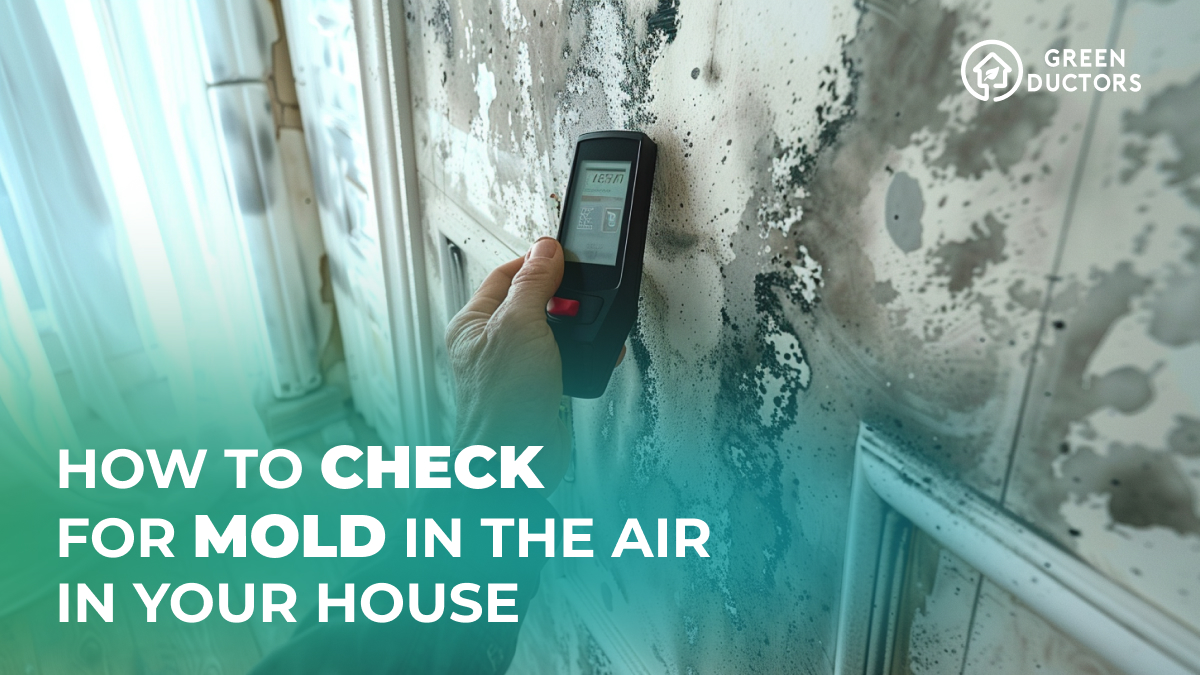
For small areas (under 10 square feet), you might be able to tackle the cleanup yourself. Here's the basic toolkit:
- Protective Gear: Gloves, mask (N-95 or better), eye protection. Safety first!
- Cleaning Solution: A mixture of bleach and water (1 cup bleach per gallon of water) or a commercial mold killer. Always test the solution in an inconspicuous area first.
- Scrub Brush and Sponges: Get ready to get your hands dirty (metaphorically, thanks to those gloves!).
- Dry Towels: To thoroughly dry the cleaned area.
Scrub, rinse, and dry thoroughly. Ventilate the area well. It's kind of like giving your problem area a spa day, but instead of aromatherapy, it's bleach.
Important Note: If the mold covers a large area, or if you're sensitive to mold, call a professional mold remediation company. Don't risk your health trying to save a few bucks. Think of it as investing in your long-term well-being.

When to Call in the Pros: Knowing Your Limits
Sometimes, DIY just isn't the answer. Here are a few scenarios where bringing in the experts is crucial:
- Large Scale Mold: More than 10 square feet is usually best left to professionals.
- HVAC Systems: Mold in your heating or cooling system can spread spores throughout your entire house. Definitely call a pro for this one.
- Health Concerns: If you or someone in your household has asthma, allergies, or other respiratory issues, professional removal is highly recommended.
- Unknown Source: If you can't find the source of the moisture, a professional can help track it down and fix it.
Professional mold remediation companies have specialized equipment and expertise to safely and effectively remove mold and prevent its return. They're like the Ghostbusters of the mold world, but instead of proton packs, they use HEPA filters and antimicrobial solutions.

Preventative Measures: Keeping Mold at Bay
The best way to deal with mold is to prevent it in the first place. Here are a few tips:
- Control Humidity: Use dehumidifiers in damp areas, especially basements.
- Ventilate: Ensure good ventilation in bathrooms and kitchens. Use exhaust fans when showering or cooking.
- Fix Leaks Promptly: Don't ignore dripping faucets or leaky pipes. A stitch in time saves nine... gallons of water, and a whole lot of mold.
- Clean Regularly: Regularly clean bathrooms and kitchens to prevent mold growth.
- Proper Insulation: Ensure adequate insulation to prevent condensation.
Think of it as tending a garden, but instead of nurturing flowers, you're keeping the mold at bay. It's an ongoing process, but it's worth it for a healthy and happy home.
A Final Thought
Dealing with mold can feel overwhelming, but remember that knowledge is power. By understanding the signs, taking preventative measures, and knowing when to call in the professionals, you can keep your home mold-free and your family healthy. Life is full of little challenges, and tackling them head-on, even if it involves a little bleach and elbow grease, makes the everyday a little brighter, a little fresher, and a whole lot less... moldy.
