If I Close The Vents Downstairs To Cool Upstairs
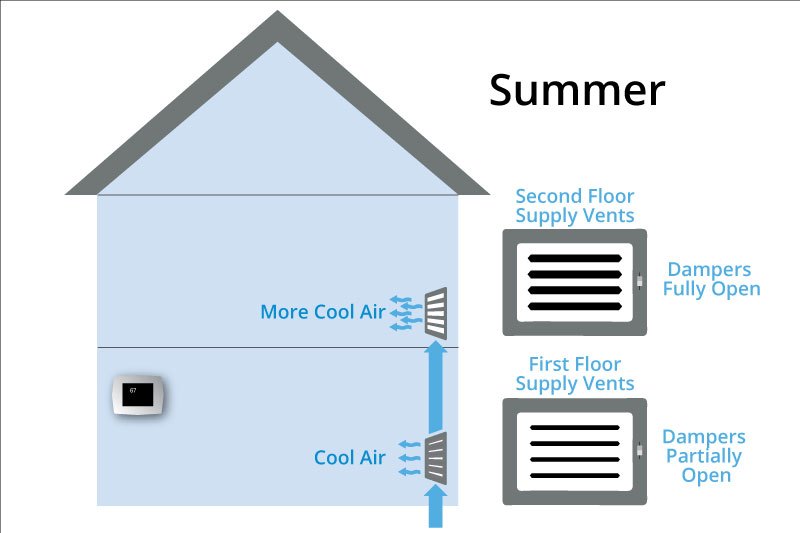
Ah, the eternal summer struggle: the downstairs is an icebox, while upstairs feels like a sauna. Sound familiar? You're not alone! Many homeowners, in a quest for balanced comfort, have tried the "close the downstairs vents to cool the upstairs" trick. It seems logical, right? Force all that precious cool air upwards to where it's needed most. It's like squeezing a balloon – the air has to go somewhere.
The underlying purpose here is understandable: to achieve energy efficiency and personal comfort. Nobody wants to pay a fortune to air condition their entire house just to feel comfortable in their bedroom. By strategically manipulating airflow, we hope to create a more pleasant living environment without breaking the bank. Think of it as a DIY zoning system – a poor man's solution to a common problem.
You'll often see this tactic employed in multi-story homes, especially those with older, less sophisticated HVAC systems. Maybe you have bedrooms upstairs that only get used at night, or a home office that bakes in the afternoon sun. Closing vents in unused or cooler downstairs areas seems like a sensible way to redirect cool air where it's most beneficial. Common examples include closing vents in downstairs living rooms during the day when everyone is upstairs, or shutting vents in the basement if it naturally stays cool.
Must Read
However, before you go vent-closing crazy, it's crucial to understand the potential pitfalls. While the idea sounds good in theory, in practice, it can actually damage your HVAC system and increase your energy bill. Modern HVAC systems are designed to operate with a certain amount of airflow. When you close off vents, you're restricting that airflow, which can put undue stress on your blower motor. This can lead to premature failure and costly repairs. Moreover, the increased static pressure can also cause your ductwork to leak air, negating any energy savings you were hoping to achieve.

So, how can you enjoy a more comfortable home without risking your HVAC system's health? Here are some practical tips:
- Consider professional zoning: A professionally installed zoning system uses dampers in your ductwork, controlled by thermostats in different zones, to precisely direct airflow. This is a much more efficient and safer solution than manually closing vents.
- Seal your ductwork: Leaky ductwork is a major culprit for uneven temperatures. Sealing your ducts can significantly improve airflow and efficiency.
- Use fans: Ceiling fans and portable fans can help circulate air and make rooms feel cooler without impacting your HVAC system.
- Invest in window treatments: Blocking sunlight with curtains, blinds, or solar shades can significantly reduce heat gain, especially in upstairs rooms.
- Proper insulation: Ensure your home is adequately insulated, especially in the attic. This will help keep the upstairs cooler in the summer and warmer in the winter.
- Smart thermostat: Using a smart thermostat, you can create schedules to only cool areas as needed and adjust the temperature when people are in the home, helping you use less energy.
In conclusion, while the urge to close vents might seem intuitive, it's often a short-sighted solution. A more holistic approach, focusing on proper insulation, duct sealing, and professional zoning, will ultimately lead to a more comfortable and energy-efficient home. So, think twice before you reach for those vents – your HVAC system (and your wallet) will thank you!