
Identifying Hazards In The Workplace
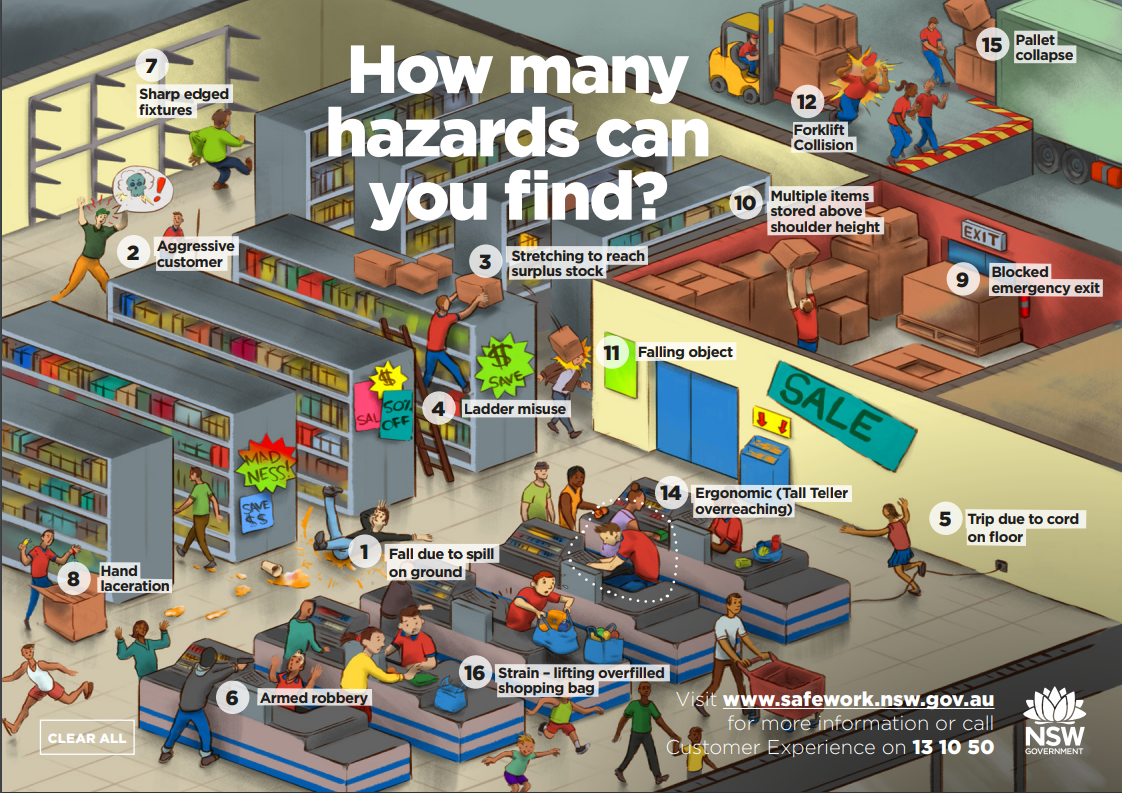
Ever feel like you're secretly a detective, always observing, always putting pieces together? Well, guess what? In the world of work, that very skill makes you a bit of a workplace superhero! We're talking about the surprisingly cool and incredibly important act of identifying hazards. It might sound a bit formal, but trust me, it’s basically just being a super-aware, super-helpful human.
Think about it: before you can fix a leaky faucet, you first have to notice it’s dripping, right? Before you can avoid tripping, you need to spot that rogue skateboard in the hallway. Identifying hazards is exactly like that – it's about spotting the "skateboards" in your workplace before anyone takes a tumble. It’s not about being a killjoy; it’s about making sure everyone gets home safe and sound, ready to tell their exciting stories (or just enjoy a quiet evening).
So, What Exactly Is a "Hazard," Anyway?
Okay, let's break it down without the jargon. A hazard is essentially anything in the workplace that has the potential to cause harm. Simple as that! It's not the harm itself, but the potential for it. Think of it like a dark cloud on the horizon; it's not raining yet, but it could!
Must Read
It could be something obvious, like a wet floor (hello, slip-and-slide potential!). Or it could be something a bit more sneaky, like that wobbly chair you always lean back on, or the way you hunch over your laptop all day. The cool thing is, once you start looking, you realize hazards are everywhere – but don't panic! That just means there are tons of opportunities to make things safer and better.
Why Bother Being a Hazard Hunter?
"Why should I care?" you might ask, kicking back with a virtual coffee. Well, besides the obvious "keeping people safe" bit (which is, let's be real, a pretty big deal!), there are other awesome reasons.
Firstly, it makes your day-to-day life smoother. Fewer accidents mean less downtime, less stress, and more time for actually doing the cool stuff you're paid for. Imagine a kitchen where everything is perfectly organized, knives are sharp but safely stored, and spills are wiped up instantly. Cooking becomes a joy, not a constant worry about cutting yourself or slipping. Your workplace can be like that kitchen!
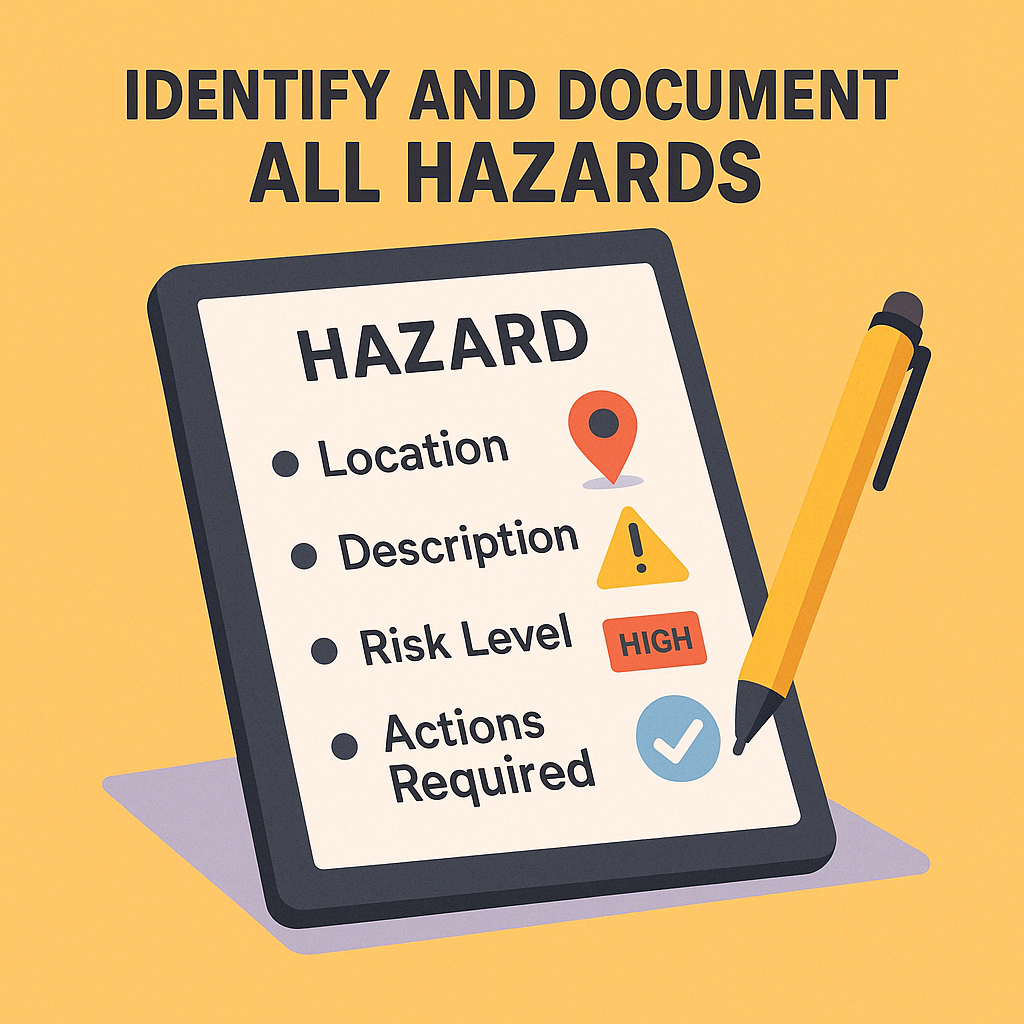
Secondly, it builds a culture of care. When everyone is looking out for potential problems, it shows that you and your colleagues genuinely care about each other's well-being. It's like being on a fantastic team where everyone has each other's back. That feels good, right?
Spotting the Different Flavors of Trouble (Hazards, That Is!)
Hazards come in all shapes and sizes, like different characters in a video game. Knowing the categories can help you spot them more easily.
Physical Hazards: These are the easiest to spot, often. We're talking about anything that can cause a physical injury. Think tripping over loose cables, loud noises that hurt your ears, extreme temperatures, or machinery that isn't guarded properly. It's the classic banana peel on the floor, but in real life.
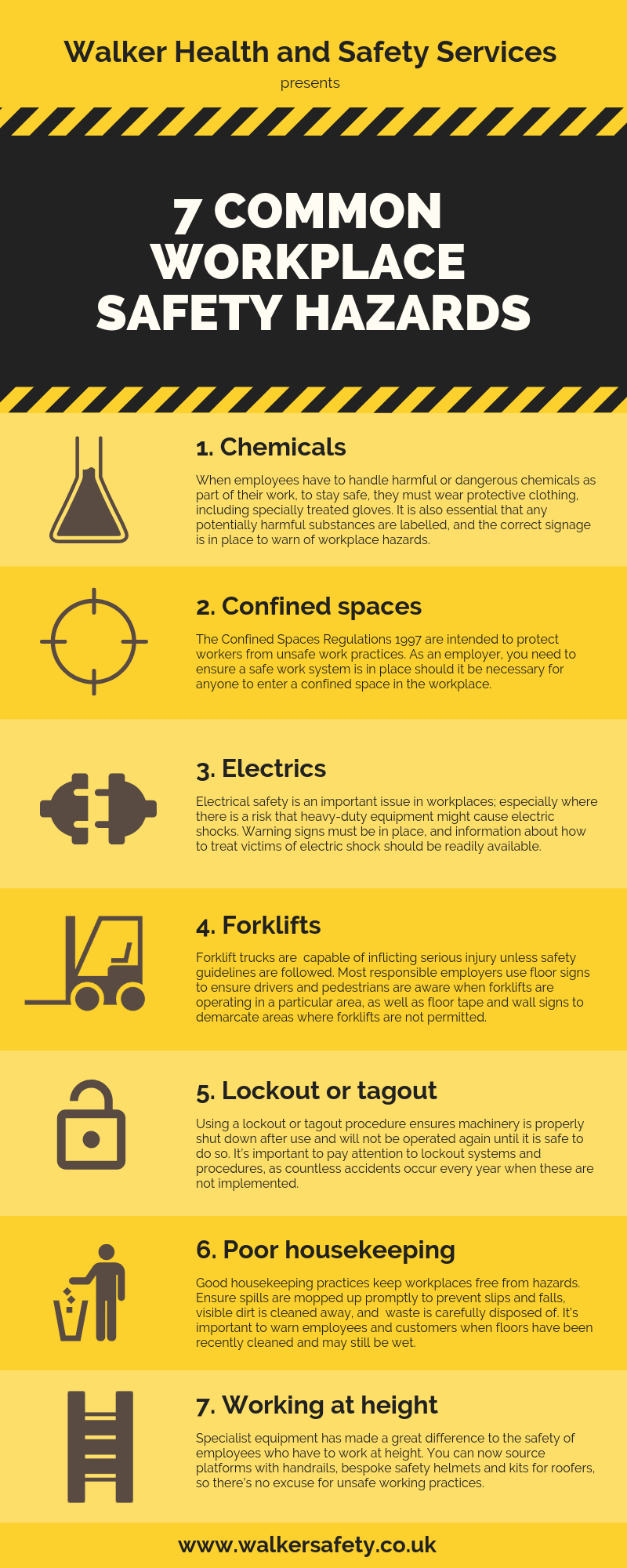
Chemical Hazards: Ever smell something funky near the cleaning supplies? Or see warning labels on certain products? These are your chemical culprits. Fumes, liquids, or gases that can irritate your skin, eyes, or lungs. It's not just big factories; even office cleaning products can be hazards if not handled correctly!
Biological Hazards: Think tiny invaders! These are things like bacteria, viruses, fungi, or mold. Especially relevant these days, right? From that suspicious-looking forgotten lunch in the fridge to working with certain materials, biological hazards are the invisible (or sometimes visible!) nasties that can make us sick.
Ergonomic Hazards: This one is super common and often overlooked. It's all about how your body interacts with your workspace. Is your chair comfortable? Is your computer screen at the right height? Are you repeating the same motions all day? Poor posture, repetitive movements, or awkward lifting can lead to strains, pains, and long-term discomfort. It's like playing a musical instrument with bad technique – eventually, something's going to hurt!
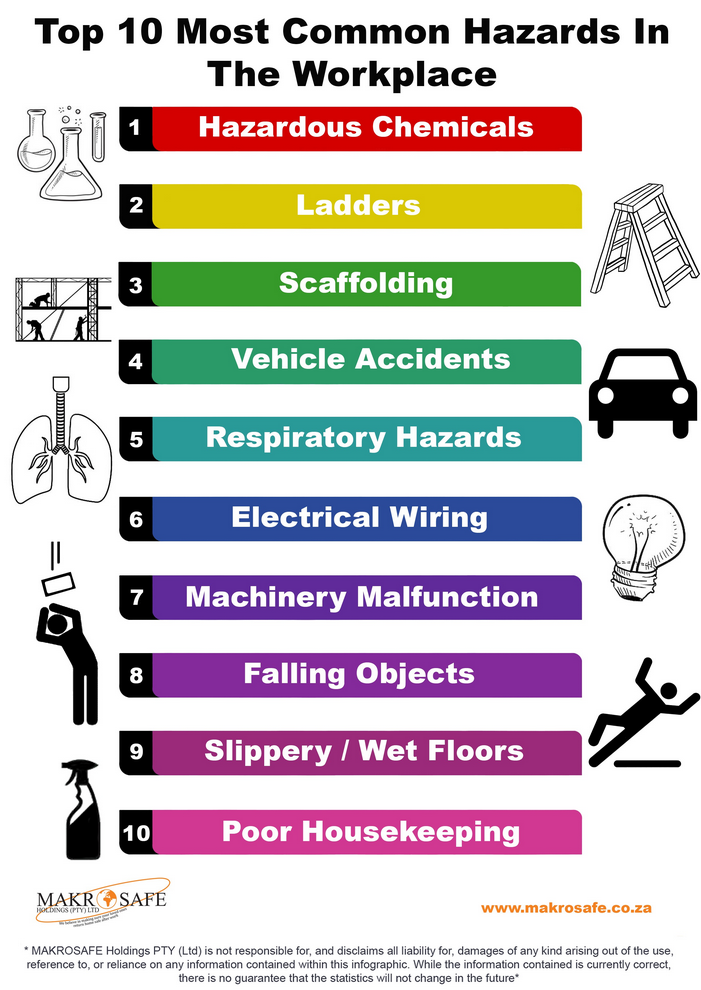
Psychosocial Hazards: This is a big one, and increasingly recognized. It's about how work affects your mental and emotional well-being. Think high workload, tight deadlines, bullying, lack of support, or even feeling isolated. These aren't physical bumps and bruises, but they can significantly impact stress levels, burnout, and overall happiness. It’s like trying to navigate a maze blindfolded – exhausting and frustrating!
How Do We Become Super Hazard Spotters?
Alright, so you're convinced. You want to unleash your inner workplace detective. How do you do it?
Walk Around with "Hazard Goggles": Seriously, just take a stroll and look at things differently. Pretend you're seeing your workplace for the very first time. What catches your eye? What looks a bit off? Are there cords crossing pathways? Is the lighting adequate? Are things piled up unsafely? It's like a real-life "I Spy" game, but with a purpose.
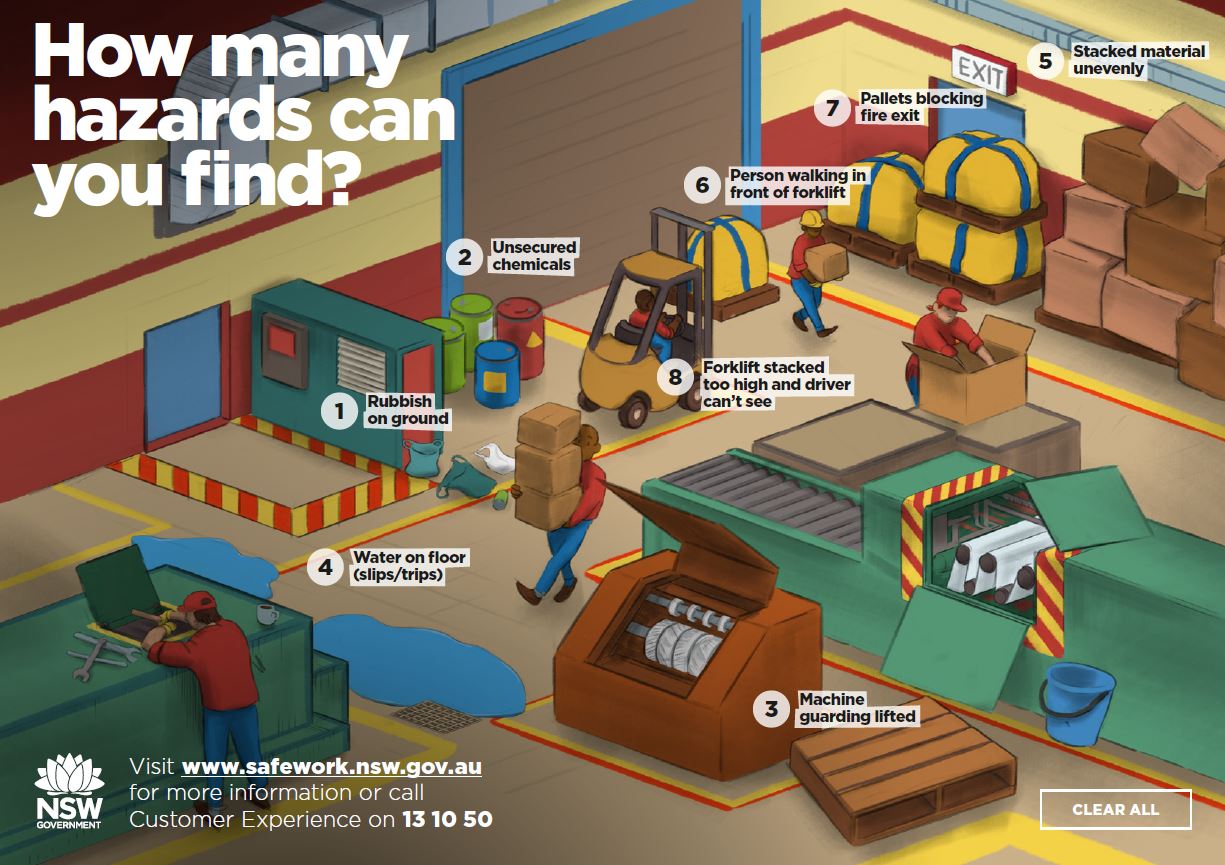
Chat It Up: Your colleagues are a goldmine of information! They experience the workplace every day, often in different ways than you do. Ask them, "Hey, anything bothering you lately about how things are set up?" Or, "Do you ever find yourself struggling with X or Y?" People often know where the tricky spots are but might not realize they're "hazards."
Learn from the Past: If there have been any incidents or near misses (those "oops, almost happened!" moments), pay attention. These are like breadcrumbs leading you to potential hazards that need fixing. Every near miss is a learning opportunity wrapped in a lucky escape.
Keep Learning: Stay updated on safety guidelines and best practices. The more you know, the sharper your "hazard goggles" become!
Your Superpower for a Better Workplace
Ultimately, identifying hazards isn't a chore; it's a fundamental part of creating a thriving, safe, and positive work environment. It's about being proactive, caring, and a little bit clever. So next time you're at work, put on those invisible hazard goggles, channel your inner Sherlock, and remember that every potential problem you spot is a step towards a happier, healthier place for everyone.