Hydroelectric How Does The Energy Source Work
Ever watched water cascading down a waterfall and thought, "Wow, that's powerful stuff!"? Well, you're absolutely right! That powerful stuff can be harnessed to create electricity, and that's exactly what hydroelectric power, often shortened to hydropower, does. It's like nature's own giant battery, and understanding how it works is surprisingly simple and pretty darn cool.
So, what's the big deal about hydropower? Put simply, it's a way to generate electricity using the power of moving water. Instead of burning fossil fuels like coal or gas, which contribute to air pollution and climate change, hydropower uses a renewable resource – water! This makes it a much cleaner and more sustainable energy source. Plus, hydropower plants can also help control flooding and provide a reliable source of water for irrigation and drinking.
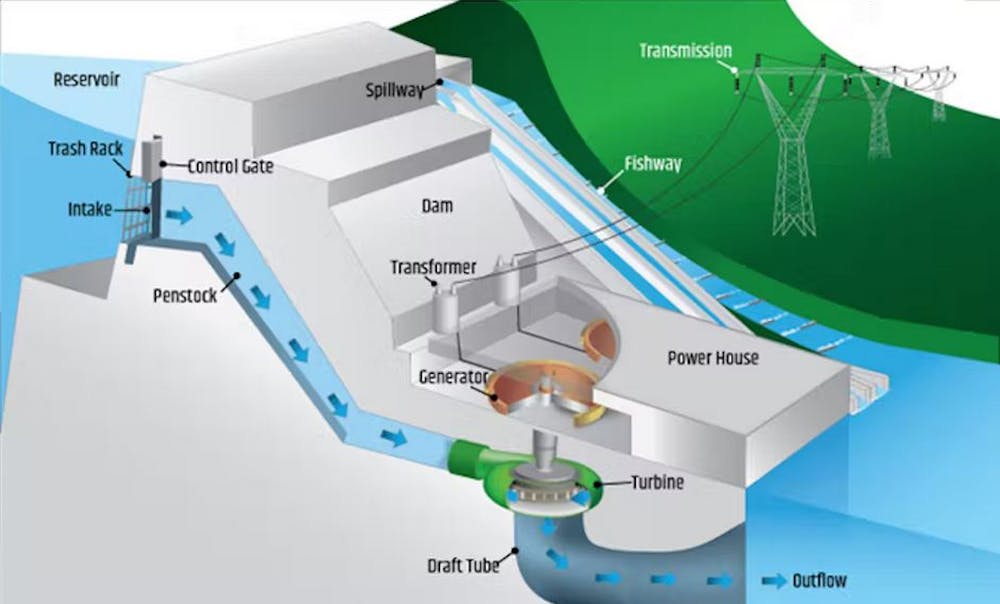
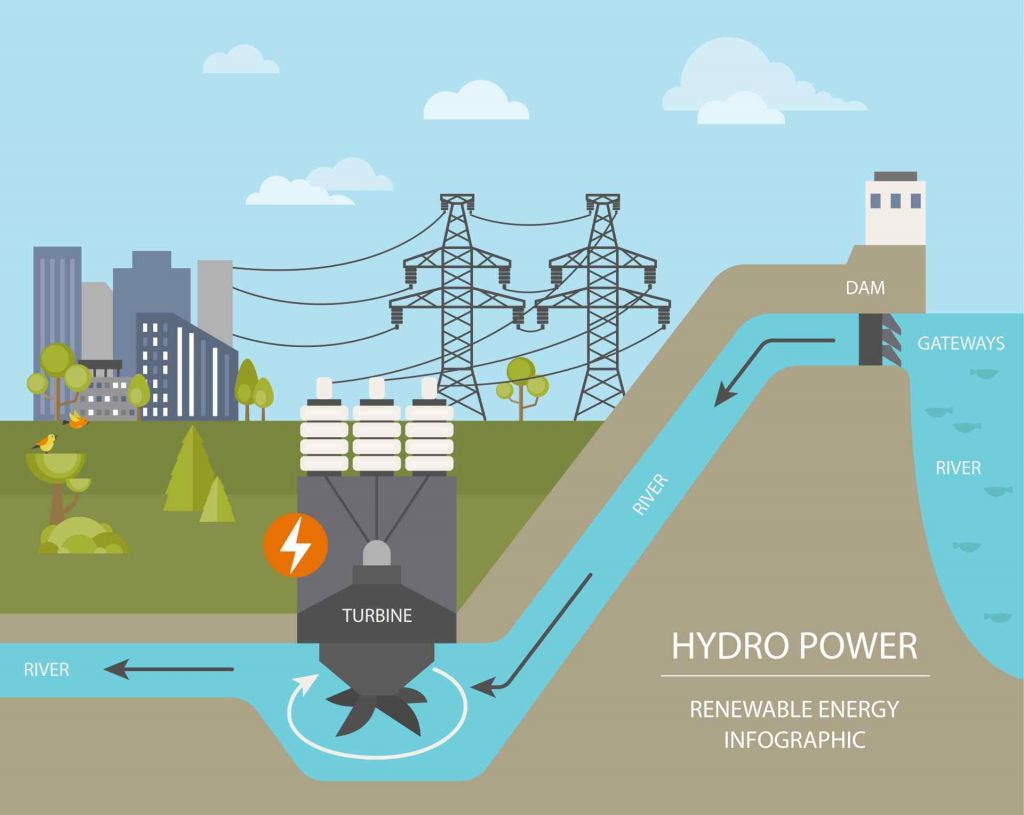
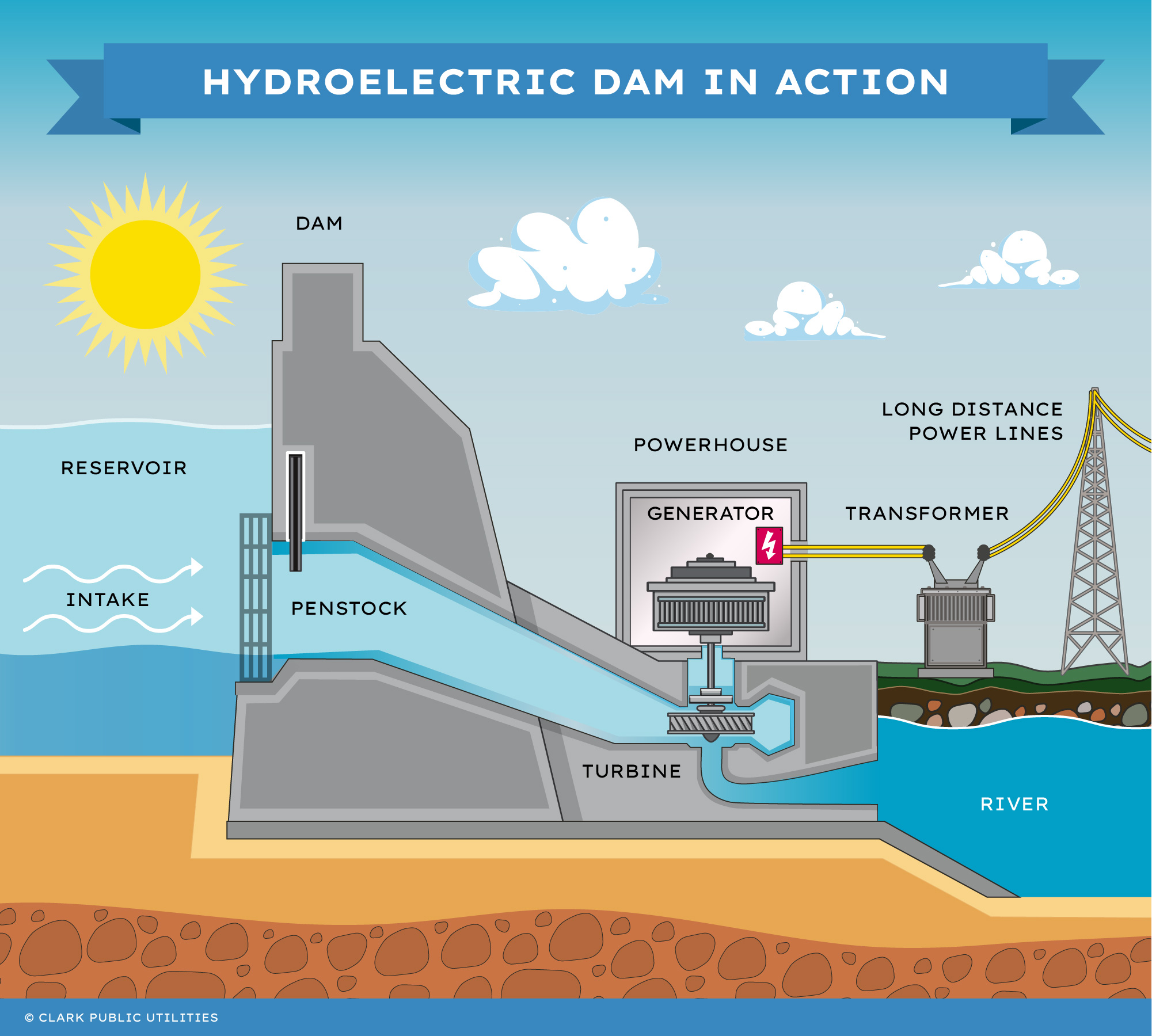
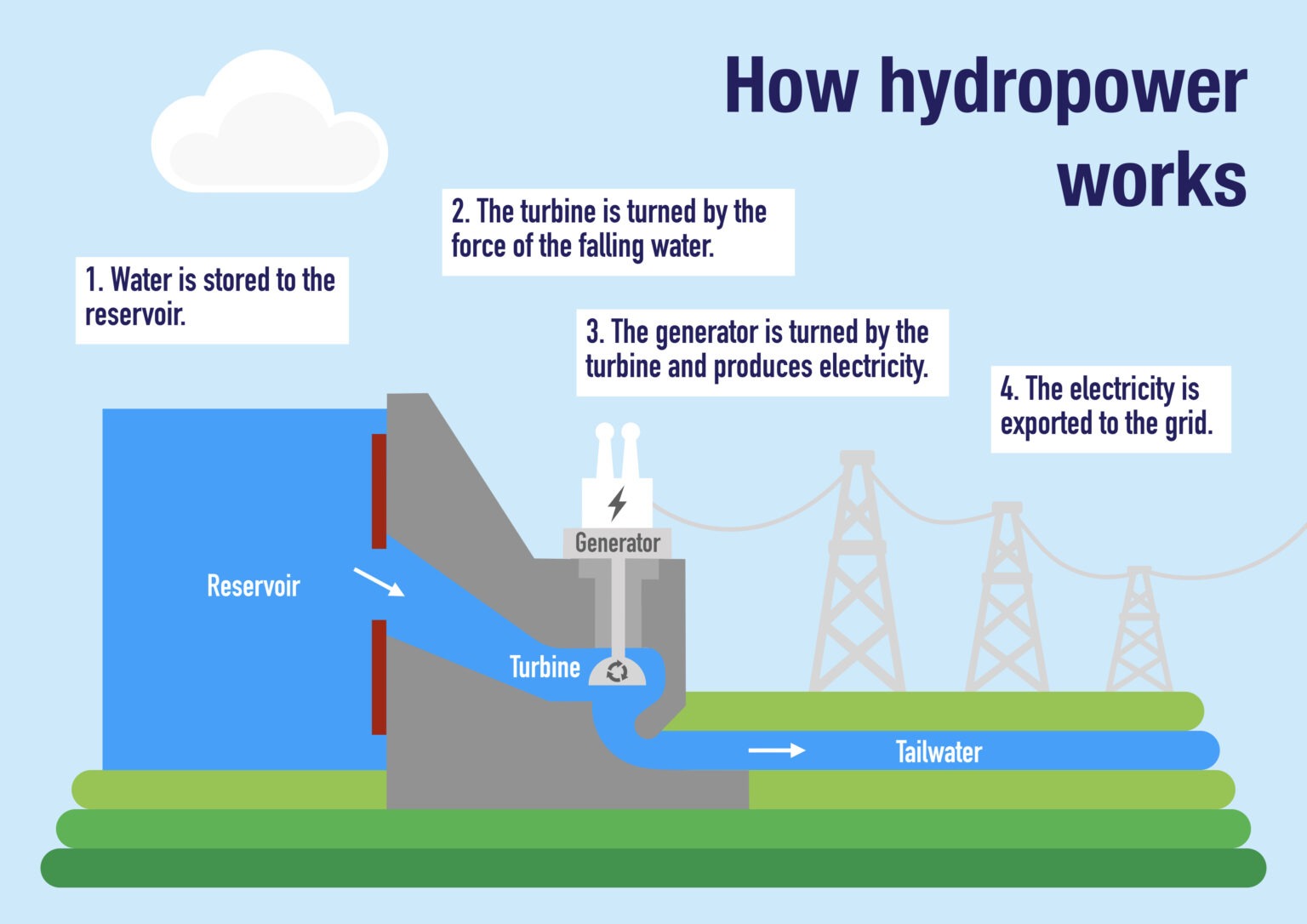
The basic principle is this: think of a water wheel. Water flows onto the wheel, causing it to turn, and that rotational energy can be used to do work. Hydropower plants work in a similar way, but on a much grander scale. Most hydropower plants use a dam to create a large reservoir of water. This reservoir acts like a giant battery, storing potential energy. The water is then released from the reservoir through controlled openings.
Must Read
As the water rushes down, it spins a turbine, which is essentially a giant water wheel connected to a generator. The turbine's spinning motion turns the generator, which converts the mechanical energy into electrical energy. This electricity is then sent through power lines to our homes, schools, and businesses, powering everything from our lights to our computers.
There are different types of hydropower plants. The most common type is the impoundment facility, which uses a dam to create a reservoir. Another type is the run-of-river facility, which doesn't require a large reservoir. Instead, it diverts a portion of the river's flow through a channel to spin turbines. Run-of-river facilities generally have less environmental impact than impoundment facilities, but they also produce less electricity.
Hydropower has been around for a long time – people were using water wheels to grind grain centuries ago. But modern hydropower plants are much more efficient and sophisticated. While hydropower isn't perfect – dams can disrupt ecosystems and affect fish migration – it remains a vital source of clean, renewable energy. Next time you flip a light switch, remember the powerful force of water that might be behind it! Who knew that harnessing the flow of a river could be so important for our planet and our everyday lives?