
Hvac Tons Per Square Foot Commercial Calculator

So, you're thinking about HVAC. Fun, right? Okay, maybe not. But let's talk about sizing things up. You might have heard whispers of this mysterious "Tons per Square Foot" thing.
Commercial Spaces: It's All Relative (and a Little Bit Guesswork)
Commercial spaces are like snowflakes. No two are exactly alike. Calculating the correct HVAC load can feel like advanced calculus. But let's try to break it down, shall we?
Forget tiny homes. We're talking offices, shops, maybe even a bowling alley (air conditioning is crucial for optimal bowling, just saying). That's where "tons per square foot" comes crawling in.
Must Read
What's a "Ton" Anyway?
First, let's demystify the "ton." It's not about weight, thankfully. One ton of cooling equals 12,000 BTUs per hour. Which is...still confusing. Think of it as the amount of heat needed to melt a ton of ice in 24 hours. Makes perfect sense, right?
The bigger the space, the more "tons" you'll likely need. Simple enough? Don't get too confident. It gets trickier.
Now, some folks will tell you there's a magic formula. An HVAC Tons Per Square Foot Commercial Calculator, perhaps? Ready to spit out the perfect answer? Here's my unpopular opinion...
The "Calculator" Myth: My Unpopular Opinion
Those calculators? They're okay for a starting point. Maybe. But treating them as gospel is a recipe for sweaty discomfort. Or, you know, freezing your employees into popsicle status.
I'm going to be blunt. A calculator is just a calculator. It can't see through walls (yet!). It doesn't know how many sun-loving employees you have.
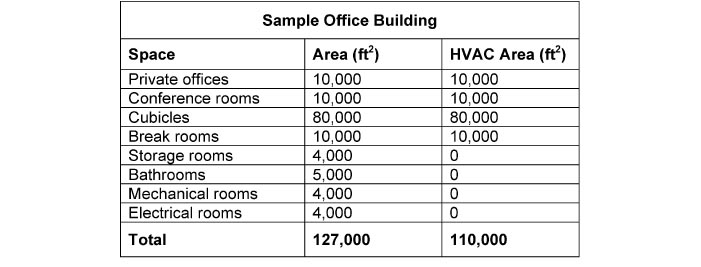
It's a tool, not a psychic. Don't blame the poor calculator when your server room is hotter than a dragon's breath because of those calculators.
Factors Those Calculators Don't Calculate
Let's dive into some things a simple calculator can't possibly know about your specific space. Prepare to be amazed (or mildly interested).
Sun Exposure: The Sneaky Heat Generator
Does your building bask in glorious sunshine all day? South-facing windows can turn your office into a greenhouse. Those calculators won't account for that tropical heat.
Tinted windows? Blinds? Curtains? All these affect your HVAC load. Guess what? The calculator remains blissfully unaware. It's living in the dark ages.
Insulation: Your Building's Cozy Blanket
Good insulation keeps heat in during winter, and out during summer. Bad insulation? Well, that's just throwing money out the window (literally and figuratively).
Old buildings tend to have terrible insulation. A calculator won't know your walls are basically made of paper. Your AC unit will be working overtime.
Occupancy: Are You Packing People In?
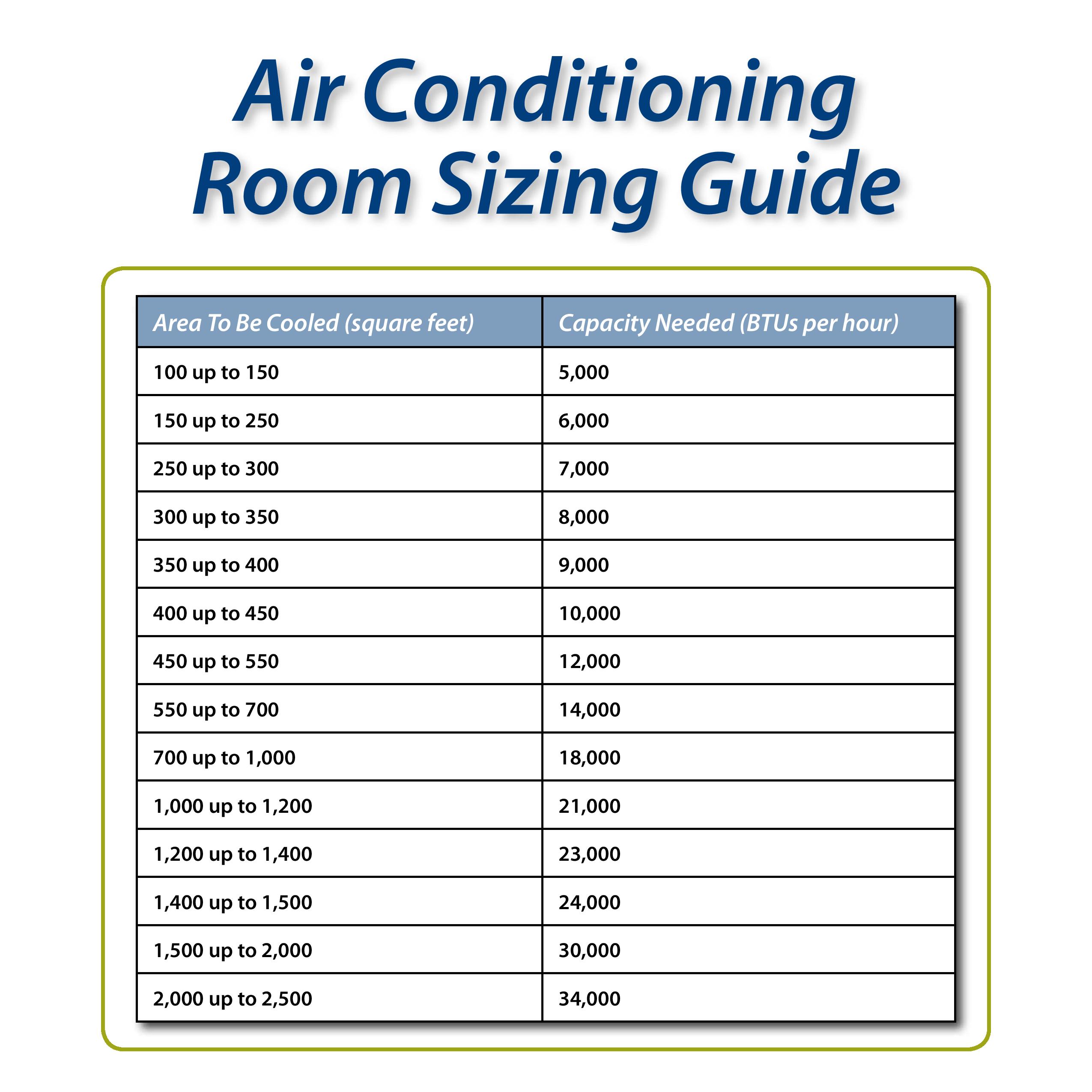
Are you running a library or a nightclub? People generate heat. A room full of yoga enthusiasts is going to need more cooling than an empty storage room.
Every body generates heat. More bodies, more heat. The calculator is oblivious to your company's sudden growth spurt.
Equipment: The Silent Heat Producers
Server rooms are notorious for generating heat. Computers, printers, coffee machines...they all contribute to the thermal load. It's like a tiny, electric army battling against your HVAC system.
High-powered computers in every cube farm? Your cooling needs just went up. The calculator is still stuck on abacuses.
Building Use: An Office vs. A Restaurant
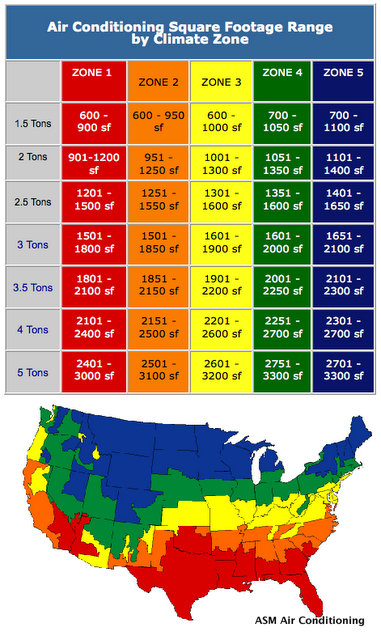
A restaurant kitchen will be far hotter than a quiet office. Ovens, stoves, and deep fryers pump out heat like crazy. A simple square footage calculation won't cut it.
Commercial kitchens need specialized HVAC solutions. Don't even think about using the same formula for a server room and a pizza oven.
So, What Should You Do? (Besides Panic)
Okay, calculators are flawed. We've established that. So, what's the alternative? Don't worry, I'm not going to leave you hanging (and sweating).
Consult a Professional: The Real Deal
Seriously, hire a qualified HVAC engineer. They'll conduct a thorough load calculation. They'll consider all the factors those calculators ignore.
A pro will analyze your building's specific needs. They'll recommend the right size and type of system. They'll save you money (and headaches) in the long run.
Energy Audit: Know Your Building's Weaknesses
An energy audit can reveal areas where you're losing energy. Poor insulation, leaky windows, inefficient equipment...an audit will find them.
Address these issues before installing a new HVAC system. It's like fixing a leaky bucket before trying to fill it. You'll thank yourself later.
Consider Future Growth: Plan Ahead
Are you planning to expand your business? Will you be adding more employees or equipment? Factor that into your HVAC design.

It's better to oversize slightly than to be stuck with an underpowered system. Future-proof your investment.
My Final, Slightly Sarcastic, Thoughts
HVAC sizing isn't an exact science. There's always a bit of art involved. But don't rely solely on a generic calculator.
Treat it like a very rough estimate. And then call a professional. Your employees (and your energy bill) will thank you.
Remember: comfort is key. Unless you want everyone to work from home to escape the temperature extremes. Then by all means, trust the calculator.
Now, if you'll excuse me, I need to go adjust my thermostat. It's a bit...dramatic in here.
Good luck with your HVAC adventures!