
Hvac How Many Tons Do I Need

Ever walked into a house and immediately felt that blissful, "just right" temperature? Or maybe, you've stepped into a place that feels like a sweltering jungle or an arctic freezer, even with the AC blasting. That Goldilocks comfort (or lack thereof) often boils down to one fascinating, slightly quirky question: how many tons is the HVAC system?
And trust us, we’re not talking about literal tons of steel here! This isn't about how much your AC unit weighs. Nope. This is about something far more intriguing, a little historical, and super important for your home's comfort. Get ready for some HVAC magic!
What Even IS a Ton in HVAC?
Okay, let's get quirky right off the bat. When an HVAC technician talks about a "ton," they’re not discussing a heavy truckload. Instead, they’re referring to a measurement of your air conditioner's cooling capacity. And the origin? It's downright chilly.
Must Read
Back in the day, before fancy mechanical AC units, people used to cool their homes with, you guessed it, ice! A "ton" of cooling capacity literally meant the amount of heat required to melt one ton (2,000 pounds) of ice in 24 hours. Imagine getting an ice delivery just to survive summer!
Fast forward to today, and that translates to a specific amount of heat removal: 12,000 British Thermal Units (BTUs) per hour. So, a 3-ton AC unit doesn't weigh 6,000 pounds; it can remove 36,000 BTUs of heat from your home every hour. Pretty neat, right? It's a shout-out to the frosty past!
Why Does Tonnage Matter? The Goldilocks Dilemma!
This is where the fun really begins. Getting the right tonnage for your home is like finding the perfect pair of shoes: too small, and you're uncomfortable all day. Too big, and you're tripping over yourself. It's all about that just right fit.
Too Small? Oh, the Horror!

If your AC unit is too small for your space, it's going to struggle. Picture a tiny hamster trying to power a giant ferris wheel. It'll run and run and run, working its little heart out, but never quite reaching that cool, comfy temperature. Your house will feel perpetually warm, your energy bills will skyrocket because it's always running, and the unit itself will wear out faster. Nobody wants a perpetually sweaty house!
Too Big? Not Always Better!
Common wisdom sometimes says, "Bigger is always better!" Not so with HVAC, my friend. An oversized unit is like blasting a tiny closet with a massive industrial fan. It cools the space super quickly, then shuts off. This is called "short cycling." Sounds efficient, right? Wrong!
When an AC unit short cycles, it doesn't run long enough to effectively remove humidity from the air. You know that feeling when it's cool but still feels damp and clammy? That’s often an oversized unit at work. Plus, the constant starting and stopping uses more energy than a unit that runs for longer, more consistent cycles. It's inefficient, uncomfortable, and can lead to mold issues. Yuck!
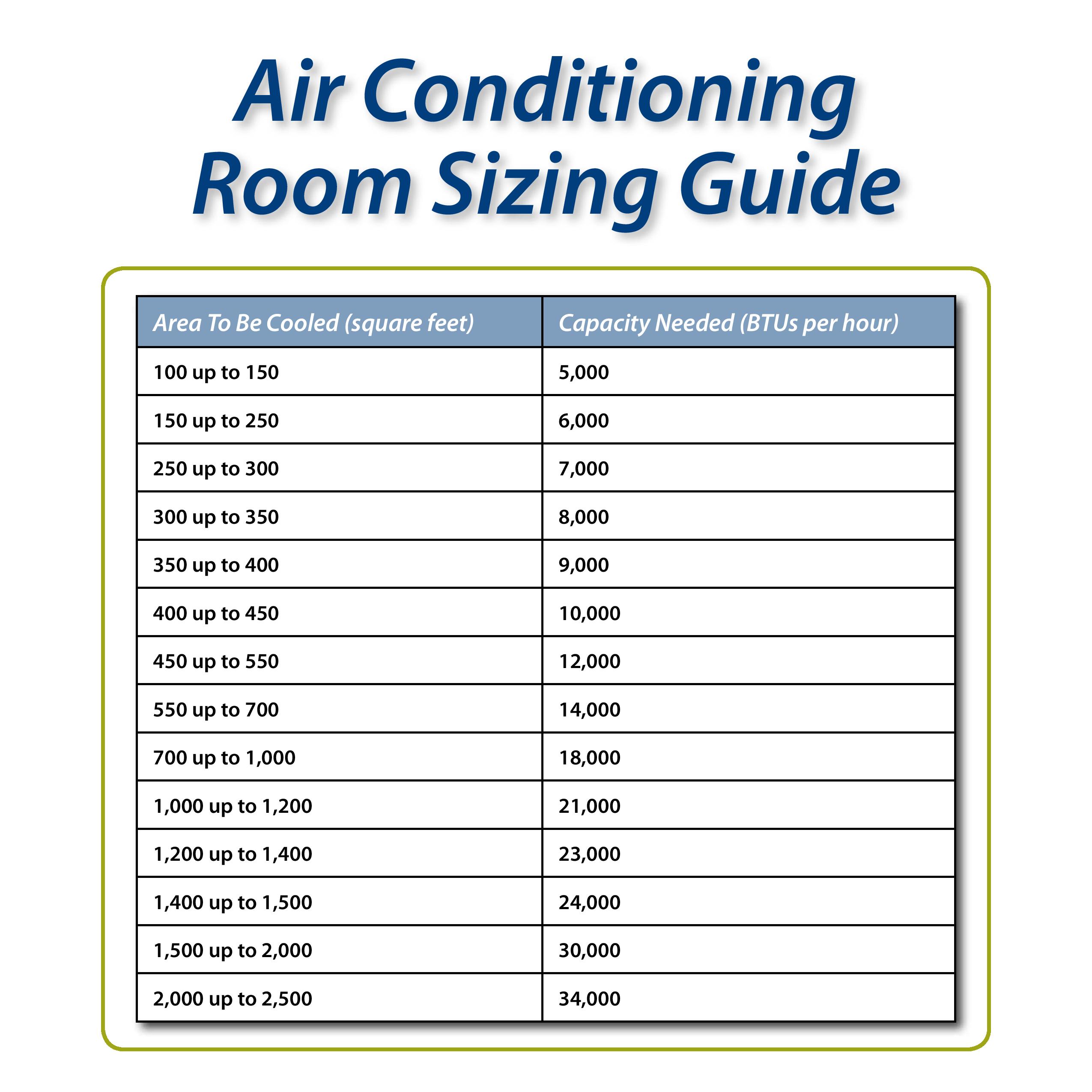
Factors Affecting Your Perfect Tonnage: Beyond Square Footage!
So, how do you find that sweet spot? It's not just about how many square feet your house is, though that's a big part of it. Think of it like a puzzle with several quirky pieces:
Square Footage: The obvious one! More space generally means more air to cool. But it's just the starting line.
Ceiling Height: Got vaulted ceilings? That's more cubic feet of air, even if the floor plan is small. Your AC needs to chill that extra volume.
Windows, Windows, Windows: Do you have huge, sunny windows? They're like little heat magnets! South and west-facing windows can significantly increase the heat load. Older, single-pane windows are even bigger culprits.
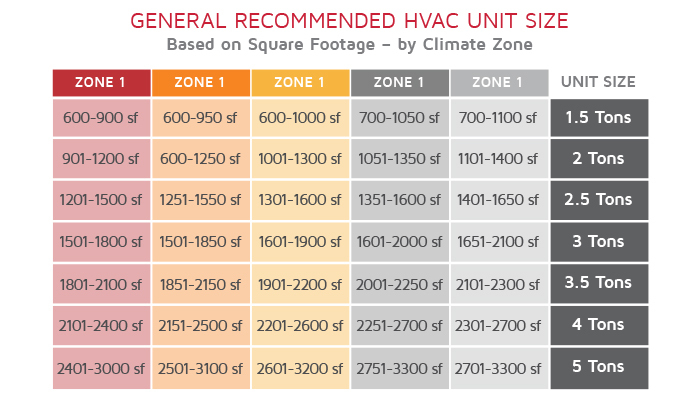
What Size AC Unit Do I Need? | Lennox Insulation Quality: Is your attic insulated like a cozy winter coat, or is it more like a leaky colander? Good insulation keeps heat out (and cool in) like a champ. Poor insulation makes your AC work overtime.
Climate Zone: Living in a scorching desert versus a mild coastal area makes a huge difference. Duh, right?
Occupants & Appliances: Believe it or not, people generate heat! (Hello, body warmth!) And so do your oven, computer, TV, and even light bulbs. A bustling family home with lots of gadgets needs more cooling power than a single person living minimally.
Ductwork Integrity: Leaky ducts in your attic can waste up to 30% of your conditioned air. It's like trying to fill a bucket with holes! This impacts how efficiently your system cools, regardless of tonnage.

How Do I Know How Many Tons My Air Conditioner Is? - PICKHVAC
Don't Guess, Get a Pro!
Given all these quirky variables, just guessing or trying to use a simple online calculator is like throwing darts blindfolded. You might hit the board, but probably not the bullseye!
The pros use something called a "Manual J calculation." Sounds super technical, right? It kind of is! It's a detailed load calculation that takes into account every single one of those factors we mentioned – and more. They measure windows, check insulation, factor in local climate data, and even count your anticipated number of residents and their heat-producing habits.
This isn't just about picking a number; it's about engineering the perfect comfort solution for your unique home. It ensures you don't end up with a system that's always panting for breath or one that gives you a cold blast for five minutes then leaves you feeling like a soggy potato.
The Fun Part: Smart Homeowner Bragging Rights!
Now you know the secret! You understand that "tons" isn't about weight but about a fascinating historical link to ice and the powerful science of heat removal. You can now nod knowingly when someone mentions BTUs and gently correct your friend who thinks bigger is always better for their AC.
So, the next time you're chilling in a perfectly comfortable room, give a little nod to the humble HVAC ton. It's a tiny, powerful piece of comfort engineering that keeps our indoor worlds perfectly balanced. And isn't that just a little bit fun to think about?