How Would Solar Energy Affect The Environment
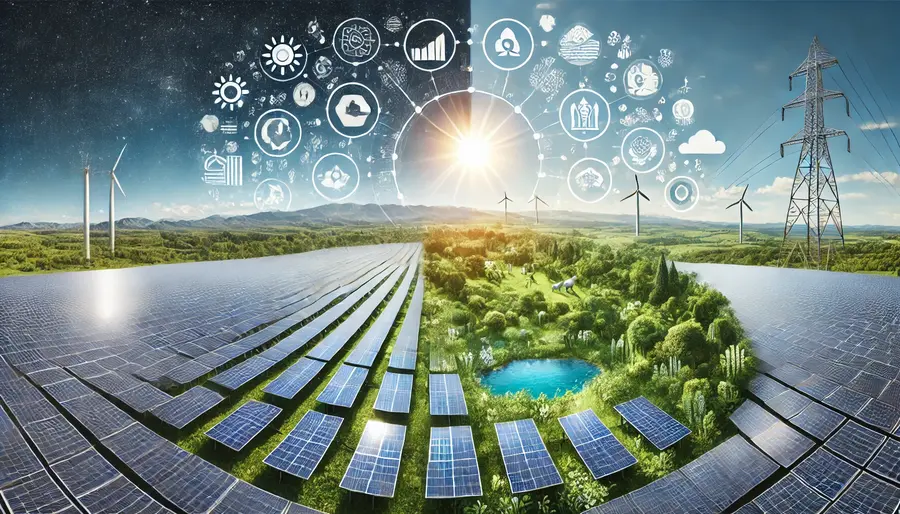
Let's talk about sunshine! Not just for getting a tan (responsibly, of course!), but for powering our lives. Solar energy is having a real moment, and for good reason. It's like having a superpower – harnessing the sun's endless energy to create electricity. But how does this 'superpower' actually affect our environment? That's what we're diving into – and trust me, it’s more fascinating (and important!) than you might think.
The purpose of solar energy is pretty straightforward: to convert sunlight into usable electricity. This is achieved through photovoltaic (PV) cells, those shiny panels you see on rooftops and in solar farms. When sunlight hits these cells, it generates an electric current. Simple, right? The benefits, however, are anything but simple. They ripple through our entire environment and economy.
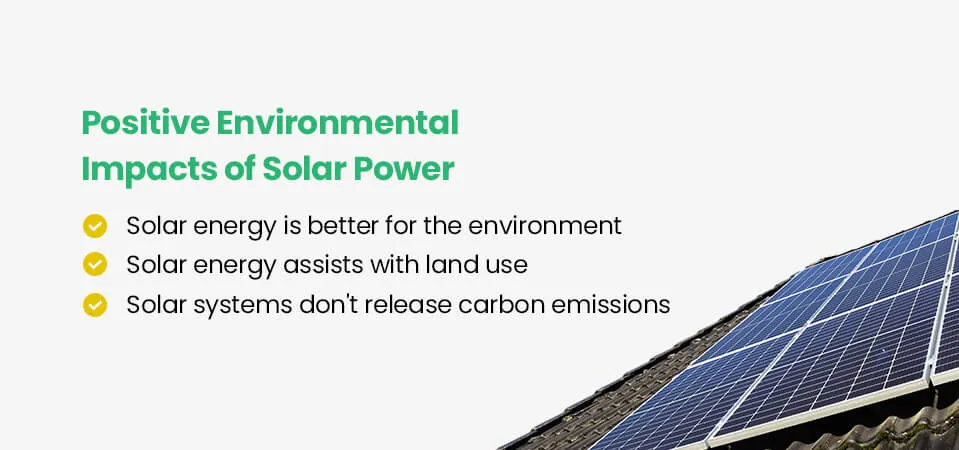
One of the biggest wins for solar is its impact on air quality. Unlike fossil fuels (coal, oil, and natural gas), solar energy doesn’t release harmful pollutants into the atmosphere. Think about it: no smoke, no smog, no nasty chemicals contributing to respiratory problems or acid rain. By switching to solar, we’re essentially giving our lungs a much-needed break. This is a huge deal, especially in densely populated areas where air pollution is a major concern.
Must Read
And what about climate change? This is where solar really shines (pun intended!). Burning fossil fuels releases greenhouse gases, trapping heat in the atmosphere and causing global warming. Solar energy, on the other hand, produces minimal greenhouse gas emissions over its lifecycle. While there are emissions associated with manufacturing and transportation of solar panels, these are significantly lower than those from fossil fuels. By embracing solar, we’re actively reducing our carbon footprint and helping to mitigate the effects of climate change. It's like giving the planet a giant hug!
But it's not all sunshine and roses. There are some environmental considerations with solar energy. Manufacturing solar panels requires resources and energy. Mining the materials needed for PV cells can have impacts on land and water. And what happens to solar panels at the end of their lifespan? Recycling programs are still developing, and improper disposal could lead to environmental problems. However, these challenges are being actively addressed with improved manufacturing processes, responsible sourcing of materials, and advancements in recycling technologies.
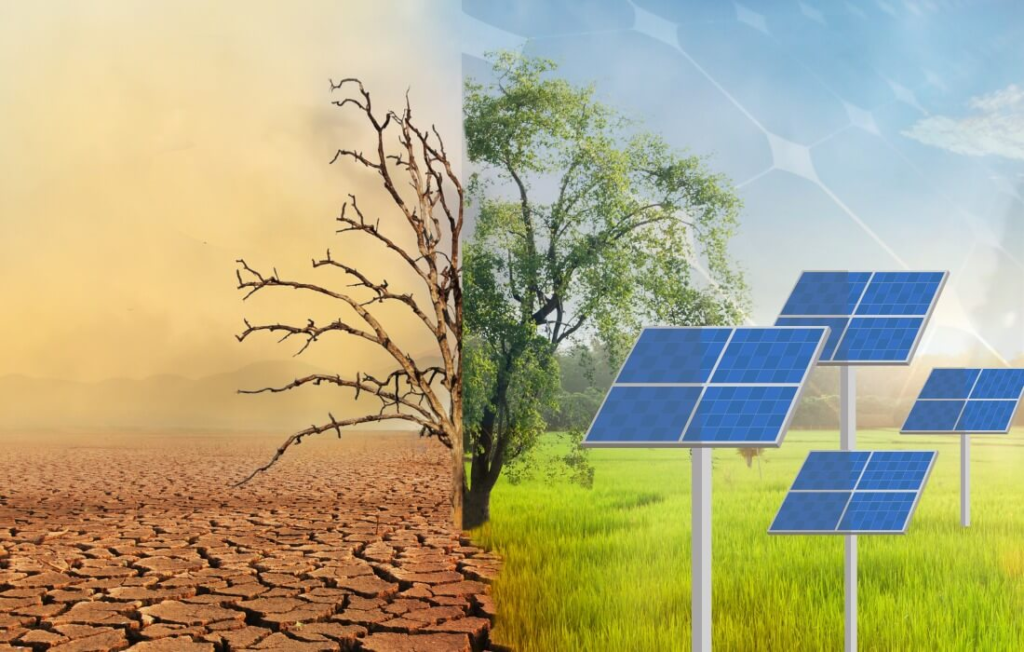
Another concern is land use. Solar farms, especially large-scale ones, require significant amounts of land. This can lead to habitat loss and impact biodiversity. However, there are ways to minimize these impacts, such as siting solar farms on already disturbed land (like landfills or brownfields) or integrating them into existing agricultural landscapes (agrivoltaics). Careful planning and responsible development are key.
Overall, the environmental impact of solar energy is overwhelmingly positive. It offers a clean, sustainable alternative to fossil fuels, reducing air pollution and mitigating climate change. While there are challenges to address, ongoing innovation and responsible practices are making solar energy an increasingly environmentally friendly option. So, next time you see a solar panel, remember it's not just a piece of technology; it's a step towards a cleaner, healthier planet for everyone. Go solar, and let the sun do the work!