How Wind Energy Is Transformed Into Electricity
Ever look at a giant wind turbine and think, "What's the big deal? It's just a fan!"? I do. And I'm not ashamed to admit it. But here's the thing: It's a super-powered, electricity-generating fan! Let's dive into how these breezy behemoths turn wind into the juice that powers our phone chargers, toasters, and, let's be honest, our cat videos.
Catching the Breeze
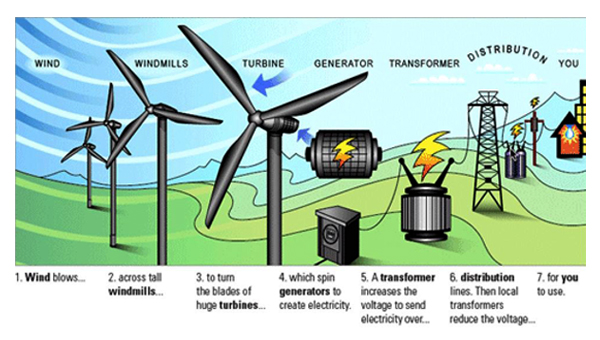
First, you need wind. Duh, right? But not just any gentle breeze will do. We're talking about winds strong enough to make your hair whip around like you're in a shampoo commercial. These winds push against the blades of the turbine. The blades are shaped like airplane wings, which is pretty cool when you think about it. They don't just flap around uselessly. They're designed to capture the wind’s energy.
As the wind hits the blades, they rotate. This is where the magic (or, you know, physics) starts to happen. Think of it like a merry-go-round, but instead of kids holding on for dear life, it's gigantic blades spinning 'round and 'round.
Must Read
Gears and Generators: The Inside Scoop
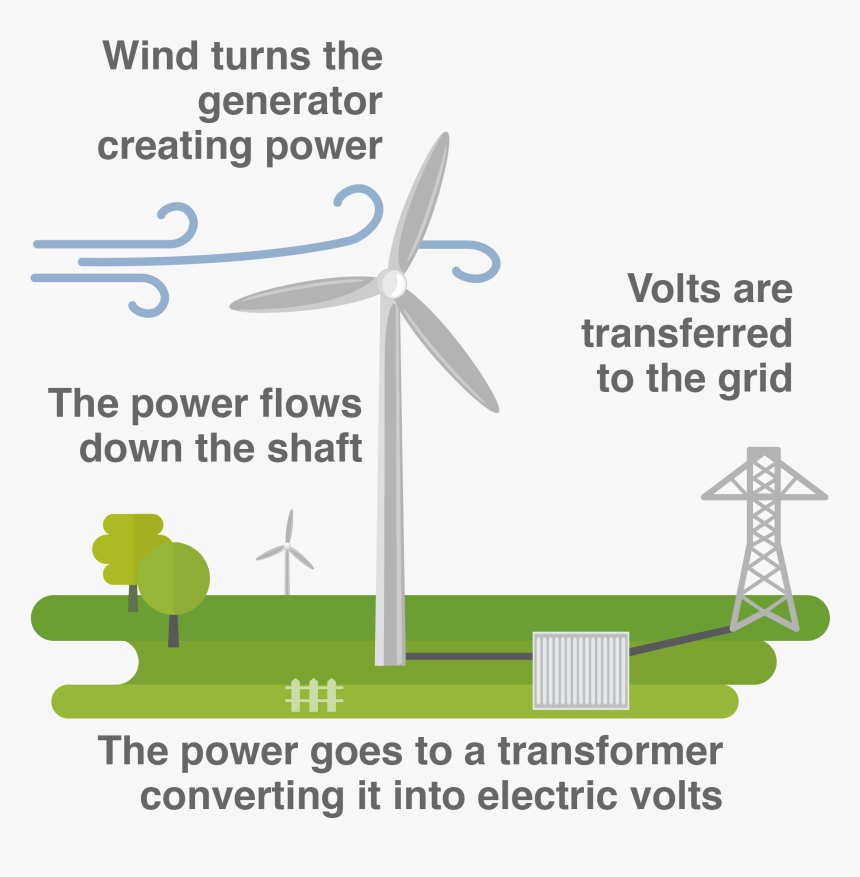
The spinning blades are connected to a shaft. This shaft is linked to a gearbox. The gearbox is like the turbine's transmission. It increases the rotational speed. Why? Because the generator needs to spin really, really fast to make electricity. Generators are quite remarkable pieces of machinery.
Now, the generator is the real star of the show. It's the gizmo that converts mechanical energy (spinning) into electrical energy. Inside, you've got magnets and coils of wire. When the magnets spin near the coils, it creates an electric current. It's all about electromagnetic induction, a fancy term that basically means "spinning stuff makes electricity."

Unpopular opinion: Science is basically magic that we understand (mostly).
From Turbine to Town
So, the generator has made electricity. Now what? Well, this electricity needs to be sent where it's needed. It travels through cables down the turbine tower. From there, it connects to a substation.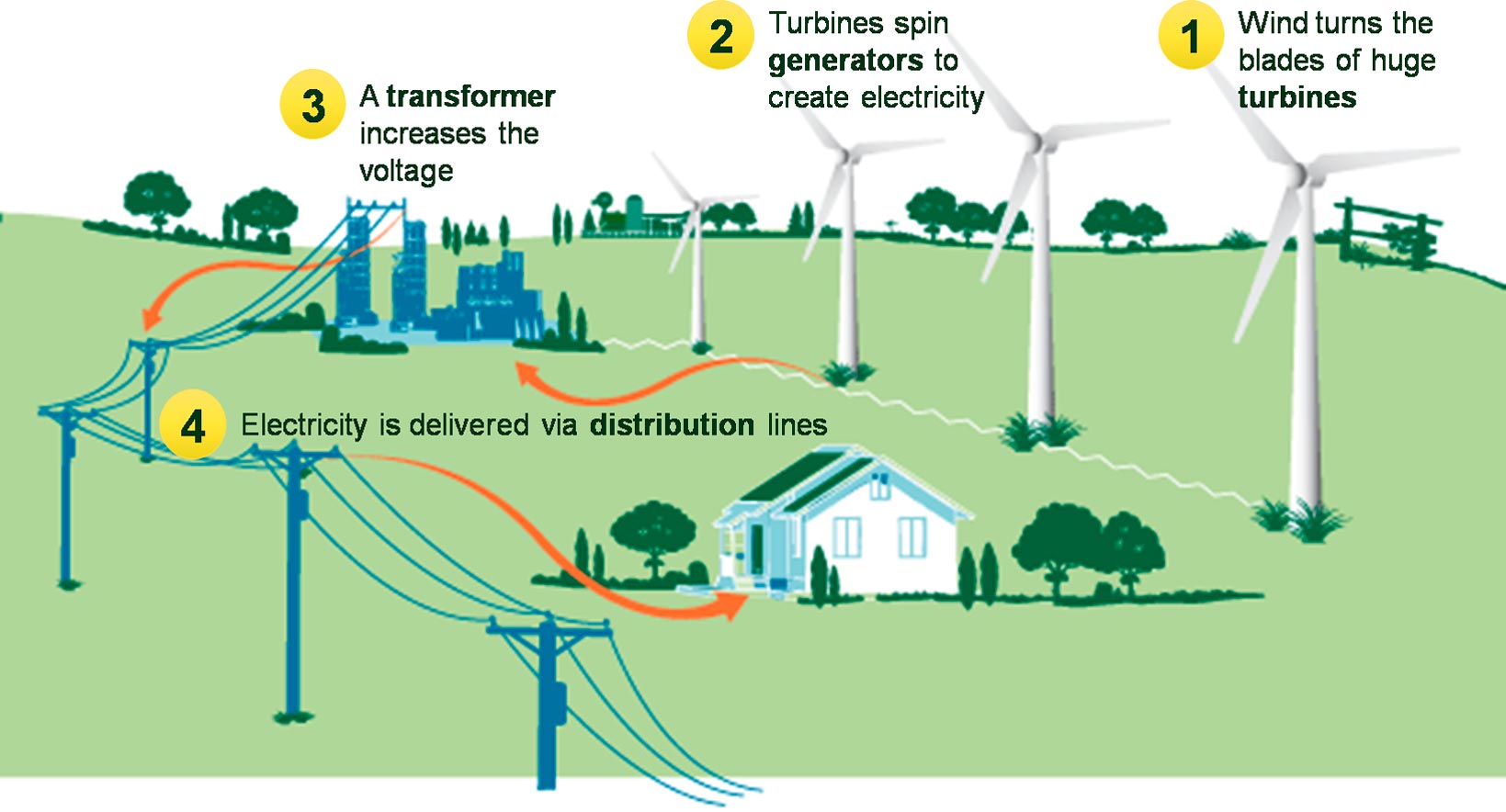
The substation is like a power distribution center. It boosts the voltage of the electricity. This high-voltage electricity then travels through transmission lines. These are those big, metal towers you see marching across the landscape. They carry the electricity over long distances to our homes, businesses, and...yes...the internet servers that host all those cat videos.
Wind Power: Not Perfect, But Pretty Darn Good
Now, I know what you're thinking: "But what happens when the wind doesn't blow?" Good question! That's one of the challenges of wind energy. Wind power is intermittent. It's not always available when we need it. This is where energy storage solutions come in. Things like batteries or pumped hydro can store excess energy generated when the wind is blowing strongly.

And yes, wind turbines can be a bit noisy. And some people don't like the way they look. But honestly, I think they're kind of majestic. They’re like giant, graceful dancers harnessing the power of nature. Don Quixote would have loved them!
Plus, wind energy is clean and renewable. It doesn't produce greenhouse gases like burning fossil fuels. That's a pretty big deal for the planet. It's a bit like switching from a gas-guzzling monster truck to a super-efficient electric car. Way less pollution, same destination (hopefully a beach).
So next time you see a wind turbine, remember it's not just a giant fan. It's a symbol of clean energy. It's a testament to human ingenuity. And it's proof that even something as simple as the wind can power our lives. Even if it means enabling my questionable late-night internet habits. For that, I'm grateful!