How Will Climate Change Affect The United States
Alright, let's talk climate change! Now, before your eyes glaze over, hear me out. This isn't some doom-and-gloom lecture. Think of it more like getting the inside scoop on the future. After all, we all live in the United States, and understanding how our home might change in the coming years is actually pretty fascinating – and incredibly useful. Plus, knowing what's coming allows us to be prepared, make informed decisions, and maybe even find some cool new hobbies along the way.
So, why should you care? Well, that depends! For beginners, this is your crash course in understanding the basics. Forget confusing scientific jargon; we'll break down the key impacts in plain English. For families, knowing the likely changes to your local area can help you plan vacations, choose schools, and even make informed choices about where to live. And for the hobbyists out there – gardeners, anglers, skiers, birdwatchers – understanding how climate change will affect your passions is essential for adapting and continuing to enjoy them.
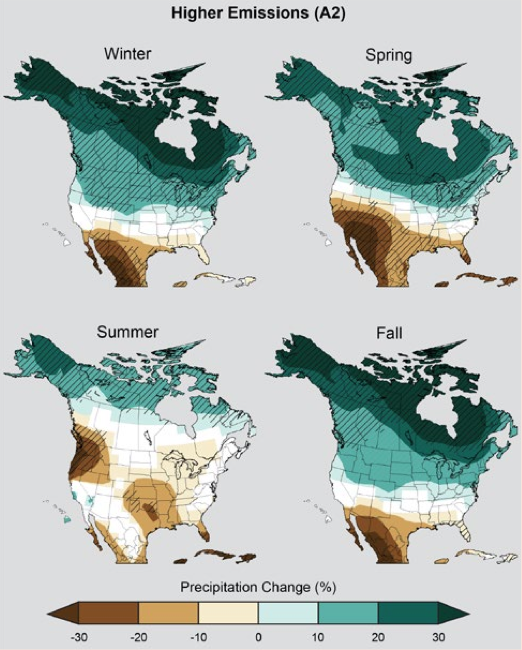
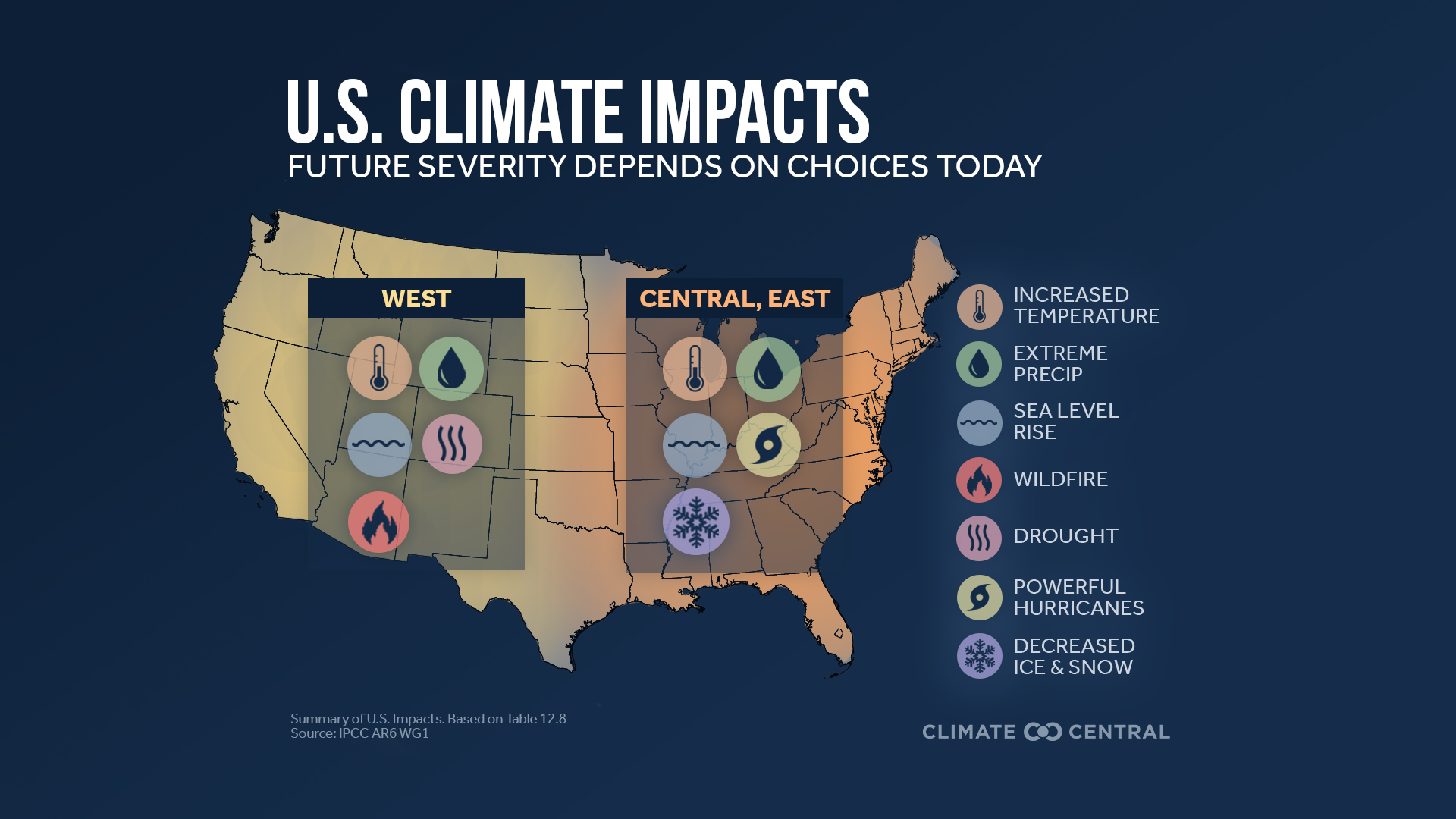
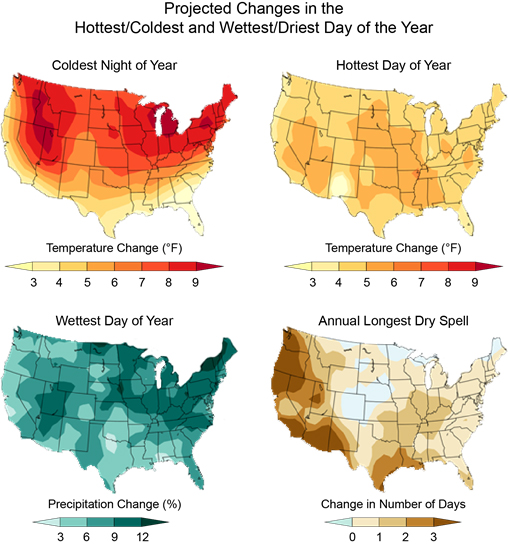
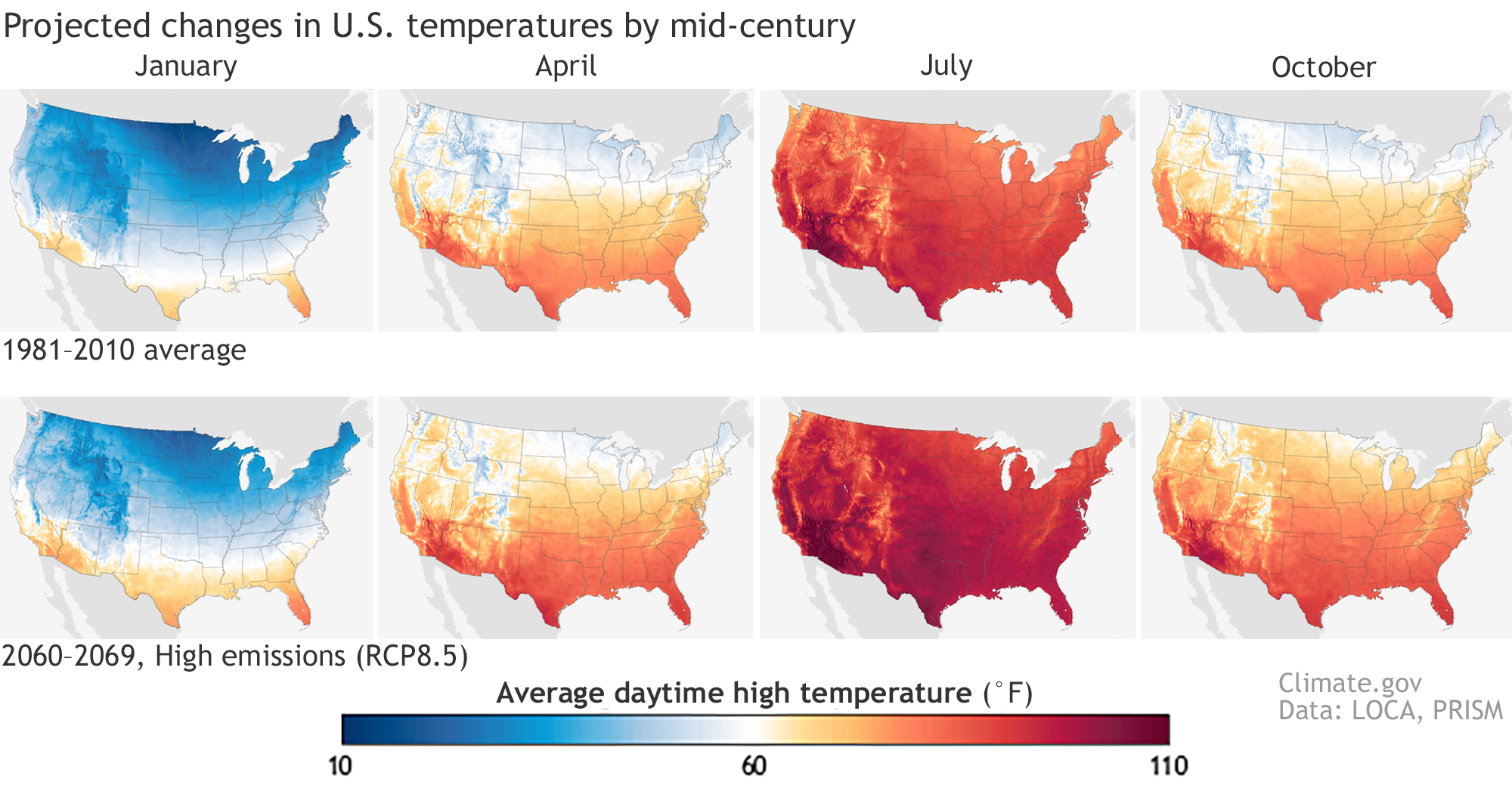
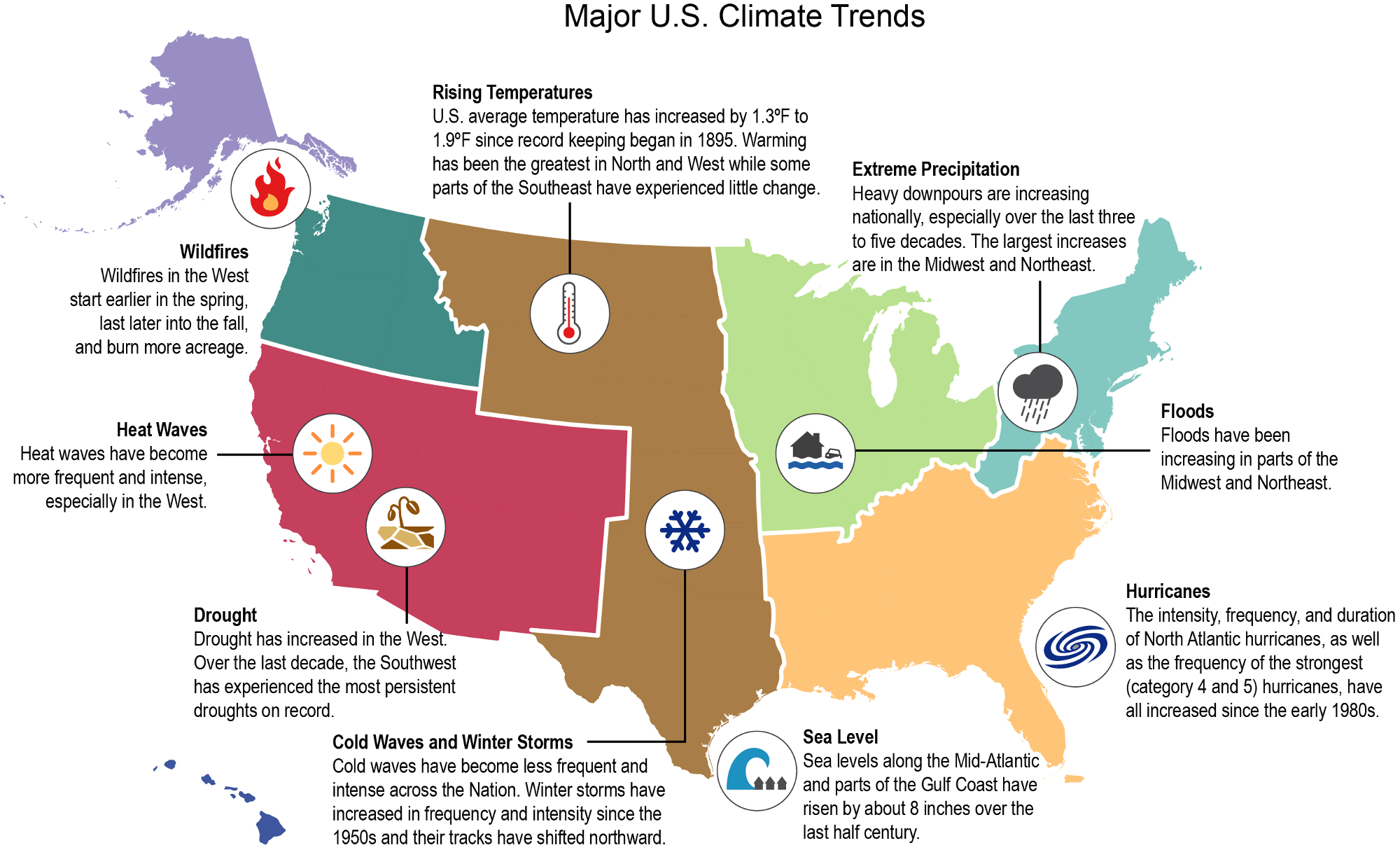
Okay, let's get specific. Climate change isn't just about warmer temperatures; it's about more extreme weather events. Think of more frequent and intense heat waves in the South and Southwest, potentially making outdoor activities unbearable during peak summer months. Coastal areas, like Florida and the Carolinas, face the increasing threat of sea-level rise and stronger hurricanes, impacting property values and even forcing some communities to relocate. Up North, you might see shorter, less reliable ski seasons and changes in the types of fish that thrive in your local lakes. Out West, expect more devastating wildfires due to drier conditions and longer fire seasons. Farmers across the country will face challenges from altered growing seasons, unpredictable rainfall, and new pests.
Must Read
Here are a few examples to illustrate the variety of impacts. A gardener in California might need to switch to drought-resistant plants. A family planning a beach vacation might want to consider visiting in the spring or fall to avoid the peak of hurricane season. A birdwatcher in the Midwest might notice shifts in bird migration patterns and have to adjust their observation strategies. And a skier in Vermont might start exploring alternative winter activities like snowshoeing or cross-country skiing when the downhill slopes aren't ideal.
So, what can you do to get started? First, educate yourself! Read articles, watch documentaries, and talk to experts. Second, explore your local area and research how climate change is projected to affect it. There are tons of online resources and reports available. Third, make small changes in your daily life. Reduce your carbon footprint by driving less, using less energy, and consuming less. Even seemingly small actions, when taken collectively, can make a difference. Support businesses and organizations that are working to address climate change.
Understanding the potential impacts of climate change on the United States isn't just about facing a challenge; it's about empowering yourself with knowledge and taking proactive steps to protect what you love. Whether it's ensuring your family's safety, adapting your favorite hobby, or simply becoming a more informed citizen, this knowledge is valuable. And who knows, maybe you'll even discover a newfound appreciation for the natural world and the importance of preserving it for future generations.