
How To Work Out Tensile Stress

Imagine a grand, slightly silly, game of tug-of-war happening right in your living room. Maybe it's not a rope, but an extra-long piece of licorice. Everyone pulls, and the licorice stretches, and stretches, and then... snap! Or maybe it holds!
We're talking about the secret magic behind why some things stretch gloriously and others just give up and break. It's not about complicated formulas; it’s about understanding a delightful balance between how hard you’re pulling and how much "stuff" is doing the resisting.
This is the fun, everyday challenge of working out something we call stretch-pressure. It's less about math and more about common sense, wrapped in a bit of wonder.
Must Read
The Mighty Pulling Power
First, let's think about the "pull." Picture a tiny squirrel trying to open a peanut. That’s a small, determined pull, full of furry resolve.
Now, imagine a whole family trying to open a stubborn jar of pickles! Much bigger effort, often accompanied by grunts and groans.
Whether it’s one determined toddler tugging a favorite blanket or a whole cheerleading squad pulling on a spirit banner, it’s all about the sheer oomph behind the action. This is our first secret ingredient.
We can feel it, measure it (if we’re feeling scientific), and definitely witness its effects. It’s the "how much" factor, the force applied, the collective strength that wants to stretch something out.
Think of it as the enthusiasm, the drive, the pure desire to extend something. The more people pulling, the bigger this "pulling power" becomes.
It's the force of friendship during a community clean-up, or the strength of a curious kitten investigating a dangling toy. This invisible energy is a major player in our stretching story.
The Sturdiness Factor
Next, let's turn our attention to the star of the show: the thing doing the stretching. Is it a delicate strand of spider silk, shimmering in the morning dew?
Or is it a mighty oak tree trunk, standing firm and unwavering against a blustery gale? There’s a big difference in how much they can handle.
This is about how much material is right there across the path of the pull, bravely resisting. We playfully call it the sturdiness factor, or its "thickness-across."
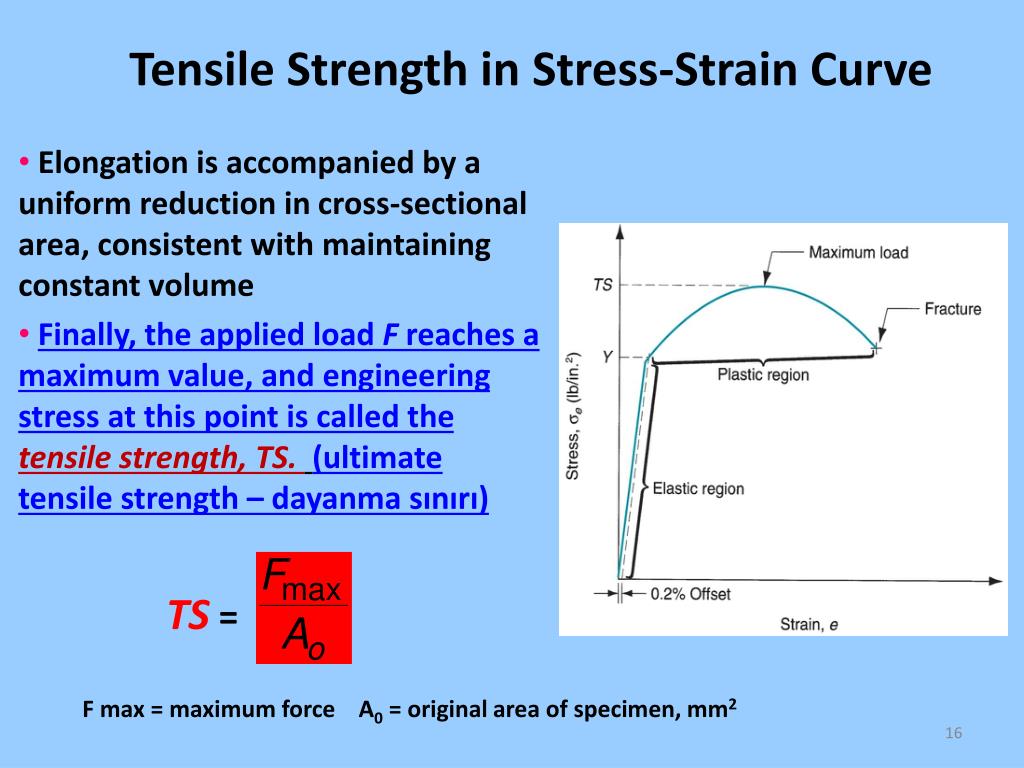
Imagine slicing through a banana. That lovely circle you see? That’s its "sturdiness footprint." A wider banana has a bigger footprint, more banana goodness ready to resist.
A single, slender spaghetti noodle has a tiny one. A thick garden hose used for watering summer flowers? Much, much bigger! It’s all about the cross-section, the width and depth of the material.
The more "stuff" across the line of fire, the better it can spread out that pulling power. It’s like having more shoulders to bear a heavy load.
This is the bulk, the generousness of the material that gives it resilience. It's the inherent strength of its structure, its inner refusal to surrender easily.
It’s the quiet confidence of a well-made leather belt versus the fleeting hope of a flimsy ribbon. This "sturdiness" is the unsung hero, the second critical part of our puzzle.
The Happy Harmony Equation
Now for the truly fun part! We take that pulling power and we gently spread it out over the sturdiness factor. It’s like spreading a delicious, thick jam on toast.
If you have a tiny cracker but a huge spoonful of jam, it gets piled on really thick, really fast. The cracker feels a lot of pressure.
But if you have a big, fluffy slice of sourdough bread, that same spoonful of jam spreads out thin and even. The bread feels happy and balanced.
That "thickness" of the jam, that concentrated feeling, that’s our measure of how much stretch-pressure is happening inside the material. It’s the "jam density" of our analogy.
It tells us, without getting bogged down in numbers, if something is feeling a gentle massage or a full-blown existential crisis. Is it coping gracefully, or is it screaming on the inside?
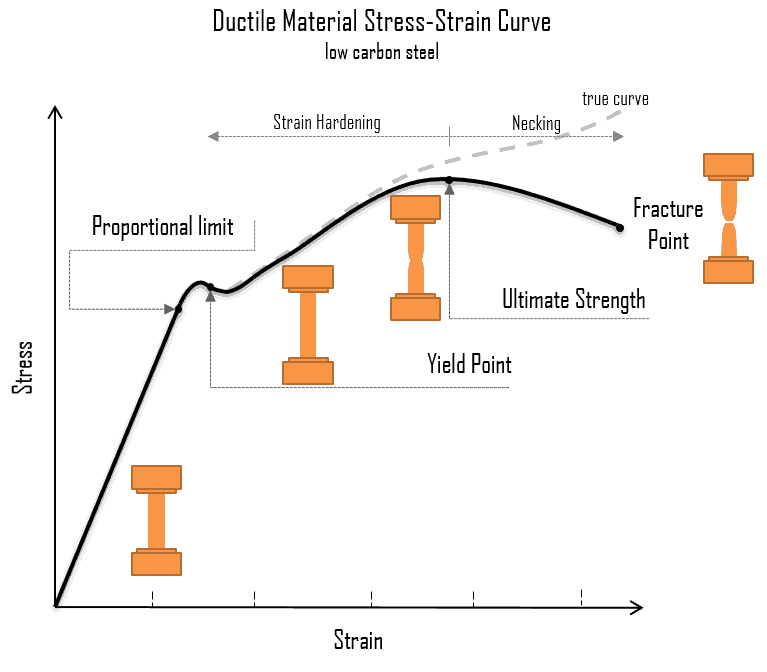
We are essentially finding out how hard each tiny bit of the material is being asked to work. Is it an even distribution, or are some parts carrying too much of the burden?
This simple act of spreading the pull over the sturdiness ensures everything remains harmonious, a happy dance of forces, not a frantic struggle. It's how we keep things from unexpectedly saying "pop!"
This delightful balance is what engineers, bakers, and even kids building blanket forts intuitively understand. It’s the secret to things holding together.
Swingset Saga: A Triumph of Trust
Picture a bright summer day, sun shining, birds singing. A group of neighbors, filled with community spirit, are excited to hang a new tire swing for the kids in the local park.
Little Timmy, full of boundless energy, is already dreaming of launching himself to the moon. The rope chosen looks strong, but how strong? Will it withstand his enthusiastic jumps?
They consider Timmy’s joyful leaps, and maybe even a few friends piling on for an epic group swing. That's our pulling power – the combined weight and swinging momentum of gleeful children.
Then they examine the rope itself. Is it a thin nylon string, barely thicker than a shoelace? Or is it a thick, braided marine-grade wonder, built for seafaring adventures? This is its sturdiness factor.
By mentally (or actually, with a quick glance!) comparing the possible "child-force" to the rope's "thickness-factor," they ensure the swing will be a source of laughter, not a surprising dive to the ground.
There’s a quiet, shared satisfaction in seeing kids soar, knowing that the simple "stretch-pressure" equation was balanced just right. It’s a small, heartwarming victory for community ingenuity.
The happy squeals echoing through the park are a testament to this understanding. It's the unwritten contract between object and force, ensuring fun and safety.
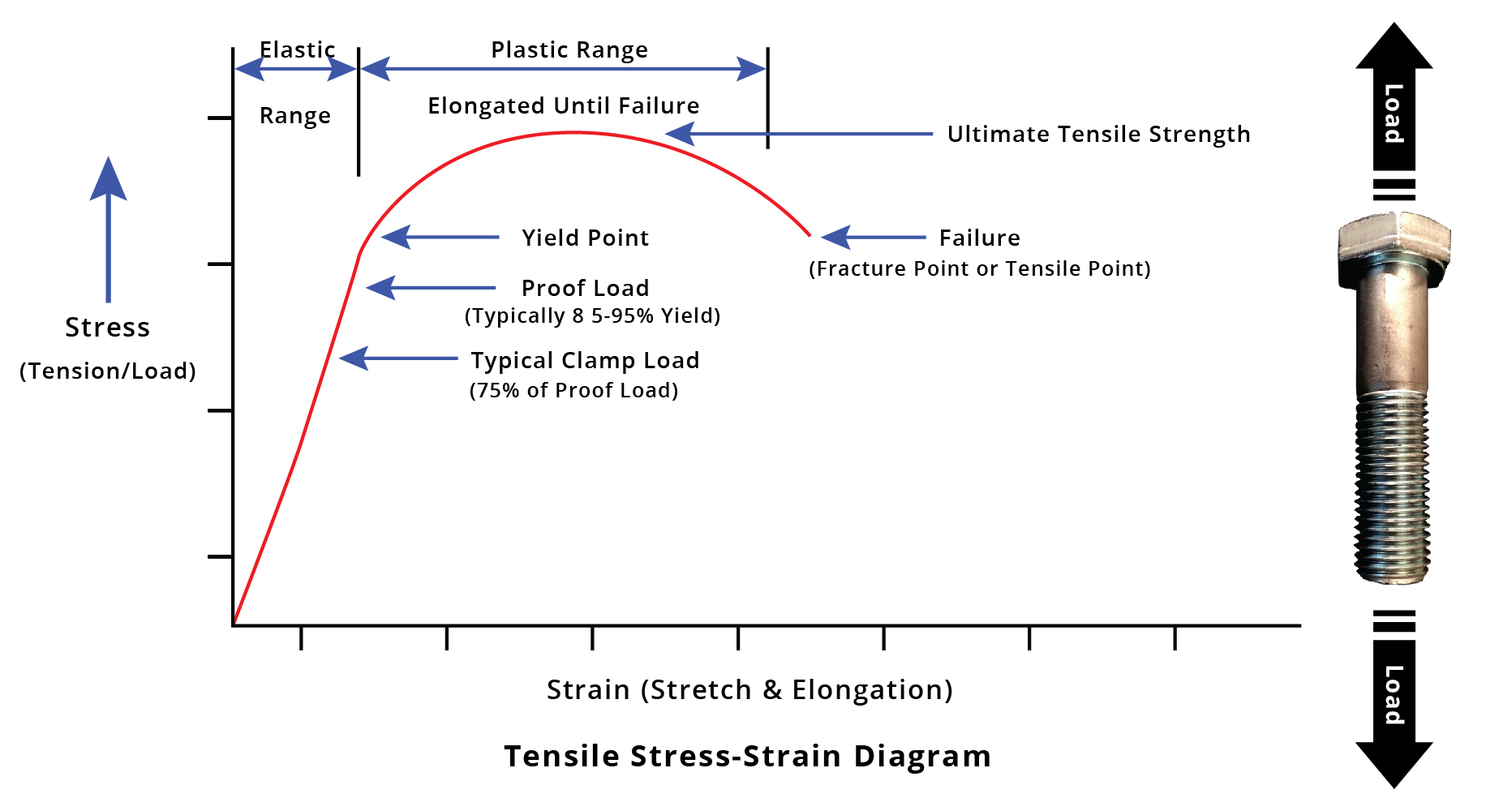
The Baker's Delight: Pretzel Perfection
Let's whisk ourselves into a cozy kitchen, where the comforting aroma of yeast and baking bread fills the air. A skilled baker is kneading dough for perfect pretzels.
She pulls, she stretches, she twists and coils. The dough must be strong enough to hold its intricate shape, yet pliant enough to stretch without tearing into sad little pieces. This is a culinary lesson in stretch-pressure.
The baker’s experienced hands apply a steady pulling power, carefully shaping the future pretzel. It’s a delicate dance of push and pull, a sculptor’s touch.
The dough itself, with all its tiny, miraculous gluten strands, provides the sturdiness factor. Too little gluten, and it breaks easily. Too much, and it won't stretch at all, resisting every effort.
The magic happens when the baker intuitively knows the perfect balance, creating that delightful chewiness and iconic twisted form. Each pretzel is a mini-engineering feat.
Every beautifully twisted pretzel that emerges golden-brown from the oven is a testament to an ancient, delicious understanding of how much pull a material can lovingly endure.
It's about coaxing the material, understanding its limits, and celebrating its capabilities. A warm pretzel, perfectly stretched, is pure joy.
Blanket Fort Engineers: Cozy Creations
Now, imagine a rainy Saturday afternoon, the perfect setting for the grand architectural project of a blanket fort. Living room furniture becomes the foundation for dreams.
Clotheslines are strung strategically between chairs, draped with every blanket, sheet, and towel in the house. It's a fabric tapestry of comfort and imagination.
The fort needs to withstand not only the cozy weight of all those fabrics but, inevitably, the happy occupants bouncing around inside with glee. Every bounce adds to the challenge.

The combined weight of the blankets and the playful leaps of the fort dwellers constitute the pulling power on the clothesline. It’s a dynamic, ever-changing force.
The clothesline itself, be it a skinny, forgotten string or a robust, plastic-coated wire, provides its unique sturdiness factor. Its thickness determines its fortitude.
A successful fort stands tall and proud, a testament to understanding how much "stretch-pressure" those humble lines can handle, ensuring a haven of imaginative play and whispered secrets.
There's a special kind of triumph when the last blanket is draped, and the entire structure holds firm, a tiny engineering marvel born of simple, intuitive understanding.
It’s a powerful feeling of accomplishment, knowing your cozy creation will stand strong against the playful chaos within. The fort holds!
The Joy of Holding On
So, next time you see someone pulling on a dog's leash, or feel the sturdy strap of your backpack, or even stretch a rubber band across a stack of papers, take a moment.
They are, in their own wonderful way, intuitively engaging with the joy of understanding pulling power and the sturdiness factor. It’s happening all around us, all the time.
It’s not just for engineers in hard hats; it's a delightful, surprising part of our everyday world, making sure things hold together so we can live, play, and create with confidence and a smile.
It’s the heartwarming reassurance that, sometimes, the simplest ideas keep our world wonderfully intact, allowing us to build, stretch, and dream without things unexpectedly going "snap!"
This quiet understanding underpins so much of our comfort and safety. It's a subtle but profound force, weaving reliability into the fabric of our daily lives.