How To Work Out Electricity Bill
Ever gazed at your monthly electricity bill, a colorful piece of paper filled with numbers and jargon, and felt a tiny pang of curiosity mixed with a dash of bewilderment? You’re not alone! It’s one of those essential things we all use daily, yet the inner workings of how that final number is calculated often remains a bit of a mystery. But what if I told you that understanding how to "work out" your electricity bill isn't just for number-crunchers or engineers? It's actually a pretty fun and surprisingly empowering skill to pick up!
The main purpose of getting to grips with your electricity bill is simple: to demystify your energy consumption. It’s like learning the secret language of your home appliances. Once you understand the basics, you unlock a wealth of benefits. You can start to pinpoint exactly where your money is going, identify energy vampires, and ultimately, find smart ways to save. Imagine having the power to look at your bill and say, "Aha! That spike last month was because of the extra heating during the cold snap, or maybe that old fridge finally gave up the ghost!" This knowledge isn't just about saving a few bucks; it’s about making conscious choices, reducing your environmental footprint, and feeling more in control of your household budget.
So, how does this play out in real life or even in education? In your daily routine, knowing how electricity is billed allows you to make informed decisions. Should you use the tumble dryer or hang laundry on the line? Is it worth unplugging unused electronics? When you see your bill broken down by kilowatt-hours (kWh) and unit rates, these decisions become clearer. You might realize that your vintage toaster is actually an energy guzzler, or that leaving lights on in empty rooms adds up. For younger learners, it's a brilliant way to introduce practical math and science concepts – understanding watts, kilowatts, and the concept of energy over time. It teaches basic financial literacy and even touches on environmental awareness, connecting energy use to carbon emissions. It’s a real-world application of classroom knowledge that has tangible results!
Must Read
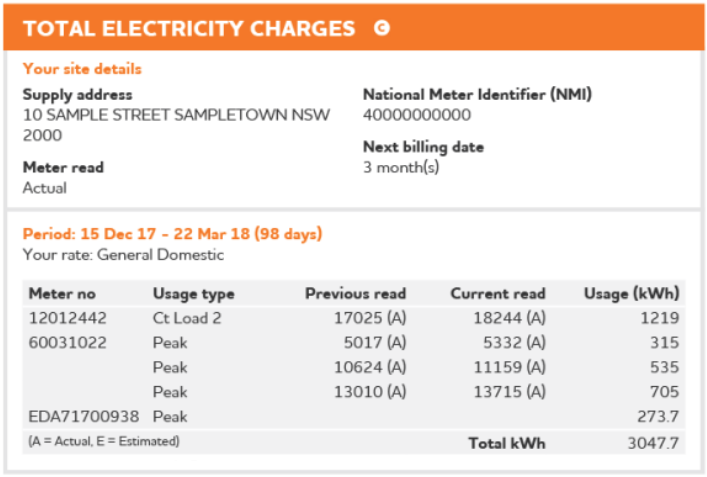
Ready to start your journey into energy enlightenment? Here are a few simple ways to explore: First, grab your latest bill. Don't just pay it; read it. Look for key terms like "kWh," "unit rate," and "standing charge." These are your building blocks. Next, find your electricity meter – usually outside your home or in a utility cupboard. See if you can match the readings on your bill to the numbers on the meter. For a more hands-on approach, consider buying a simple plug-in energy monitor (often called a Kill A Watt meter). Plug an appliance into it, then plug the monitor into the wall, and it will tell you exactly how much electricity that device is using. Spend a week tracking a few key appliances. Finally, try a small experiment: for just one day, be hyper-aware of your energy usage. Turn off lights when you leave a room, unplug chargers, and limit heavy appliance use. See if you can spot a difference when you compare meter readings or even just feel the shift in your household's energy rhythm. It’s a fascinating dive into the invisible world of energy, and who knows, you might just find a new superpower: the power of an informed consumer!