
How To Wire Multiple Outlets And Lights On Same Circuit
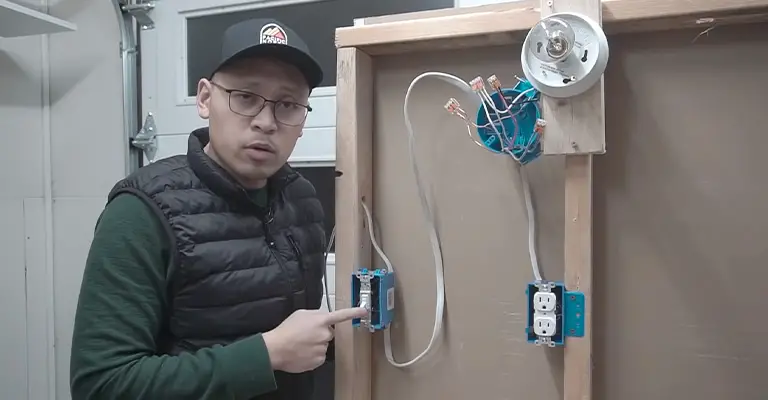
There's a certain satisfaction that comes from tackling a DIY electrical project. Maybe it's the feeling of empowerment, or the thrill of bringing light and power exactly where you need it. For many homeowners, understanding how to wire multiple outlets and lights on the same circuit is a gateway to creating more functional and convenient living spaces. It's about more than just plugging things in; it's about controlling your environment and customizing your home to fit your needs.
The benefits are pretty clear. Imagine you're adding a workshop in your garage. Instead of relying on a single, overloaded outlet, you can strategically place multiple outlets along the walls, perfect for power tools and work lights. Or picture renovating a kitchen: wiring several outlets along the counter makes using small appliances – blenders, toasters, coffee makers – a breeze. This knowledge empowers you to efficiently distribute power, preventing circuit overloads and potentially saving you money on hiring an electrician for minor upgrades. It also lets you tailor your lighting to create the perfect ambiance in any room, combining overhead lighting with lamps and accent lights all on the same, easily controlled circuit.
Common applications abound. Think of a living room with several lamps and a television plugged into a single circuit. Or a home office where the desk lamp, computer, and printer are all drawing power from the same source. Even holiday lighting, strung along a porch or across a room, often relies on wiring multiple outlets and lights together. Understanding how this works allows you to safely and effectively manage your electrical load.
Must Read
So, how can you enjoy (and execute) this task more effectively? Here are some practical tips:
- Safety First: This cannot be stressed enough. Always turn off the power at the breaker before starting any electrical work. Double-check with a non-contact voltage tester to ensure the circuit is dead. Never work on live wires.
- Plan Your Layout: Before you start running wires, carefully plan the placement of your outlets and lights. Consider the flow of your room, the location of furniture, and the intended use of each outlet. A well-thought-out plan minimizes the need for extension cords and future modifications.
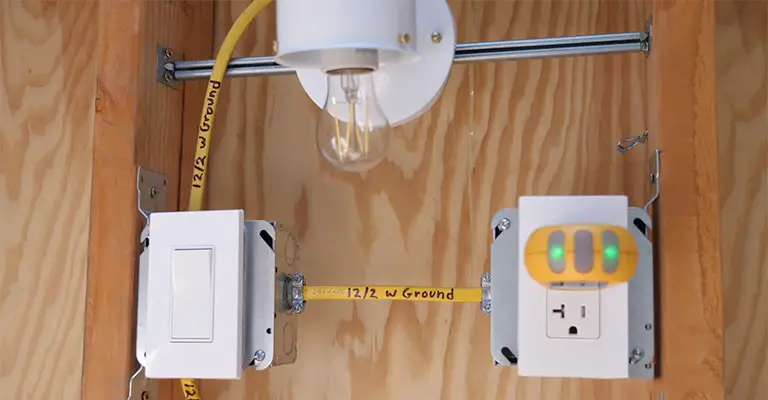
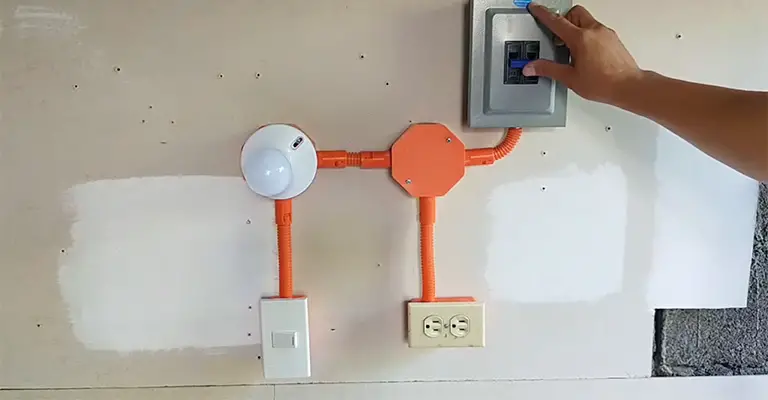
- Understand Wiring Basics: Learn the color codes for electrical wires: black (hot), white (neutral), and green or bare copper (ground). Familiarize yourself with wiring methods like daisy-chaining, where outlets are connected one after the other.
- Use the Right Tools and Materials: Invest in quality wire strippers, pliers, screwdrivers, and a voltage tester. Use the correct gauge wire for your circuit's amperage rating. Consult with a hardware store expert if you're unsure.
- Follow Local Codes: Electrical codes vary by location, so it's essential to familiarize yourself with the regulations in your area. Ignoring these codes can lead to dangerous situations and potential fines.
- Consider a Professional: If you're uncomfortable with any aspect of electrical work, don't hesitate to call a licensed electrician. It's always better to be safe than sorry. Electrical work can be dangerous, and a professional can ensure the job is done correctly and safely.
By following these tips and taking your time, you can successfully wire multiple outlets and lights on the same circuit, enhancing the functionality and enjoyment of your home. Remember to prioritize safety and consult with a professional if needed. Good luck, and happy wiring!

:max_bytes(150000):strip_icc()/tips-for-wiring-outlets-and-switches-1824668-12-0fe93a6a785d48bfa62c527820d0fb19.jpg?strip=all)