
How To Winterize A Vacant House
Alright, friend, let's talk about something that might sound a tad... well, dry at first glance: winterizing a vacant house. But hold on a second! Before your eyes glaze over, imagine this: you're not just performing a chore. You're becoming a superhero for a house, a guardian against winter's chill, and a master of future peace of mind. Seriously, this isn't just about preventing burst pipes; it's about setting yourself up for a seriously stress-free spring!
Picture it: winter storms brewing, temperatures plummeting. Most people are fretting, but you? You're cool as a cucumber, knowing that beautiful vacant house of yours is snug, safe, and sound. How does that sound for a little dose of everyday empowerment? Let’s dive into making that a reality, shall we?
The Water Works: Your First Line of Defense!
This is arguably the most critical step. Burst pipes aren't just an inconvenience; they're a full-blown watery disaster that can cost a fortune and create a nightmare of repairs. So, let’s be proactive water wizards!
Must Read
First things first: turn off the main water supply. You usually find this valve where the water line enters the house, often in the basement or utility area. A simple twist can save you untold grief. Ah, the power you hold!
Next, you’ll want to drain all the pipes. Go to the lowest faucet in the house (like a basement utility sink or outdoor spigot) and open it. Then, systematically open all other faucets, both hot and cold, upstairs and down. Flush toilets a few times. Don't forget the washing machine connections, dishwashers, and water heaters – you might need to drain those too! This isn't just about emptying the pipes; it's about airing them out, ensuring there’s no residual water left to freeze and expand.
And for an extra layer of superhero protection? Pour some non-toxic RV antifreeze down all drains, including toilets, sinks, and tubs. This prevents the water in the P-traps (those curvy pipes under sinks) and toilet bowls from freezing. Think of it as giving your house a cozy, internal blanket! It’s a small step that brings big peace of mind.

Power Down: Smart Energy Moves
While we want to keep the house safe, we also want to be smart about energy. Go around and unplug all non-essential appliances. Think toaster ovens, lamps, TVs, microwaves. Not only does this save a tiny bit of "ghost" electricity, but it also protects them from power surges while you're away.
Consider turning off circuit breakers for areas that won't be used, like the kitchen or bathrooms, after you've drained the water heater and other water-dependent appliances. Leave essential circuits on, though, especially if you have a security system or smart thermostat that needs power. This isn't just being practical; it’s being a mindful steward of the house and its resources!
Heating Harmony: A Warm, Not Wasted, Glow
You might be tempted to turn the heat completely off, but that can be risky, especially if any water was left behind or if you have certain types of heating systems. The golden rule is to set your thermostat to a minimal, but safe, temperature, usually around 50-55°F (10-13°C). This prevents deep freezes, protects the structure, and keeps things just warm enough to deter moisture issues without breaking the bank.
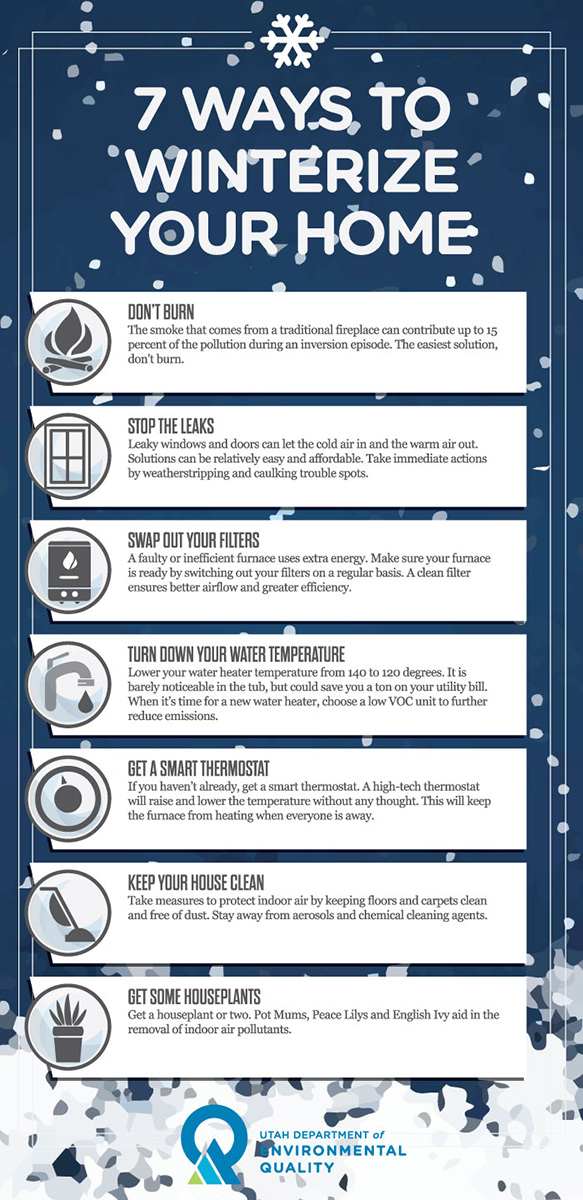
![How to Winterize a House for the Cold Weather [Infographic]](https://blog.nationwide.com/wp-content/uploads/2015/11/winterize-a-home-infographic.png)
If you have a smart thermostat, even better! You can monitor and adjust the temperature remotely, giving you a wonderful sense of control and connection, even from afar. Who knew winterizing could feel so high-tech and reassuring?
Security & Snuggles: Protecting Your Asset
A vacant house can sometimes look like an easy target, so let’s make it fortress-strong! Double-check all windows and doors to ensure they are securely locked. Consider adding extra locks or security bars if you feel the need. Are there any broken panes or gaps? Seal them up! Not only does this deter unwanted visitors, but it also keeps out drafts, making your heating efforts more effective.
You might also want to install some timer lights. Having lights turn on and off automatically in different rooms can create the illusion of occupancy, making the house seem less vacant. It’s a clever, low-effort trick that gives you peace of mind and shows off your strategic thinking!

Pest Patrol: Keep Unwanted Guests Out
Winter brings out the little critters looking for warmth. Don’t let your vacant house become their cozy Airbnb! Go around the exterior and interior, looking for any cracks, holes, or gaps. Seal them up! Use caulk for small cracks, steel wool for larger holes, and screen over any open vents. Check around pipes, wires, and even under doors.
And here’s a crucial one: remove all food sources. Clean out the fridge and pantry, and don't leave any crumbs behind. A clean house is a less attractive house for mice and insects. This simple act saves you from unpleasant surprises and keeps the house pristine for its next chapter. You’re not just winterizing; you’re being a master of cleanliness and prevention!
Exterior Excellence: The Outside Matters Too
Before you lock up and stroll away with a satisfied grin, take a quick look outside. Clean out your gutters and downspouts. Clogged gutters can lead to ice dams and water damage when snow and ice melt. Trim back any tree branches that are overhanging the roof or close to the house – heavy snow can bring them down, causing damage. Store away any outdoor furniture, tools, or anything that could be damaged by winter weather or become a projectile in a strong wind.

These exterior efforts aren't just about protecting the house; they’re about maintaining its curb appeal and preventing costly exterior repairs. It’s all part of being a savvy property protector!
The Uplifting Takeaway: More Than Just Maintenance!
So, there you have it! What might have seemed like a daunting list is actually a powerful roadmap to peace of mind. Every step you take in winterizing a vacant house isn't just a chore; it’s an act of care, foresight, and self-empowerment. You're not just protecting bricks and mortar; you're protecting future possibilities, saving money that can be spent on fun experiences, and ensuring that whenever that house is ready for its next inhabitants, it will be in prime condition.
Imagine the feeling: walking away, knowing you’ve done everything to secure and safeguard that space. That sense of accomplishment, that quiet confidence – that's what winterizing truly offers. It’s about taking control, being prepared, and embracing the satisfaction of a job well done. Want to dive even deeper into property care and unlock more practical superpowers? Keep exploring, keep learning, and keep enjoying the incredible satisfaction of being truly prepared!