
How To Winterize A Mobile Home That Is Vacant
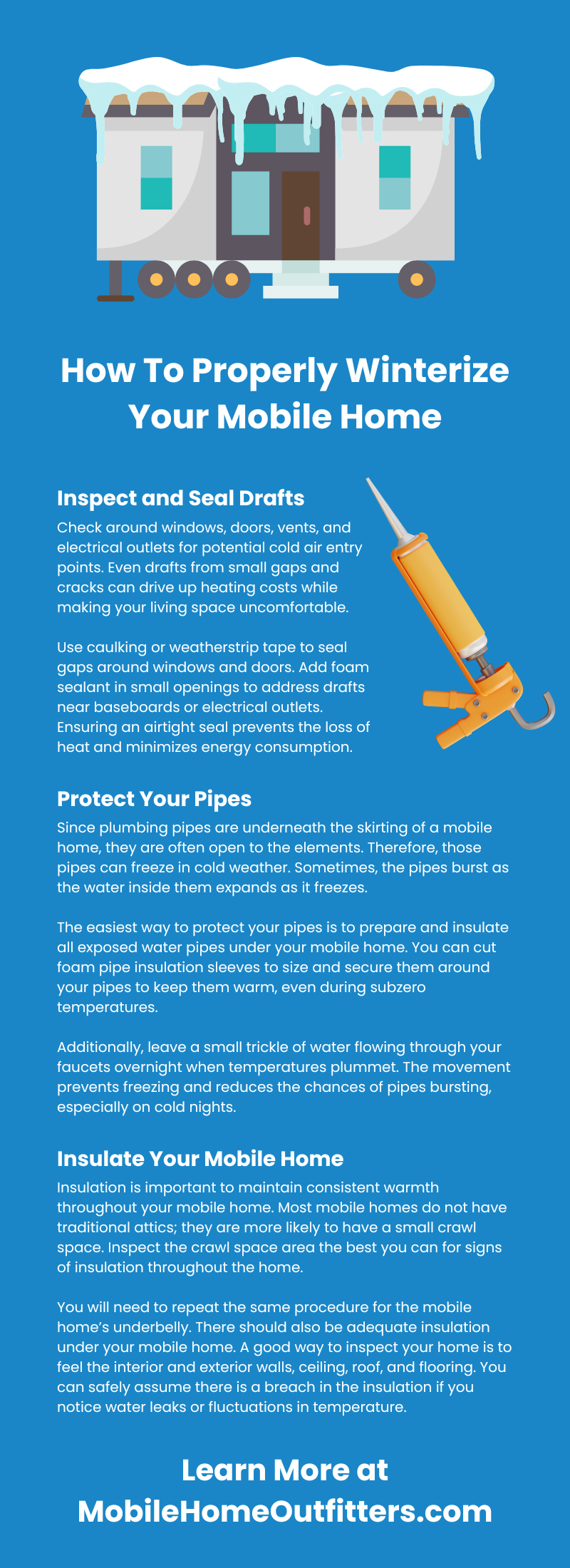
So, you've got a mobile home sitting empty for the winter? Maybe it's a vacation spot you only use in the summer, or perhaps you're in between renters. Whatever the reason, that little house on wheels needs some love before the snow flies.
Water Works Woes
First things first: water. It's the lifeblood of a home, but in freezing temperatures, it can become a destructive force of nature. Think of it as an overenthusiastic toddler with an ice-making machine.
Draining the System
Turn off the main water supply. This is usually located outside, near the street or well. Locate the valve and give it a good twist – righty tighty, lefty loosey, as they say.
Must Read
Open all the faucets, both hot and cold. Let gravity do its thing. It's like giving your pipes a giant sigh of relief.
Don't forget the toilet! Flush it until the bowl is empty. You can even use a sponge to soak up any remaining water in the tank.
Now for the fun part: the water heater. Turn off the gas or electric supply. Then, locate the drain valve at the bottom and attach a hose to direct the water away from the home's foundation.
Open the pressure relief valve at the top of the tank to help the water drain faster. It might gurgle and groan a bit – that's just its way of saying goodbye.
Finally, disconnect any hoses, like your washing machine hoses. Drain them completely. Store them indoors if possible to prevent cracking.
The Antifreeze Option
If you're in a particularly cold climate, consider adding RV antifreeze to your plumbing system. It's like giving your pipes a cozy, protective blanket.
Bypass the water heater (check your owner's manual for instructions). Then, pour antifreeze into each drain – sinks, tubs, and showers. Flush the toilets until you see antifreeze in the bowl.
This ensures that even if a little water remains, it won't freeze and cause damage. Think of it as a final, preemptive strike against the forces of frost.
Fighting the Freeze
Water isn't the only thing that can suffer in the cold. The whole house needs some protection.
Insulation Investigation
Check the insulation around your pipes. If it's damaged or missing, replace it. It's like wrapping a scarf around your pipes to keep them warm.
Pay special attention to areas where pipes are exposed to the outside, like under the mobile home. A little extra insulation can go a long way.
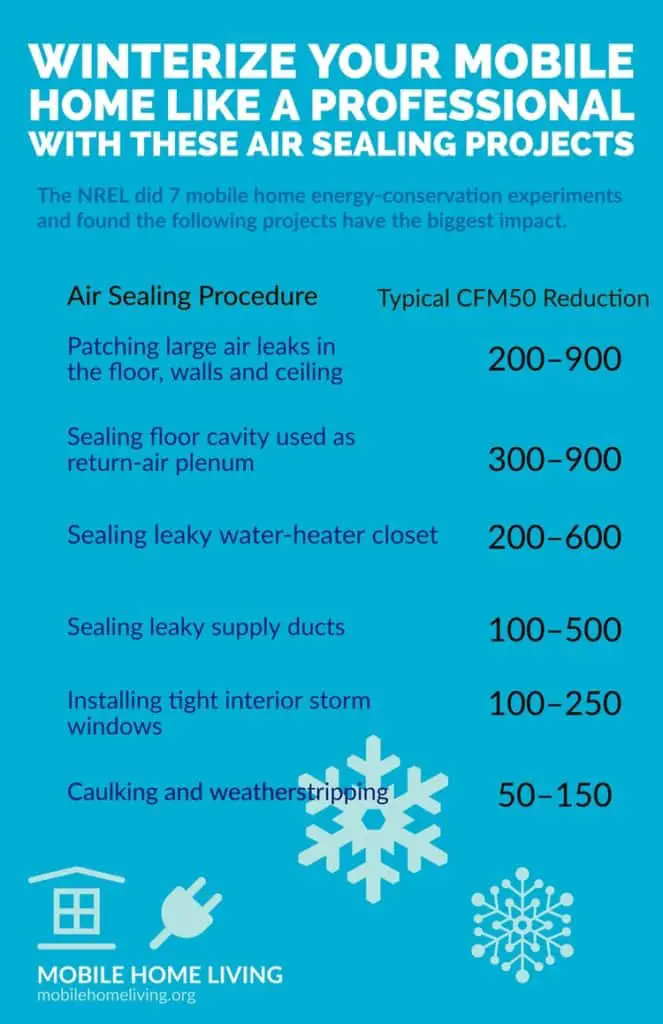
Seal any cracks or gaps around windows and doors with caulk or weather stripping. This will prevent drafts and help keep the home warmer. It’s like giving your house a good, tight hug.
Skirt Support
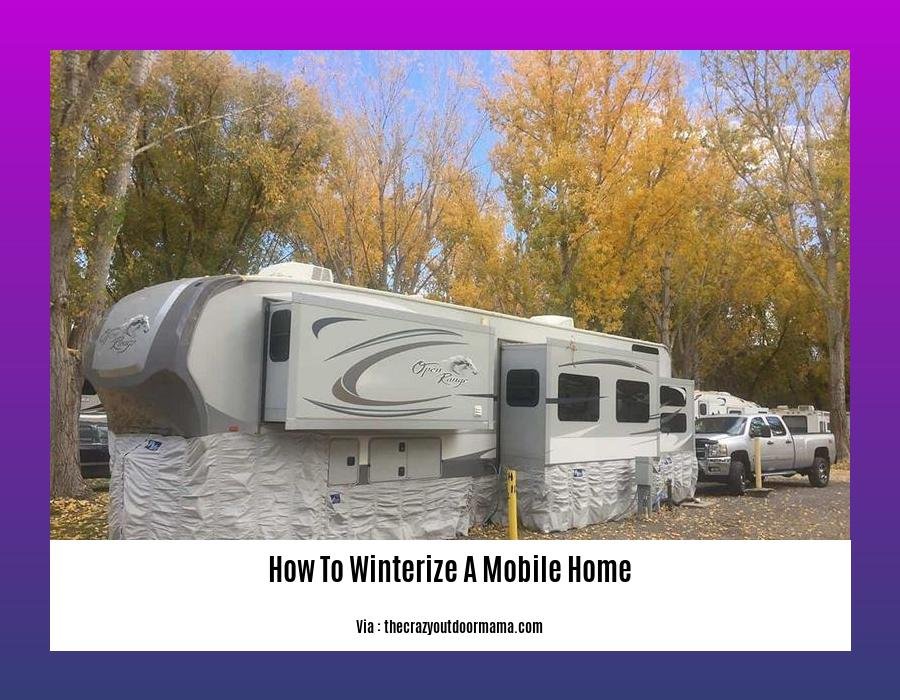
If your mobile home has skirting, make sure it's in good condition. Skirting helps to insulate the underside of the home and protect the pipes from freezing temperatures. It's like giving your home a stylish winter coat.
Check for any holes or gaps in the skirting and repair them as needed. You can use plywood, foam board, or even heavy-duty plastic. Think of it as patching up your home's armor against the cold.
Appliance Amnesty
Unplug all appliances to prevent power surges. This includes the refrigerator, oven, microwave, and any other electrical devices. It's like putting your appliances into hibernation for the winter.
Leave the refrigerator door slightly ajar to prevent mold and mildew from growing. It’s like giving your fridge a chance to breathe.
Critter Control
Empty mobile homes are prime real estate for unwanted guests. Mice, rats, and other critters love to find a warm, dry place to spend the winter.
Seal the Sanctuary
Seal any potential entry points, such as cracks in the foundation, gaps around pipes, and holes in the siding. Steel wool is a good option for filling small holes, as rodents can't chew through it.

Check around pipes and utility lines, as these are common entry points. It’s like setting up a security system for your home.
Deterrent Deployment
Set out mouse traps or bait stations to catch any critters that do manage to get inside. Choose traps or bait that are safe for pets and children, if necessary.
Consider using natural deterrents, such as peppermint oil or dryer sheets. Mice are said to dislike the smell of peppermint, and dryer sheets can help to keep them away. It's like creating a "keep out" zone with pleasant aromas.
Security Strategies
An empty mobile home can be a target for thieves. Take steps to protect your property from vandalism and theft.
Light the Lookout
Install motion-sensor lights around the perimeter of the home. This will deter burglars and make it easier to spot any suspicious activity. It's like giving your home its own personal bodyguard.
Lock it Up
Make sure all doors and windows are securely locked. Consider installing deadbolt locks on exterior doors for added security. It’s like putting up a fortress around your home.
Neighborhood Network
Ask a trusted neighbor to keep an eye on the property. They can check for any signs of trouble and alert you if anything seems amiss. It's like having a friendly guardian angel watching over your home.
Final Farewell
One last walk-through is key. Double-check that all faucets are off, the water is drained, and the doors and windows are locked.
Leave a note with your contact information in case of emergency. This will allow someone to reach you quickly if there's a problem.
Now, you can rest easy knowing that your mobile home is ready to face the winter. It's like sending your little house on wheels off to a cozy hibernation, ready to be awakened in the spring.
Remember, a little preparation can save you a lot of headaches (and money) in the long run. Happy winterizing!
Think of it as giving your mobile home a big, warm hug before tucking it in for a long winter's nap. And who knows, maybe it will dream of sunny days and happy campers until you return!
So, there you have it. Winterizing a vacant mobile home might sound like a chore, but it's really just a series of small, manageable steps. And with a little planning and elbow grease, you can protect your investment and ensure that your little house on wheels is ready for anything that winter throws its way.