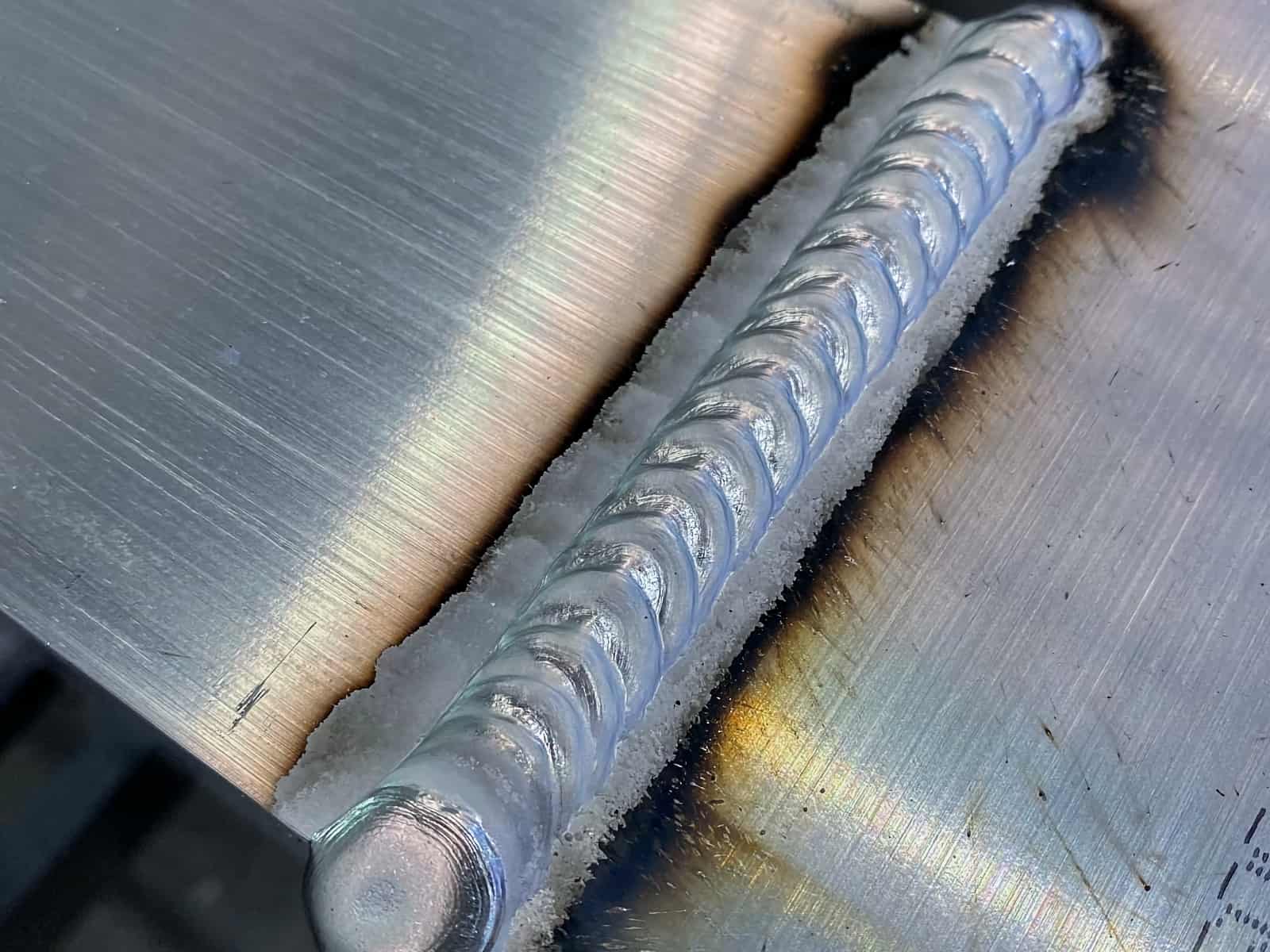
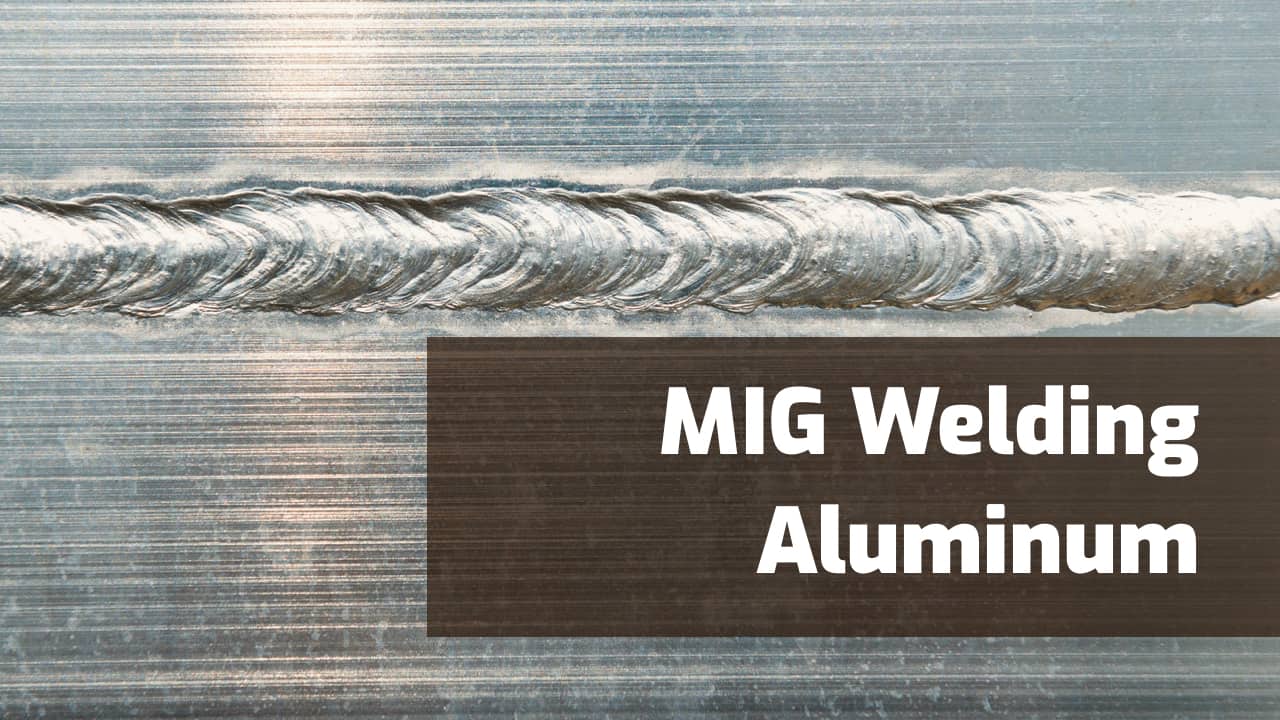
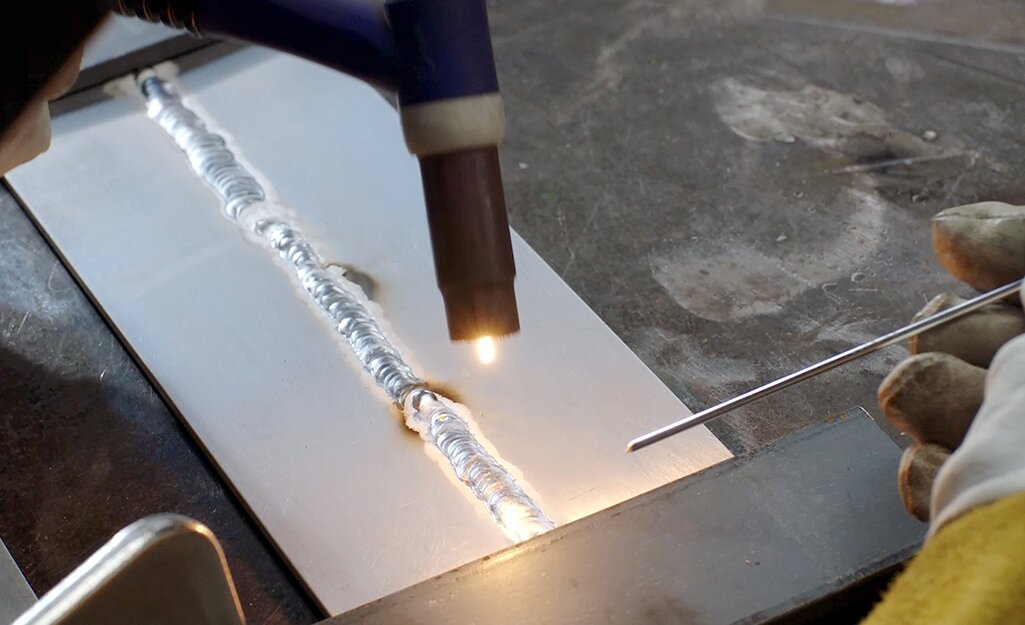
How To Weld Aluminum With Mig

Ever look at a sleek aluminum boat, a lightweight bicycle frame, or even a sturdy outdoor grill and think, "I wonder if I could fix or even build something like that?" Well, you absolutely can! Welding aluminum with a MIG welder might sound a bit intimidating at first, but it's a wonderfully rewarding skill that opens up a whole new world of DIY possibilities. It's popular because aluminum is everywhere – it's strong, lightweight, and best of all, it doesn't rust, making it ideal for everything from automotive repairs to marine projects. Learning to work with it is incredibly satisfying and surprisingly accessible.
For beginners, mastering aluminum MIG welding means you can tackle those annoying repairs around the house that previously seemed impossible. Think about fixing a wobbly aluminum patio chair, repairing a crack in a garden tool, or even patching up a recreational vehicle. Families can benefit by repairing outdoor gear like boat trailers, tent poles, or custom-building storage solutions that are both durable and light. Hobbyists, on the other hand, can truly unleash their creativity, fabricating custom brackets for car modifications, building unique art pieces, or even creating lightweight frames for remote-controlled vehicles or custom furniture. The ability to join aluminum pieces reliably and cleanly is a game-changer for any project involving this versatile metal.
The beauty of aluminum welding is its versatility. You could be repairing a dinged aluminum canoe one day and building a custom roof rack for your car the next. Imagine fabricating a lightweight toolbox for your truck or even creating decorative garden trellises that will withstand the elements for years. While there are other ways to weld aluminum, MIG (Metal Inert Gas) is often favored for its speed and relatively easier learning curve compared to TIG for thicker materials, making it a great entry point into aluminum fabrication.
Must Read
Ready to jump in? Here are some simple, practical tips to get you started. First, cleanliness is paramount when welding aluminum. Any grease, dirt, or oxidation on the surface will contaminate your weld. Use a dedicated stainless steel wire brush (never used on steel!), then wipe with acetone or a degreaser right before welding. Second, you'll need the right setup: a MIG welder capable of handling aluminum (often requiring an AC output and a spool gun or push-pull gun), 100% argon shielding gas, and aluminum welding wire. Third, aluminum requires more heat than steel, so your settings will be "hot and fast." Don't be afraid to crank up the voltage and wire feed speed. Finally, your technique is a bit different – you'll want to "push" the weld puddle (pushing the gun away from the weld) rather than dragging it, which helps remove impurities and provides better shielding. Practice on scrap pieces to get a feel for the speed and heat.
Welding aluminum with MIG is a skill that delivers immense satisfaction. There’s a real thrill in turning separate pieces of metal into a strong, unified creation. So grab your gear, remember those key tips, and get ready to unlock a whole new world of practical repairs and creative projects. The value and enjoyment you'll gain from this skill are truly immeasurable!