How To Use A Compression Tester
Ever felt that satisfying "aha!" moment when you figure something out about your car? It's like being a detective for your own ride, and trust me, there's a whole world of satisfaction in understanding what makes your engine tick. One of the coolest, yet surprisingly straightforward, tools in this automotive detective kit is the compression tester. It might sound super technical, but it’s actually a fantastic way to peek inside your engine's health without a complicated teardown. Think of it as taking your car's blood pressure – a quick check that tells you a lot about its overall well-being. It’s empowering, budget-friendly, and honestly, a bit fun when you start getting readings and interpreting them!
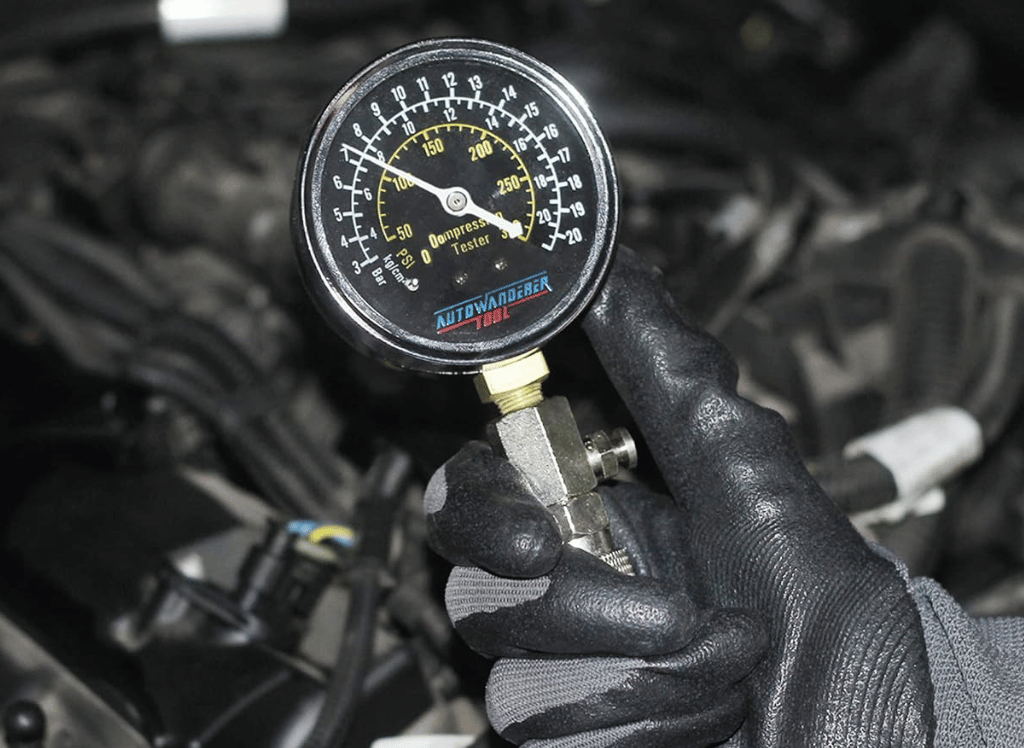
So, what exactly is a compression tester for? Simply put, it measures how much pressure each cylinder in your engine can build up. This pressure is vital for making your car go! If a cylinder can't build good pressure, it's a sign something isn't sealing properly, leading to a host of issues like poor performance or misfires. For beginners, it's an incredible tool for understanding fundamental engine mechanics and a great first step into DIY diagnostics. For families or those on a budget, it can save you a bundle on mechanic's fees by helping you pinpoint problems early or even prevent you from buying a lemon. Imagine checking a used car's engine health before you hand over your hard-earned cash! And for hobbyists or car enthusiasts, it's essential for tuning, troubleshooting specific performance issues, or just keeping a close eye on your prized project car's health over time.
You'd pull out a compression tester for a few key reasons. Maybe your engine is running rough, feels like it's lost power, or you hear an odd ticking sound. It's the go-to test when you suspect an internal engine problem like a worn piston ring, a leaky valve, or even a blown head gasket. The beauty is, the test itself is quite simple. You'll typically find two main types of testers: those that screw into the spark plug hole and those that have a rubber cone you push in. Both work on the same principle: block the hole and measure the peak pressure as the engine cranks. Understanding the difference between a "dry" test and a "wet" test (where you add a little oil to the cylinder) can also give you more clues about whether the issue is with the rings or the valves.
Must Read
Ready to give it a try? Here are some simple, practical tips to get you started. First, and this is crucial, always make sure your engine is warm (but not scorching hot) before testing. This gives more accurate readings. Second, for safety and accuracy, you'll need to disable your ignition system (often by disconnecting the coil or fuse) and your fuel system to prevent the engine from starting or flooding. Third, remove ALL spark plugs from every cylinder – this allows the engine to crank freely. Fourth, make sure your car battery is fully charged! You'll need consistent cranking power. When testing, hold the throttle wide open to let in maximum air, and crank the engine for the same number of revolutions for each cylinder (e.g., 5-7 times). Most importantly, record your readings for each cylinder. What you're looking for isn't just a high number, but consistency across all cylinders. Significant differences between cylinders often point to a problem.
Ultimately, using a compression tester is more than just a repair task; it's an act of empowerment. It gives you valuable insight into the heart of your vehicle, helping you make informed decisions, save money, and build your confidence under the hood. There’s a genuine sense of accomplishment that comes with understanding your car better, and this simple tool is a fantastic gateway to that knowledge and enjoyment.