
How To Unlock A Locked Bedroom Door Without A Key

Ever had that moment? You step out of your bedroom for just a second, maybe to grab a quick snack, and bam! The door swings shut, and that familiar click sends a tiny shiver down your spine. Your key? Probably still chilling on your nightstand, blissfully unaware of your predicament. Sound familiar? Don't worry, you're not alone! It's a common domestic drama, but here's the cool part: unlocking a locked bedroom door without a key isn't some black magic or high-tech espionage. It's often just a matter of understanding a little bit about how these everyday locks actually work.
Now, before you imagine yourself starring in a heist movie, let's be super clear: we're talking about your own bedroom door, the kind with a simple privacy lock, not Fort Knox. This isn't about breaking in; it's about a little problem-solving and a dash of MacGyver-esque resourcefulness. Think of it less as "picking a lock" and more like "whispering sweet nothings" to your door until it gently opens. Pretty cool, right?
Why is this even interesting?
Good question! Beyond the immediate relief of not sleeping on the couch, there's something genuinely fascinating about demystifying the mechanisms that govern our daily lives. These locks are designed for convenience and a basic level of privacy, not impenetrable security. Understanding them turns a frustrating situation into a mini-puzzle, and who doesn't love solving a good puzzle? It's empowering to know you can handle these little hiccups yourself. It's like learning a secret handshake with your own home.
Must Read
Most common interior bedroom doors use what's called a privacy lock. These are super simple. You've probably seen them: a button you push to lock from the inside, or a small twist-knob on the inside handle. From the outside, you'll often see a tiny hole in the center of the doorknob or handle. That little hole is your secret weapon, your gateway to freedom! It's there specifically for those "oops, I locked myself out" moments.
The Classic Paperclip Gambit
This is arguably the most famous, and for good reason: it works wonders on most privacy locks. Imagine your door lock is just a sleepy guard, and you just need to gently poke it awake.
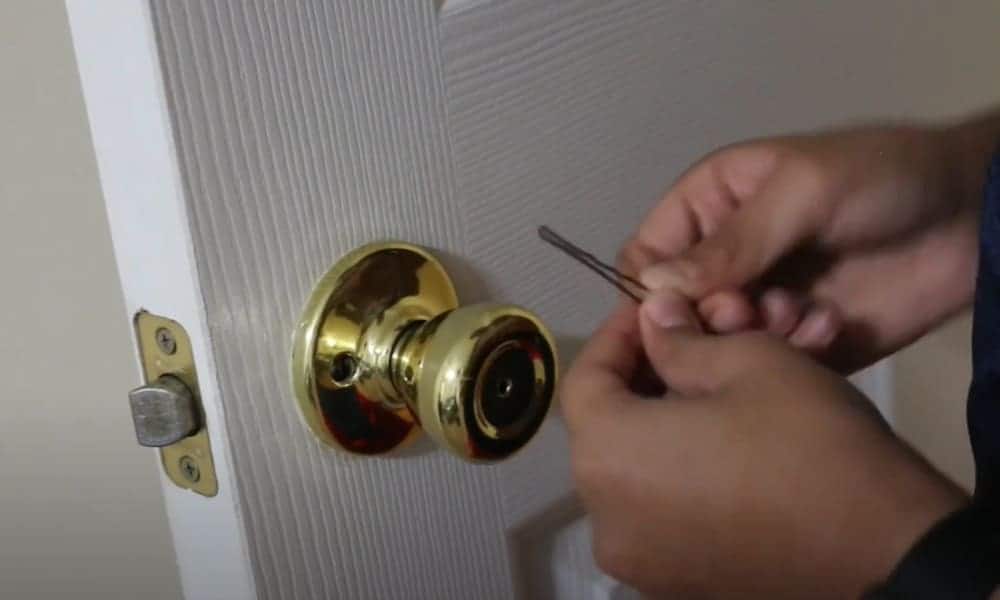
First, you'll need a tool. What's often lying around? A humble paperclip, a bobby pin, or even the straight end of a small eyeglass screwdriver. The key (pun intended!) is something thin, rigid, and able to fit into that small hole.
Unbend your chosen tool so you have a relatively straight piece. Now, locate that small, circular hole on the outside doorknob. Gently insert the straight end of your paperclip (or whatever you're using) into the hole.
Once it's inside, you're not trying to pick tumblers like a safecracker. Instead, you're usually looking for a tiny button or a slot that you need to either push in or twist. It's surprisingly simple. Push the paperclip straight in. You might feel a little give, a subtle click, or just a soft resistance. If you don't feel anything immediately, try jiggling it slightly while applying gentle pressure. Sometimes a little twist helps.
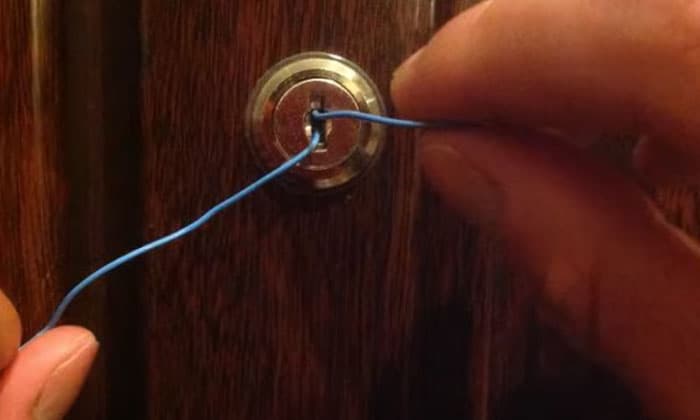
The moment you hit that sweet spot, you'll often hear a soft click, or the knob will simply spring open. It's like finding the door's tickle spot! Once you feel that release, turn the doorknob as you normally would, and voila! Freedom! It's oddly satisfying, isn't it? It feels a bit like you've just performed a mini magic trick.
What if there's no visible hole?
Sometimes, especially with older doors or different styles of privacy locks, there might not be that obvious little hole. Don't despair! This usually means your door has a spring latch that simply clicked shut, without the internal privacy mechanism engaged. This is where a little finesse and a credit card (or any stiff piece of plastic, like an old gift card or library card) comes into play.
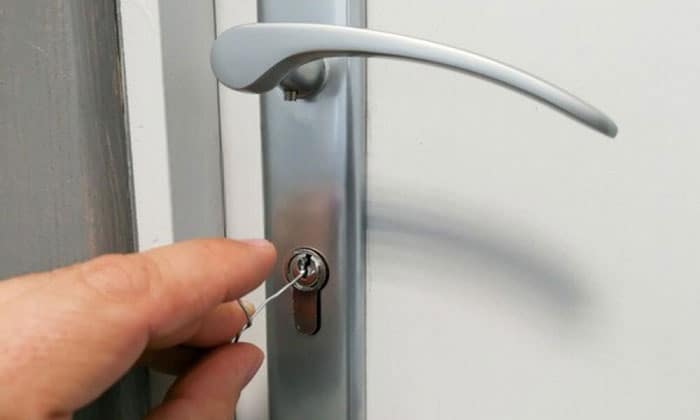
This method requires a bit more artistic flair, like a surgeon gently guiding a tool. Slide your chosen card between the doorframe and the door itself, right where the latch bolt is. Angle the card towards the doorknob. The goal is to use the card's edge to push the angled part of the latch bolt back into the door.
It's like giving the latch a gentle, persuasive nudge. You might need to wiggle the card up and down, or even bend the door slightly (gently!) to create a bit more space. Sometimes, a swift downward push on the door while wiggling the card helps. Patience is key here, and remember: gentle persuasion, not brute force. You want to glide it open, not smash it.
The "Cool Factor" and Beyond
Beyond the immediate relief, there's a certain satisfaction in understanding the simple mechanics of things around us. This isn't just about unlocking a door; it's about seeing beyond the obvious and realizing that many everyday problems have surprisingly simple solutions. It makes you look at other common objects and wonder, "How does that really work?"

Think of it as gaining a superpower – the power of observation and practical problem-solving. It saves you time, money (no locksmith call!), and that awkward feeling of asking someone else for help with something so basic. You've become the master of your own domain, even when your door tries to play tricks on you.
A Gentle Reminder
Always remember, this knowledge is for your personal use, for those accidental lockouts. It’s about being resourceful and understanding how common household items function. Be gentle with your door and lock mechanism; you don't want to bend anything or cause damage. If you're really stuck, or if it's a more complex lock (like a deadbolt, which this article doesn't cover!), it's always best to call a professional locksmith.
So, the next time your bedroom door decides to play hide-and-seek with your key, don't panic! Grab a paperclip, channel your inner curious detective, and unlock the mystery. It's not just opening a door; it's opening your mind to the fascinating simplicity of the world around you. Happy unlocking!