How To Turn On A Circuit Breaker

Ah, the sweet symphony of modern life: the gentle hum of the refrigerator, the bright glow of your screen, the glorious whir of your coffee machine. But then, it happens. A sudden, jarring silence. The lights go out. Your device dies. It's the universal signal that something has gone awry, and often, the culprit is a tripped circuit breaker. While it might feel like a minor apocalypse at the moment, learning how to wrangle your circuit breaker is akin to gaining a superpower – the power to instantly restore order and light to your kingdom!
So, what exactly is this magical box of switches doing? Think of your circuit breaker as the ultimate unsung hero of your home. Its primary purpose is to act as a safety valve for your electrical system. When too much electricity flows through a circuit (an overload, perhaps from that hair dryer, toaster, and kettle all running simultaneously), or when there's a short circuit, the breaker intentionally "trips" and cuts off the power. This isn't to annoy you; it's to protect your appliances from damage and, more importantly, to prevent electrical fires. It’s the silent guardian, ensuring your home remains a safe and well-lit haven.
You'll encounter your friendly circuit breaker in a variety of everyday scenarios. Perhaps you've overloaded an outlet with a festive array of holiday lights, pushing your circuit to its limits. Maybe you've just moved into a new home and discovered the previous owner loved ancient, power-hungry gadgets. Or, perhaps you’re simply performing routine maintenance, flipping a breaker off to safely install a new light fixture. These moments, far from being stressful, are actually opportunities to understand your home’s electrical personality and become a more empowered homeowner. It’s a common occurrence, and knowing how to handle it effectively is a life skill everyone should master.
Must Read
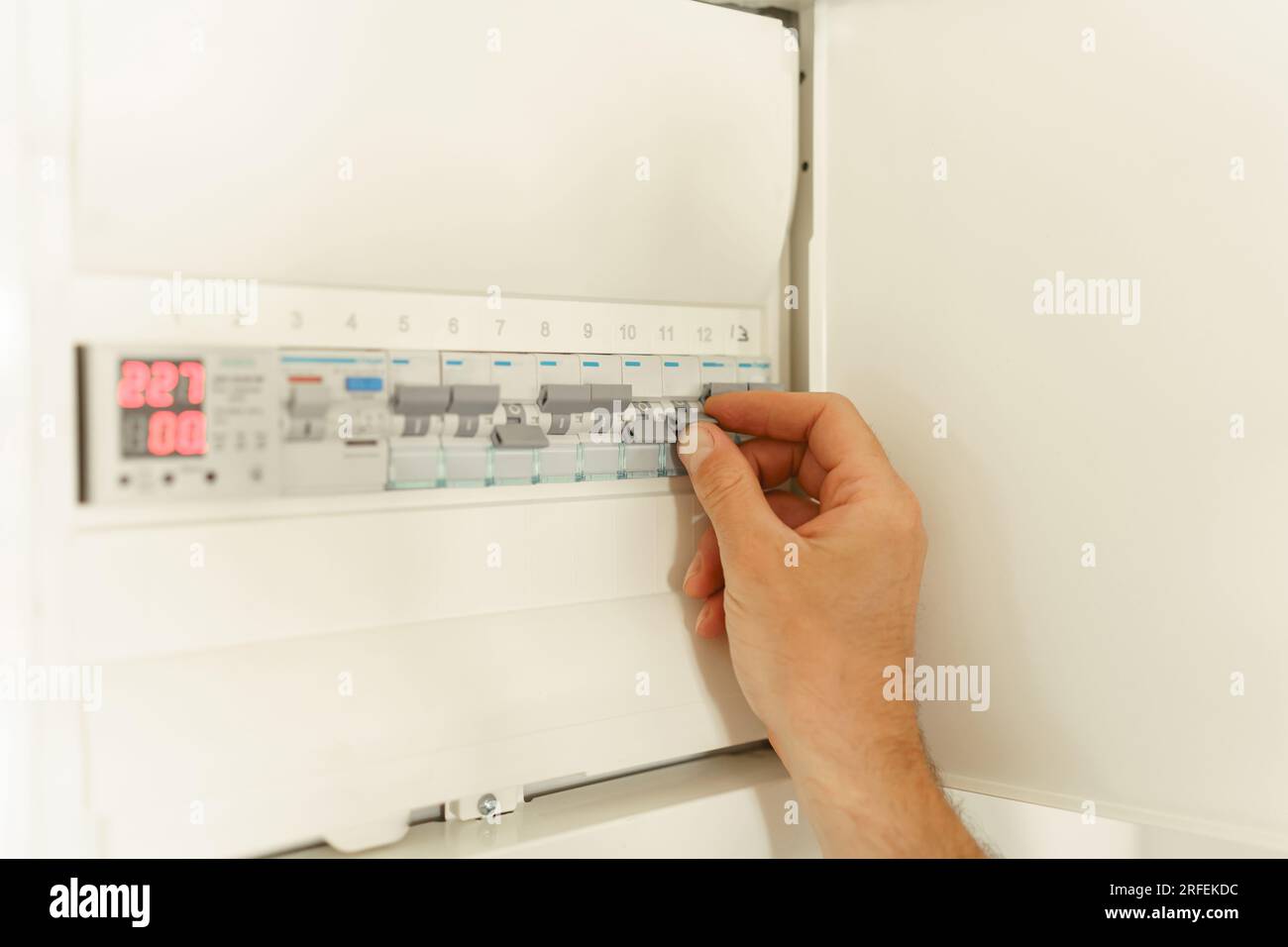
Ready to embrace your inner electrical wizard? Here are some practical tips to make turning on a circuit breaker a smooth, almost enjoyable experience. First, locate your breaker box. It’s usually in the basement, garage, a utility closet, or outside. Know where it is before you need it! Once found, you’ll see rows of switches. A tripped breaker will be noticeably in the "off" position, or sometimes halfway between "on" and "off." Your task? Identify the sleepy switch. Before you touch anything, always ensure your hands are dry and you’re not standing in water.
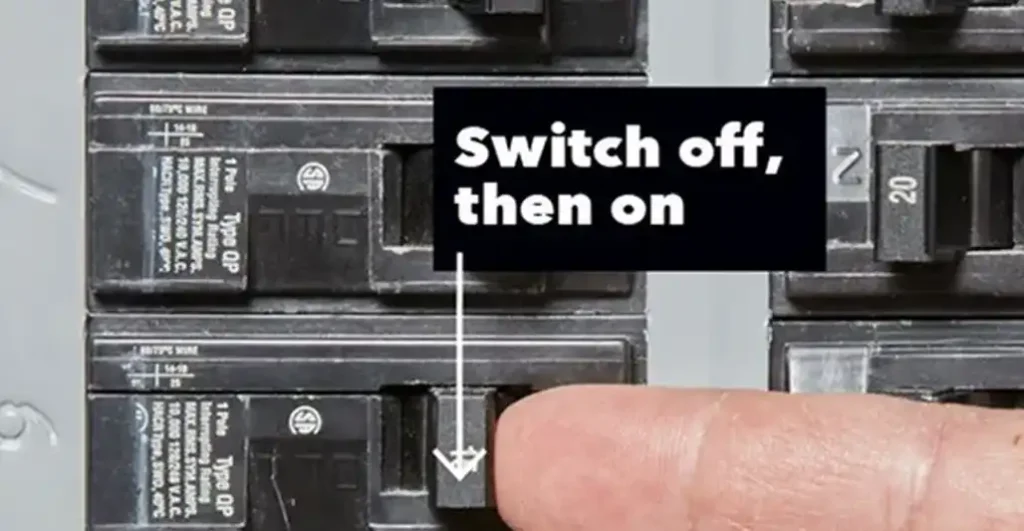
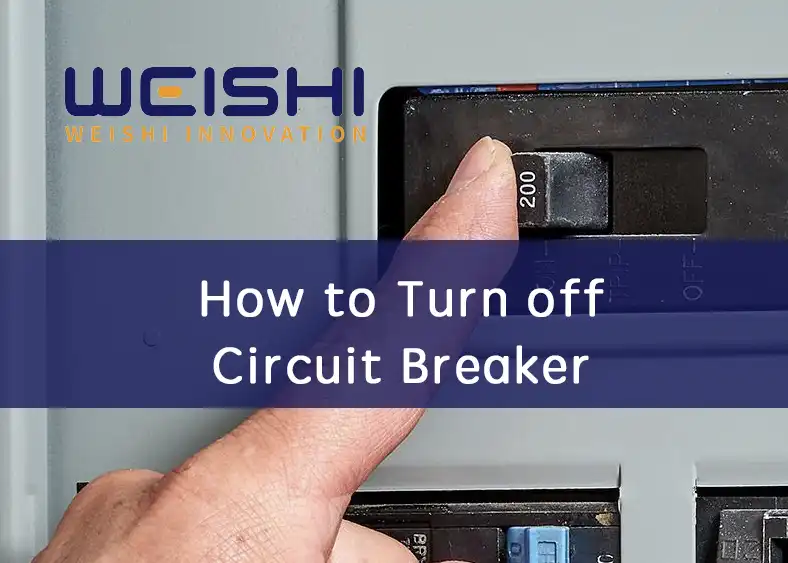
Now for the satisfying part: resetting. Don't just flip it back on immediately. First, move the tripped switch firmly to the "OFF" position. You might hear a little click. Then, with a confident push, flip it firmly to the "ON" position. Voila! Power should be restored. If it immediately trips again, that's your cue to unplug the devices that were running on that circuit. If it continues to trip even after unplugging everything, or if you're ever in doubt, it's time to call a qualified electrician. But for the vast majority of cases, a quick flip will bring your home back to life, and you'll be basking in the glow of your newly restored power, a true hero of the household.