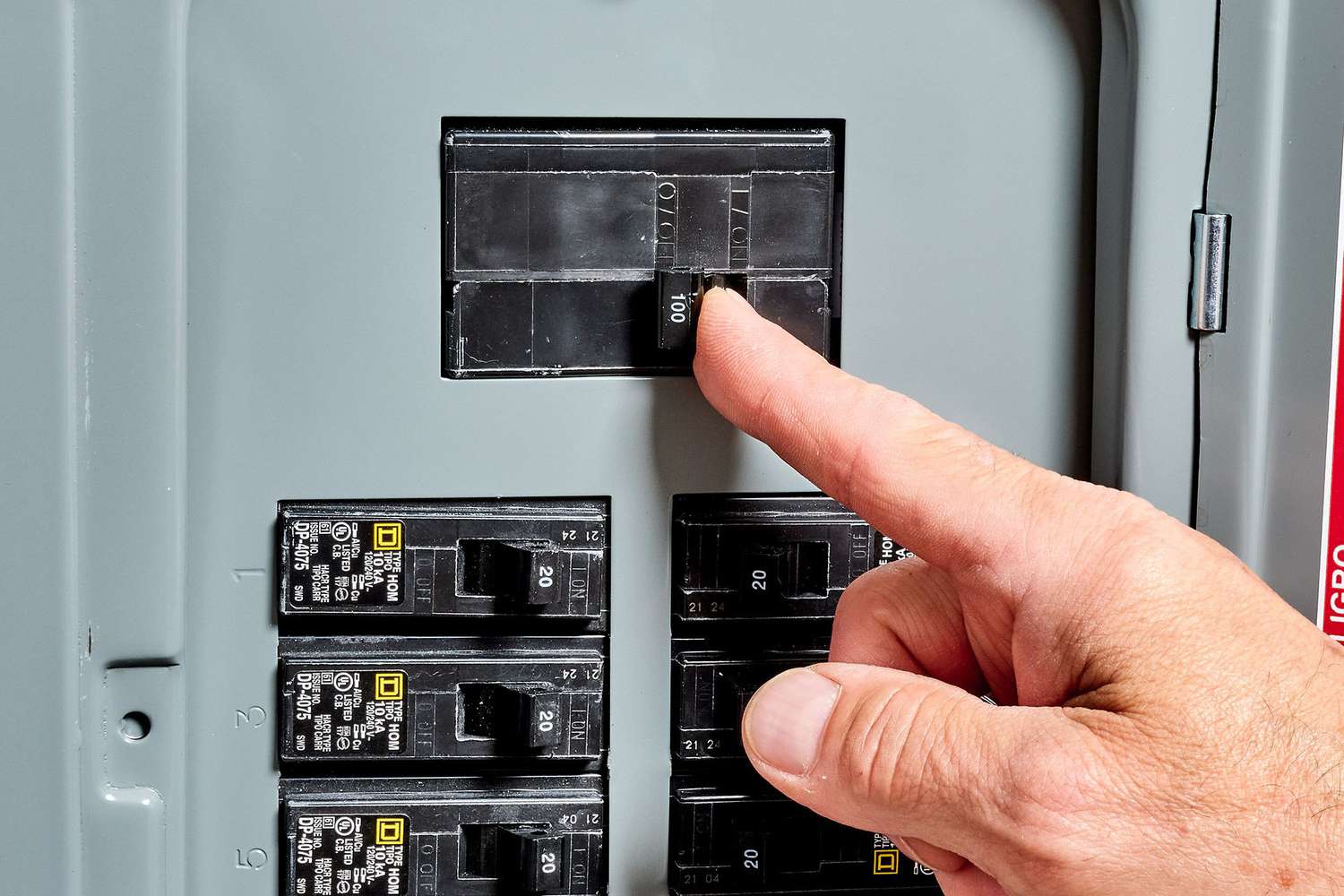
How To Turn Off The Electricity
:max_bytes(150000):strip_icc()/safely-turn-off-power-at-electrical-panel-1824677-05-0a3807fe106843bdb625a157788f209f.jpeg)
In a world buzzing with constant notifications and screens, there’s a surprisingly popular and incredibly freeing trend emerging: the art of turning off the electricity. No, we're not talking about a power outage, but a deliberate, mindful act of disconnecting from the digital hum to plug into something far more powerful—ourselves and the real world around us. It's a creative statement, a personal rebellion, and a beautiful pathway to rediscovering moments of pure, unadulterated presence. People are flocking to embrace this quiet revolution, finding unexpected joy and inspiration in the absence of artificial light and endless scrolling.
The benefits of this practice are truly illuminating, catering to a diverse range of enthusiasts. For artists, it’s a profound wellspring of creativity. Imagine sketching by natural light, the subtle shifts in shadows becoming your muse, or letting your mind wander free from digital distractions, allowing truly original ideas to blossom. It fosters a deeper sense of observation and a renewed appreciation for simpler aesthetics. Hobbyists find dedicated time for their passions, whether it's knitting under the gentle glow of a lamp, finally tackling that craft project, or diving into a physical book without the siren call of an email notification. And for casual learners, it’s an unparalleled opportunity for self-reflection, journaling, or engaging in conversations that aren’t punctuated by vibrating phones. This intentional disconnection cultivates mindfulness, reduces stress, and often leads to significantly better sleep, allowing for a genuine mental reset.
This delightful practice comes in many forms, each offering a unique flavor of serenity. There's the "Scheduled Blackout," where you dedicate an hour or an evening each week to going fully analog, perhaps by candlelight or with battery-powered tools. Then there's the "Emergency Refresh," a spontaneous decision to unplug when feeling overwhelmed, providing immediate calm. You might try a "Themed Unplug," like a phone-free dinner or a "no-screen Sunday" dedicated to nature walks and board games. Some embrace "Digital Dusk 'til Dawn," a more immersive experience of an entire night spent away from electronics. Each variation serves as a personal invitation to explore quiet contemplation, hands-on creation, and genuine human connection.
Must Read
Ready to try this electrifying experience at home? It's easier than you think! Start small: designate a single "unplugged hour" in your day or choose just one room to be a digital-free zone. Before you begin, set an intention—what do you want to do with this newfound freedom? Will you read, draw, meditate, or chat with loved ones? Prepare your space by gathering non-electronic alternatives: physical books, sketchpads, board games, or even just a cozy blanket. If you live with others, communicate your plan so everyone is on board and understands the "power-down" protocol. Most importantly, embrace the quiet; don't rush to fill the silence with other distractions. Instead, observe your thoughts, listen to the ambient sounds, and simply be. You'll be amazed at the clarity and peace that emerge.
Ultimately, turning off the electricity is not about deprivation; it's about abundance. It’s about creating space for what truly matters, fostering creativity, and nurturing our inner peace. In a world that constantly demands our attention, this simple act allows us to reclaim our focus, rediscover the beauty in simplicity, and connect more deeply with ourselves and those around us. Give it a try – you might just find that the greatest sparks of joy come not from electricity, but from the absence of it.

:max_bytes(150000):strip_icc()/safely-turn-off-power-at-electrical-panel-1824677-d7d5f6e982fa404993165bf8ac581960.jpg)