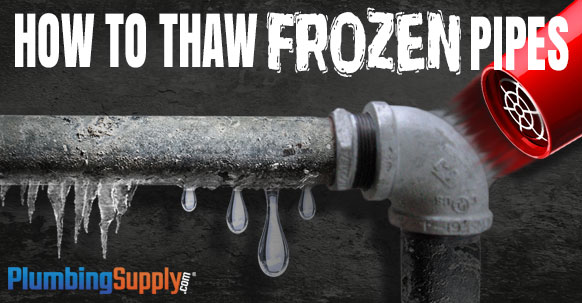
How To Thaw Out A Frozen Pipe
:max_bytes(150000):strip_icc()/how-to-thaw-a-frozen-water-pipe-2124986_FINAL-edit-01-6ff53ed13c7e41559df7070680efe4a6.jpg)
Alright, grab a imaginary mug of something warm, because we’re about to dive into one of winter’s most chilling dramas: the frozen pipe. It’s a tale as old as time, or at least as old as indoor plumbing. You wake up, groggy and ready for that morning shower, only to be met with a pathetic dribble, or worse, absolute silence. No water. Your heart sinks faster than a lead anchor in a puddle.
You probably think, "Oh, it's just a phase, like my teenager's goth stage." But no, my friend. This is the tell-tale sign of a pipe that has decided to become an impromptu ice lolly. And trust me, it’s not as refreshing as it sounds. The good news? You probably don't need to call in a pipe exorcist just yet. We can tackle this!
First, The Absolute Don'ts (Unless You Enjoy Chaos)
Before you grab that trusty blowtorch you keep for... reasons, let's establish some ground rules. This is not a scene from an action movie, even if it feels like it. Do NOT under any circumstances:
Must Read
- Apply an open flame to your pipes. Unless you want a new, very expensive hobby called "structural fire repair."
- Use boiling water directly on a pipe. Rapid temperature changes can cause pipes to burst, turning your problem into a soggy, catastrophic nightmare.
- Hit the pipe with a hammer. It’s a pipe, not a stubborn nail. All you'll achieve is a dented, possibly leaky pipe and a bruised ego.
Think of your pipes as delicate, artistic sculptures made of metal. Treat them with respect, not brute force. Or at least, with the respect you'd give a very expensive, very temperamental houseplant.
The Great Pipe Detective: Finding the Culprit
So, you’ve got no water. Is it all your faucets, or just one? If it's just a single faucet, or a specific area of your house, congratulations! You’ve narrowed down the crime scene. Now, go on a safari. Your prey? The frozen section of pipe.
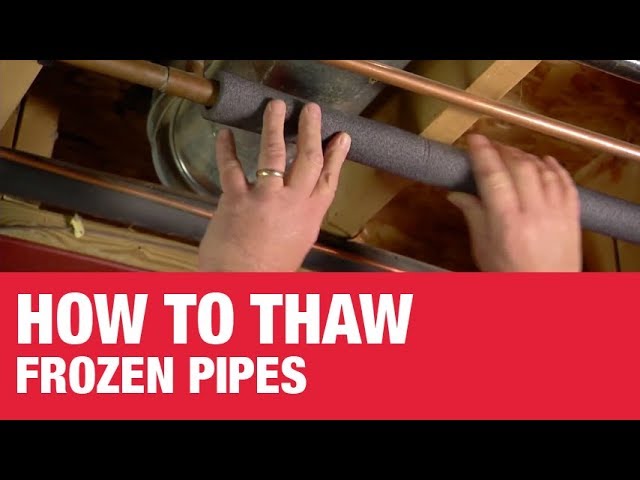
Look for pipes in unheated areas: basements, crawl spaces, garages, under sinks next to exterior walls, or even outside spigots. Sometimes you can see a slight bulge, or even a frosty sheen on the pipe itself. Give it a gentle touch (if safe and accessible). Is it colder than a polar bear's toenails? Bingo!
Your Thawing Arsenal (No Blowtorches, Promise)
Once you've located the icy villain, it's time to bring out the big guns – the gentle ones, that is. Here’s your toolkit:

- The Hairdryer: Your ultimate hero! Set it to a medium heat and keep it moving. Like giving your pipe a really enthusiastic, warm cuddle.
- Heating Pad/Electric Blanket: For those tricky, harder-to-reach spots. Wrap it around the pipe like a tiny, comforting burrito.
- Warm Towels: Soak some towels in hot water (not boiling!), wring them out, and wrap them around the frozen section. You’ll need to re-soak them often as they cool quickly. It’s like giving your pipe a spa day.
- Space Heater: If the frozen section is in an unheated room, a small space heater can gently warm the entire area. Keep it a safe distance from anything flammable, obviously.
- Heat Gun (with extreme caution): If you absolutely must, use this on the lowest setting and keep it moving constantly, like you’re trying to avoid an alarm going off in a spy movie. We’re talking gentle persuasion, not aggressive melting.
Operation Melt: The How-To
Before you even begin applying heat, there are two crucial steps:
- Turn on the affected faucet(s). This is super important! It allows melting ice and steam to escape, relieving pressure in the pipe. Plus, you’ll hear glorious gurgles and eventually see that beautiful trickle of water, signifying success.
- Locate your main water shut-off valve. Just in case the worst happens and a pipe bursts, you want to be able to shut off the water quickly to prevent a full-blown indoor swimming pool scenario. Better safe than swimming.
Now, here’s the key technique: Start thawing from the faucet side of the blockage and work your way backward. Why? Because you want that melting water to have somewhere to go. If you start in the middle, you're just creating a bigger block of ice with nowhere to escape, building up pressure, and increasing the risk of a burst.

This is a marathon, not a sprint. Be patient. It could take minutes, it could take an hour or more. Keep that hairdryer moving. Keep those towels warm. Listen for the symphony of drips and gurgles. That, my friend, is the sweet sound of victory.
The Happily Ever After: Prevention!
Once your water is flowing freely, it's time to learn from your ordeal. Let's prevent a sequel to this frosty drama:
- Disconnect garden hoses: Seriously, this is like leaving your front door open for burglars. Water trapped in hoses expands, freezes, and can burst the outdoor faucet or the pipes leading to it.
- Insulate pipes: Foam pipe sleeves are cheap, easy to install, and like cozy little sweaters for your pipes.
- Drip, Drip, Drip: During extreme cold snaps, let a few faucets (especially those on exterior walls) drip slowly. A small stream of running water is less likely to freeze than still water. It’s a surprising fact, but true!
- Open cabinet doors: Let the warm air from your house circulate around pipes under sinks.
- Keep your thermostat up: Even if you're away, don't let your house get colder than 55°F (13°C). Your pipes will thank you.
There you have it. You've faced the frozen foe, emerged victorious, and now you're armed with the wisdom to prevent future chilly encounters. Go forth, my plumbing warrior, and enjoy the glorious flow of water!