
How To Test If Power Supply Is Failing

My trusty computer, Captain Byte-beard, had been acting rather peculiar lately. It wasn't its usual self, full of digital vigor and cheerful whirs. Instead, it had developed a strange, almost melancholic personality.
Sometimes, it would just fall asleep mid-sentence, like a weary traveler on a long journey. Other times, it would flicker its lights wildly, as if trying to communicate in a secret, blinking code. I knew something was amiss in its digital heart.
My first thought, fueled by a hunch and a few whispered warnings from the internet, turned to its very lifeblood: the power supply. Could this unassuming box be the source of Captain Byte-beard's dramatic mood swings? It was time to investigate.
Must Read
The first step in our grand diagnostic adventure was simply to observe. I listened closely to Captain Byte-beard's internal symphony. Were there any new, unusual melodies playing?
Indeed, sometimes I'd hear a distinct whirring sound, almost like a tiny, overworked hummingbird trapped inside. Other times, a subtle click would echo, a sound that felt less like a happy greeting and more like a weary sigh. These were the computer's quiet protests.
Then there was the visual inspection, a quick once-over for any obvious signs of distress. I peeked through the vents, much like a doctor checking a patient's eyes for clues. Was there anything out of place?
Sometimes, dust bunnies, those furry little saboteurs, would be clinging to the fans. A quick, gentle cleaning with a can of air often felt like giving Captain Byte-beard a refreshing breath of fresh mountain air.

But if the problem persisted, and the dust was not the culprit, my gaze would settle on the power supply itself. This silent, rectangular hero usually just does its job without a fuss. But even heroes get tired.
I carefully checked all the connections, making sure every cable was snugly in its place. It’s surprising how often a loose cable can cause a computer to throw a digital tantrum, mimicking something far more serious. This simple act felt like tucking Captain Byte-beard into bed properly.
Then came the sniff test, a surprisingly effective, albeit slightly humorous, technique. I gently leaned in, taking a cautious whiff around the power supply’s vents. What was I looking for?
A faint, acrid smell, like something vaguely burnt or overheating, would be a strong red flag. It’s the computer’s way of yelling, "Help! Something's toasty in here!" This particular scent is usually quite distinctive, a sign that the power supply might be working too hard, or just giving up the ghost entirely.

Next up was a technique I fondly refer to as the "Ancient Paperclip Ritual." This involved disconnecting the power supply from all other components inside the computer. It felt a bit like performing open-heart surgery, albeit a very gentle one.
Then, with a simple paperclip bent into a U-shape, I created a bridge between two specific pins on the largest connector. This trick, which sounds almost like something out of a wizard's spell book, forces the power supply to try and power on by itself.
If the fan on the power supply spun to life, it usually meant the unit still had some spark left in it. If it remained stubbornly silent, it was a pretty strong indicator that our friend, the power supply, had packed its bags and left for good. This simple test always felt like a moment of surprising revelation.
It’s a powerful moment, witnessing a lifeless fan spring into action (or not). The tiny, bent paperclip, often overlooked, becomes a hero in this crucial diagnosis. It’s a testament to simple solutions.
Sometimes, the power supply would whir, but then stop abruptly, like a song abruptly cut short. This flickering ambition also pointed towards a tired unit, hinting at internal struggles it was having.
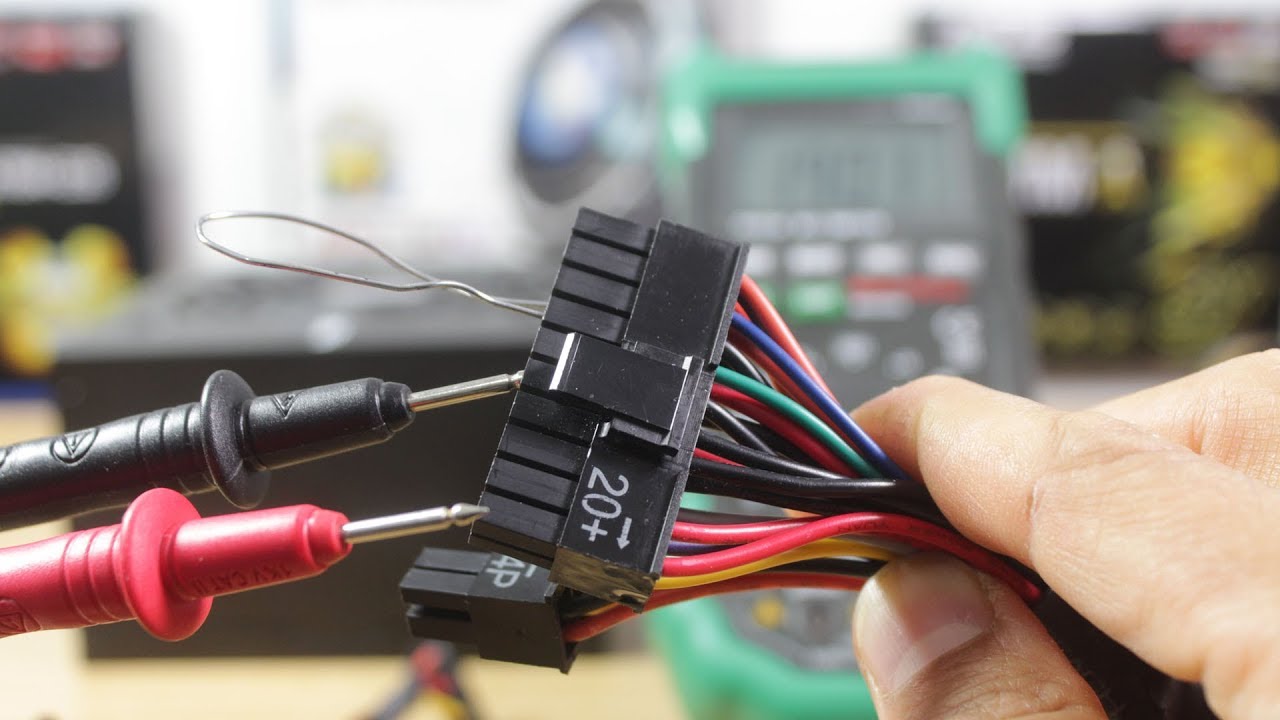
For those moments when the paperclip test wasn't conclusive, or when I wanted a deeper look, I brought out my trusty multimeter. Now, this tool looks intimidating, but for our purposes, it was just a fancy set of eyes.
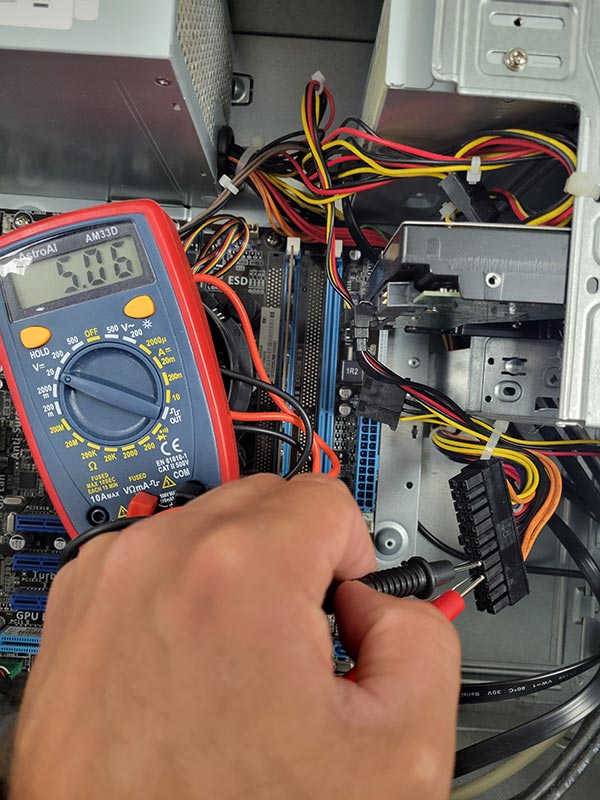
I'd probe specific pins on the power supply connectors while the computer was running, carefully checking the readings. I wasn’t trying to understand the deep physics of electricity. Instead, I was looking for a specific set of "happy numbers."
Each cable and each wire inside that connection has a prescribed voltage, a sort of electrical fingerprint. If the multimeter showed numbers wildly different from those happy benchmarks, it was a clear sign of trouble. The power supply wasn't delivering its promises.
It felt like taking Captain Byte-beard's blood pressure, looking for signs of imbalance. The numbers themselves weren't important; what mattered was whether they were "in the green" or "in the red." This simplified approach made the multimeter less of a scientific instrument and more of a fortune teller.
The most heartwarming outcome was when a simple tweak, like re-seating a cable or clearing some dust, brought Captain Byte-beard back to life. It felt like giving an old friend a much-needed hug and seeing them smile again.
But if all signs pointed to the power supply being the failing culprit, then it was time for a replacement. Swapping it out felt like transplanting a new, vibrant heart into my beloved machine.
The sheer joy of seeing Captain Byte-beard boot up normally, without any grumbles or flickering protests, was immense. The stable whirring, the responsive clicks – it was music to my ears.
It taught me that even the most complex machines often have very simple, human-like ailments. Sometimes, they just need a bit of listening, a careful look, and maybe a tiny, bent paperclip to figure out what's truly going on.
So next time your computer starts acting moody, don't despair. Remember the unassuming power supply, the unsung hero, and maybe, just maybe, you'll embark on your own surprising, heartwarming diagnostic adventure. You might just save a digital friend.