How To Test Car Battery Amps With Multimeter

Ever felt that surge of power as your car roars to life? Or maybe that dreaded silence, followed by the frantic clicking of a dying battery? Understanding your car battery's health is like knowing the pulse of your trusty steed, and that's why learning to test its amps with a multimeter is surprisingly fun and incredibly useful! It's a bit like being a detective, uncovering clues about your car's inner workings. Plus, knowing how to do this yourself can save you time, money, and the embarrassment of a roadside breakdown.
So, what's the big deal about checking your car battery's amperage? The purpose is simple: to assess how well your battery is delivering electrical power. Amperage, or amps, measures the rate of electrical current flow. A healthy battery delivers the expected amps to start your engine and power your car's electrical systems. By testing the amps, you can catch a weak or failing battery before it leaves you stranded. Think of it as preventative maintenance for your driving peace of mind.
Now, let's get practical! Here's a simplified guide to testing your car battery amps using a multimeter:
Must Read
- Safety First! Always wear safety glasses and gloves when working with car batteries. Disconnect the negative terminal first to prevent any accidental shorts.
- Gather Your Tools: You'll need a multimeter (capable of measuring DC amps), jumper cables (or a load tester if you want to be really thorough), and your car's owner's manual (for specific amp rating info).
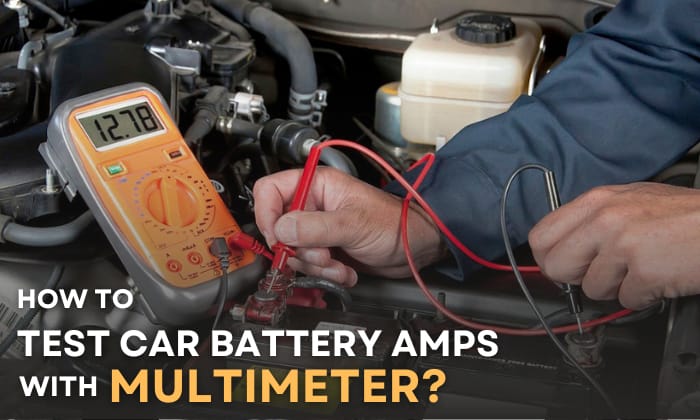
- Prepare the Multimeter: Set your multimeter to the DC amps (A) setting. You might need to select the appropriate range. Again, your multimeter's manual will be your best friend here.
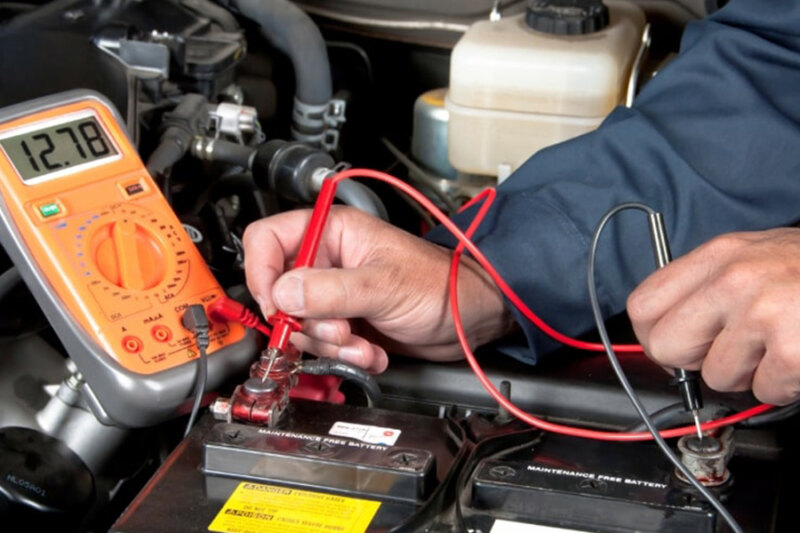
- Connect the Multimeter: Here's where it gets a little tricky and depends on what you want to measure. There are two main things you might want to test:
- Starting Amps (Cranking Amps): This requires a load test. You can either use a dedicated load tester, or simulate the load with jumper cables connected to a non-energized ground. Essentially, you're seeing how many amps the battery can deliver under a heavy load. Consult your owner's manual for the minimum cranking amp rating for your car.
- Parasitic Drain: This is checking for slow amperage drain when the car is off, indicating a component draining the battery. Disconnect the negative terminal, and connect the multimeter in series between the negative cable and the battery's negative post. You're measuring the current flowing through the multimeter. A healthy parasitic drain should be very low – typically less than 50 milliamps (mA).
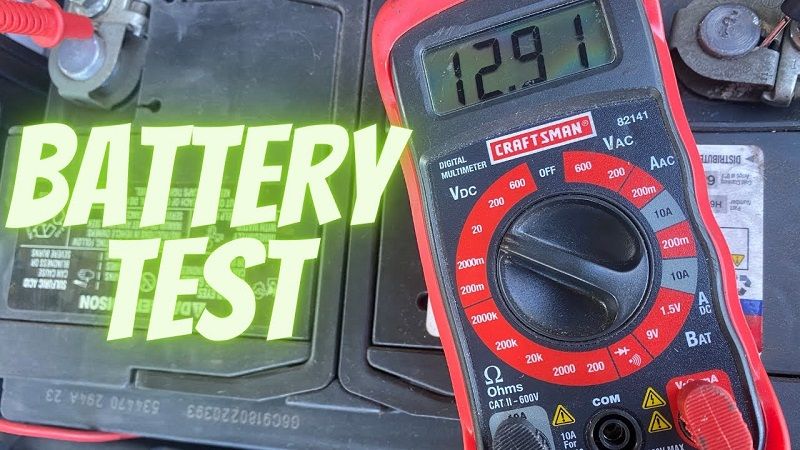
- Read the Results: Compare your multimeter reading to the specifications in your car's owner's manual or the battery label. A significantly lower reading than expected indicates a potentially weak or failing battery.
Important Notes: This is a simplified overview. Always consult your car's repair manual or a qualified mechanic for detailed instructions specific to your vehicle. Also, remember that a battery can still have good voltage but low amperage, meaning it can show 12 volts but not deliver enough current to start the engine. Proper testing with the right equipment is crucial.
Testing your car battery amps with a multimeter is a valuable skill that can empower you to take better care of your vehicle and avoid unexpected breakdowns. So, grab your multimeter, do a little research, and become your car's personal health detective!