How To Test A 6 Volt Battery

Okay, let me set the scene for you. Picture this: a dusty, forgotten corner of my garage, a vintage tin toy train, probably from the 50s, gleaming under a lone work light. My grandpa’s, no less! I’d finally gotten around to fixing it up, a labor of love, you know? Wires re-soldered, rust banished, a fresh coat of paint carefully applied. Everything was perfect. Almost.
I popped in a brand-new-ish 6-volt battery, heart thumping with anticipation. Hit the switch. Nothing. Not a flicker. My spirit, much like that train, was suddenly derailed. I checked the wiring, I checked the switch, I even gave it a little encouraging tap (because that always helps, right?). Still nothing. That’s when it hit me: is it the battery? Was my "new-ish" battery actually a dud, or worse, had it been sitting on a shelf so long it decided to retire early?
And that, my friends, is precisely why knowing how to test a 6-volt battery isn't just for mechanics or hardcore hobbyists. It's for anyone who's ever faced a stubbornly silent vintage radio, a slow-starting tractor, or yes, a beloved toy that refuses to chug along. Don't you just hate that feeling of not knowing?
Must Read
Why Bother Testing a 6-Volt Battery?
Before we dive into the nitty-gritty, let's talk about why this is even a thing. Six-volt batteries power a surprising number of items, especially in the world of classics and hobbies. Think golf carts, old farm equipment, vintage motorcycles, flashlights, lanterns, and yes, sometimes even those adorable ride-on toys for kids. Knowing if your battery is good can save you a ton of frustration, time, and money on unnecessary replacements. Plus, it feels pretty good to diagnose a problem yourself, doesn't it?
What You'll Need (Spoiler: It's Not Much!)
You’ll be happy to hear that testing a 6V battery isn't rocket science, nor does it require a toolbox full of obscure gadgets. Here’s your essential toolkit:

- A Multimeter: This is your absolute best friend here. Don't worry, it's not as scary as it looks! You can grab a decent digital one for around $20-$30 online or at your local hardware store.
- Safety Glasses: Always a good idea when messing with batteries, just in case.
- Gloves (Optional, but Recommended): Again, for safety and to keep your hands clean.
- Wire Brush or Terminal Cleaner: Handy for cleaning up any corrosion you might find.
Step 1: The Visual Inspection (Look Before You Leap!)
Before you even touch that multimeter, give your 6-volt battery a good once-over. This step is crucial and can tell you a lot without any fancy tools. Seriously, you'd be surprised.
- Look for Damage: Is the casing swollen, cracked, or bulging? Any leaks around the terminals or seams? If it looks like it’s been through a zombie apocalypse, it’s probably not just "low on charge."
- Check for Corrosion: Are the terminals fuzzy, crusty, or green? Corrosion acts like a resistor, preventing a good electrical connection. Grab that wire brush and clean them up if needed. A clean connection is a happy connection!
- Is it Warm? A battery that's unusually warm to the touch (when not actively charging or being heavily discharged) could indicate an internal short, which is bad news bears.
If you see significant damage, swelling, or excessive heat, it's probably time to retire that battery, regardless of what the multimeter says. Safety first, folks!
Step 2: The Multimeter Magic (This is Where We Get Technical-ish)
Alright, multimeter in hand? Excellent! This is where you actually find out the truth about your battery's health.
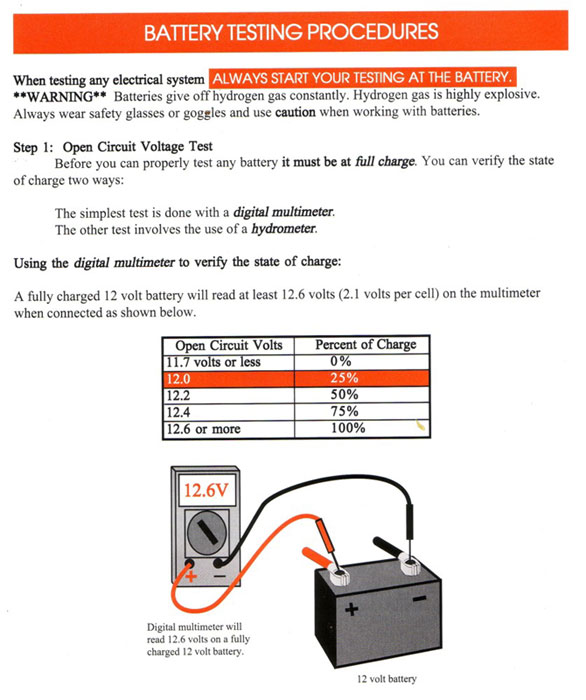
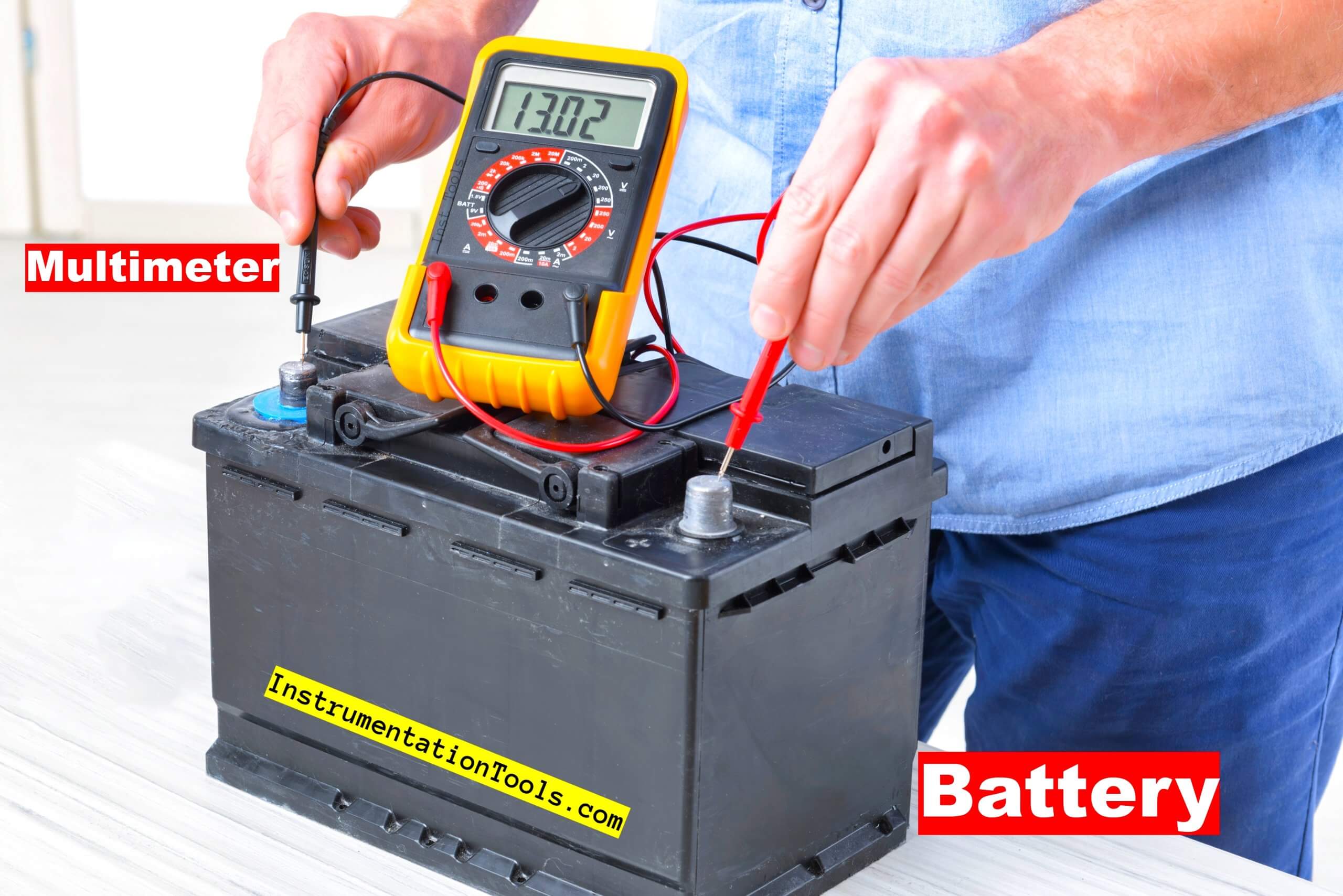
- Set Your Multimeter: Turn the dial to DC Volts (V with a straight line and three dots above it). If your multimeter has ranges (e.g., 2V, 20V, 200V), choose the one just above 6 volts. So, usually, you'd set it to 20V DC.
- Connect the Leads: You'll see two probes: one red, one black.
- Connect the red probe to the positive (+) terminal of the battery.
- Connect the black probe to the negative (-) terminal of the battery.
- Read the Display: The number that pops up on the screen is your battery's voltage. This is the moment of truth!
Step 3: Interpreting the Numbers (What Do They Mean?!)
So you've got a number. Great! But what's a good number for a 6-volt battery? Here's a quick guide:

- 6.3V to 6.6V: Bingo! This is typically a fully charged and healthy 6-volt battery. You're in good shape here.
- 6.0V to 6.2V: The battery is probably in decent shape but might need a charge. It's holding its nominal voltage, but isn't quite topped up.
- Below 5.8V: Uh oh. This indicates a significantly discharged battery. It might be recoverable with a good, slow charge, but it's on the weaker side.
- 5.0V or Less (or even 0V): Sorry to break it to you, but this battery is likely dead. It could have an internal short, or it's just given up the ghost. Time for a proper disposal and a new battery. No point in flogging a dead horse, right?
Remember, these readings are for an unloaded battery (meaning it's not powering anything while you test it). For a truly comprehensive test, especially on larger batteries like those in a golf cart, a load test is ideal, but that often requires specialized equipment. For most household 6V uses, the simple multimeter test is more than sufficient.
So, What Now?
If your battery tested low, try charging it with a suitable 6-volt charger. Let it charge fully, then wait an hour or two (to let the surface charge dissipate), and test it again. If it still reads low, or quickly drops voltage after being charged, it's time to replace it. And please, dispose of old batteries responsibly!
There you have it. No more guessing games! With a simple multimeter and a few minutes of your time, you can confidently diagnose your 6-volt battery issues. My toy train, by the way? The "new-ish" battery was indeed a dud. Replaced it with a properly new one, and now that little engine is chugging along beautifully, just like it did for grandpa. Go forth and conquer those cranky 6-volt mysteries!