Ever felt a little tug of curiosity when you see those unique, slightly different electrical outlets? We’re talking about the ones that aren’t your everyday wall plugs. The big brother of your standard sockets. Yes, we mean the 220-volt outlet. It’s like the VIP section of your home’s electrical system, powering the real workhorses like your dryer or that super-efficient electric car charger.
Now, you might think dealing with something that powerful sounds... well, serious. And it is, in a good way! But there's a certain thrill, a quiet entertainment, in understanding and interacting with this hidden power source. It’s not just about electricity; it’s about a little adventure that unfolds right in your utility room or garage.
Imagine this: you're standing before the mighty 220-volt outlet. It looks a bit different, doesn't it? More substantial, perhaps a little mysterious with its unique prong configuration. It’s not just four holes; it's a statement. This isn't for charging your phone; this is for something significant. And you, my friend, are about to unlock its secrets.
The first step in this fascinating journey is getting acquainted with your trusty sidekicks. You’ll want an electrical tester, often called a multimeter, or perhaps a simpler non-contact voltage tester. These aren't just tools; they're your interpreters, translating the invisible flow of energy into understandable beeps and numbers. Holding one of these feels a bit like holding a magic wand, ready to reveal hidden truths.
There's something uniquely satisfying about preparing for this. You might even feel a little buzz of anticipation, like a detective about to solve a thrilling case. You're not just "checking an outlet"; you're embarking on a mini-expedition into the heart of your home's unseen infrastructure. It’s a moment of quiet focus, a little dance with the forces that make modern life hum.
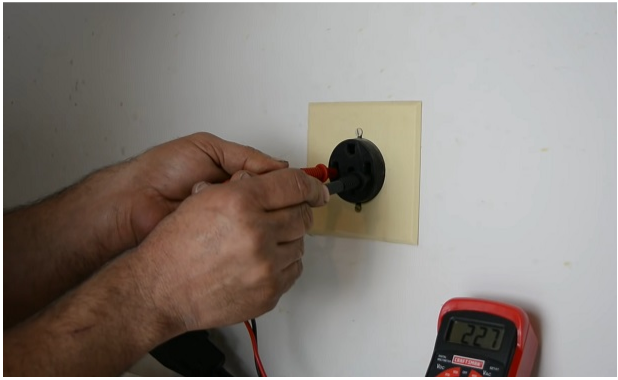
How-To Test a 220v/240v 3 Prong Outlet! Easy! Updated! 4K HD - YouTube
The Moment of Truth: A Symphony of Beeps and Lights
With your preferred tester in hand, you approach the 220-volt outlet. This is where the entertainment truly begins. If you’re using a non-contact voltage tester, it's all about the subtle signals. You hover it near the outlet, and if power is present, it might let out a satisfying series of beeps, or a bright, clear light will illuminate. It’s an immediate, gratifying confirmation. Like a secret handshake with the electrical grid!
“There’s a real kick in seeing that light flash, that beep sound. It’s like the outlet is saying, 'Hello! I’m here, and I'm ready to rock!'”
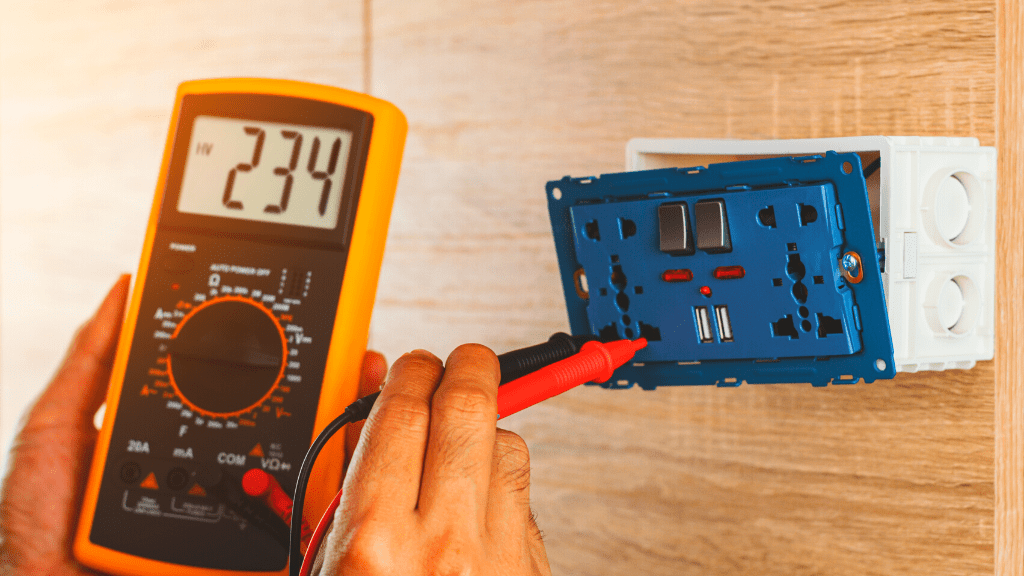
Multimeter Setting for 220V (Guide)
But the real showstopper, for many, is the multimeter. This fantastic device offers a bit more detail, turning the invisible into precise numerical values. You carefully position its probes into the designated slots. This is a moment of precision, a little bit like playing a delicate game of "Operation," but with electricity. There’s a faint hum, a sense of quiet power emanating from the outlet, even before the numbers appear.
And then, presto! The display lights up with numbers. For a 220-volt outlet, these numbers are higher, bolder than what you see from a standard plug. It’s a different league. It feels significant, like witnessing a bigger wave breaking on the shore. The numbers themselves aren't just data; they're a testament to the robust energy flowing through those dedicated wires.
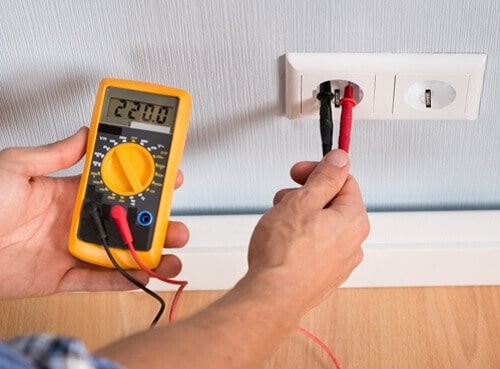
How To Use A Multimeter To Test A 220v Outlet (Step-By-Step)
Why It’s So Special (and Entertaining)
What makes this entire experience so engaging? It's the feeling of discovery, the demystification of something often taken for granted. It's the satisfaction of confirmation, knowing that a powerful piece of your home's utility is exactly as it should be. It’s a small victory, a quiet triumph in understanding the unseen world around us.
Moreover, the 220-volt outlet itself holds a special place. It’s not for your average toaster; it's for those heavy-duty appliances that truly make a difference in your daily life. Knowing you can confidently interact with and verify its operation gives you a unique sense of control and competence. It’s a moment of empowerment, literally.
So, the next time you spot one of those distinctive 220-volt outlets, don't just walk by. Take a moment. Appreciate its unique design, its purpose. And perhaps, with the right tools, you might just find yourself embarking on a surprisingly entertaining little journey of electrical exploration. It’s a small, safe peek behind the curtain of modern convenience, and it's much more engaging than you might think!