
How To Tell Where Water Is Coming Into Basement
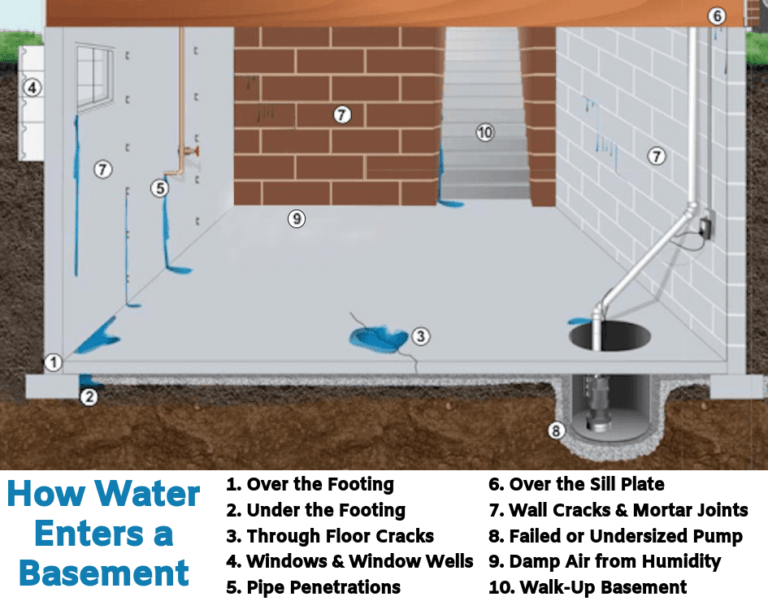
Basement water mysteries! They're like little detective stories unfolding right beneath your feet. Get ready to put on your sleuthing hat.
The Great Basement Water Hunt
First, grab a flashlight. Think of yourself as a basement explorer. The goal? To find clues in the watery wilderness.
Follow the Trail of Dampness
Start by looking for the obvious. Wet spots? Darkened areas? These are your initial breadcrumbs on the trail.
Must Read
Check the walls carefully. Run your hand along them, feeling for moisture. A subtle chill can be a major hint.
Pay attention to the floor too. Sometimes, water pools in low areas, creating mini basement lakes.
Window Wonders (or Woes)
Basement windows are common culprits. Are the frames sealed properly?
Look for cracks or gaps. Even tiny openings can let water seep in.
Check the window wells outside. Make sure they're draining correctly and not overflowing with leaves and debris.
The Wall-Floor Junction: A Prime Suspect
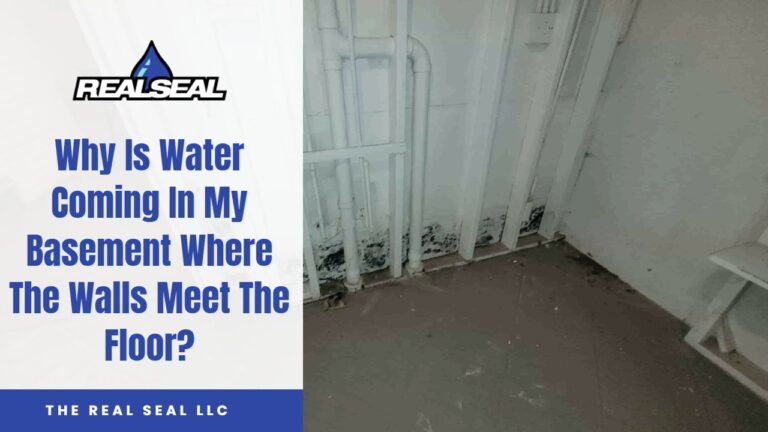
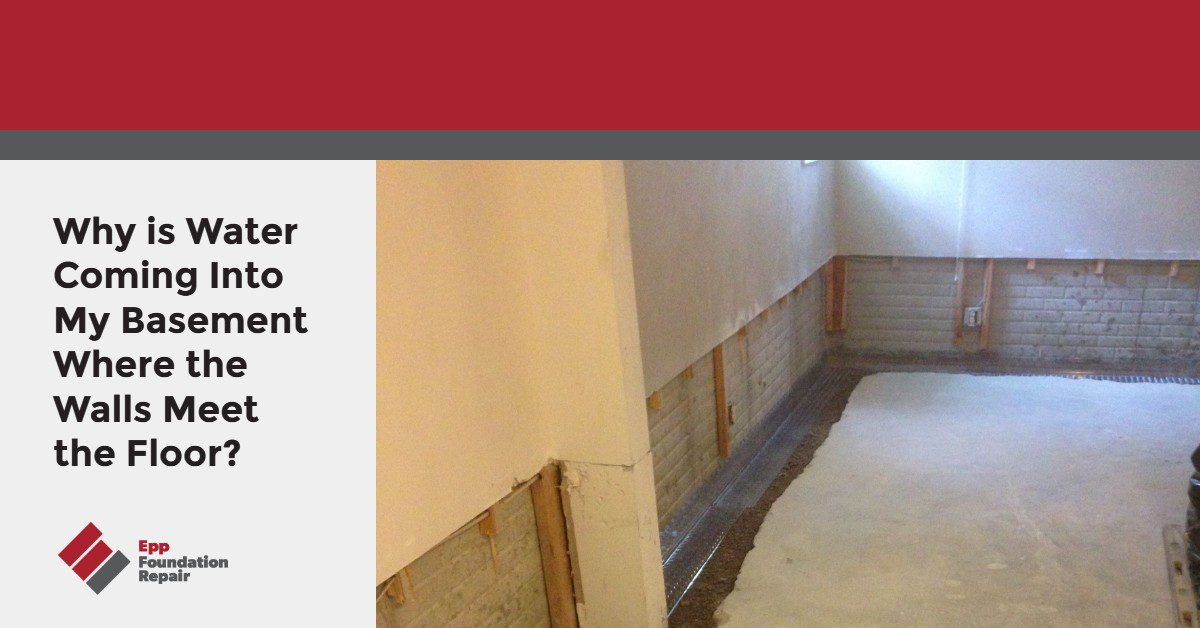
The spot where the wall meets the floor is a notorious entry point. It's like the basement's weakest link.
Examine this area closely for any signs of dampness or staining. You might need to get down on your hands and knees for a good look.
A flashlight shined along the junction can reveal subtle water trails. It's like a spotlight on the crime scene!
Crack Patrol
Cracks in the foundation are like invitations for water. Big or small, they're worth investigating.
Use a magnifying glass for a closer inspection. Look for water stains or mineral deposits near the cracks.
Note the direction of the crack. Does it angle towards the ground? That could indicate where the water is coming from.
Pipe Dreams (or Nightmares)
Leaky pipes can be sneaky sources of basement water. Check all visible pipes carefully.
Look for drips, condensation, or rust. Follow the pipes back to their source to find the origin of the leak.
Sometimes, the leak is so small it's barely noticeable. But over time, it can cause significant water damage.
The Outside Story: Gutters and Downspouts
The problem might not even be inside your basement. It could be lurking outside!
Check your gutters to make sure they're clean and free of debris. Clogged gutters can cause water to overflow and pool around your foundation.
Make sure your downspouts are directing water away from your house. Extend them if necessary to prevent water from seeping into the basement.
Grading Game
The slope of your yard plays a crucial role in water drainage. Does the ground slope away from your foundation?
If the ground slopes towards your house, water will naturally flow towards your basement walls. This is a major red flag!
Re-grading your yard can be a big project. But it's often the best way to prevent basement water problems in the long run.
Sump Pump Sleuthing
If you have a sump pump, make sure it's working properly. It's your basement's first line of defense against flooding.
Check the pump's float switch. Is it moving freely? A stuck float switch can prevent the pump from turning on.
Listen to the pump when it's running. Does it sound normal? Strange noises could indicate a problem.

The Garden Hose Test
This is where things get really fun! Grab a garden hose and enlist a helper.
Have your helper stand outside while you're inside the basement. Slowly spray water on different areas of the foundation.
Watch carefully for water to appear inside. This can help you pinpoint the exact source of the leak.
The Waiting Game (with a Twist)
Sometimes, it takes time for water to appear. Be patient and observant.
Check the basement after a heavy rainstorm. This is when water problems are most likely to reveal themselves.
Take notes and photos of your findings. This will help you track down the source of the leak and document the damage.
Humidity Hints
A musty smell or high humidity can indicate a water problem, even if you don't see any visible water.
Use a humidity meter to measure the humidity level in your basement. Anything above 60% is a cause for concern.
Consider using a dehumidifier to remove excess moisture from the air. This can help prevent mold and mildew growth.
The Dye Detective
For tricky leaks, try using a dye test. Add a small amount of dye to water and pour it into potential leak sources.
Check the basement for colored water. This can help you trace the water back to its origin.
Choose a dye that's safe for your plumbing and environment. Your local hardware store can recommend a suitable product.

Calling in the Pros
If you're stumped, don't hesitate to call in a professional. They have specialized equipment and expertise to diagnose and fix basement water problems.
A qualified contractor can perform a thorough inspection of your basement and identify the source of the leak.
They can also recommend the best course of action for repairing the damage and preventing future problems.
Document Everything!
Keep detailed records of your investigation. This includes photos, notes, and any repairs you've made.
This documentation can be helpful if you need to file an insurance claim or sell your house in the future.
Think of it as creating a basement water detective file!
The Joy of Discovery
Finding the source of basement water intrusion can be surprisingly satisfying. It's like solving a puzzle!
You'll feel a sense of accomplishment knowing you've protected your home from water damage.
So grab your flashlight, channel your inner detective, and get ready for a basement water adventure!
Sealing the Deal
Once you've found the source, seal it! Use appropriate sealant for the material, and don't skimp.
Proper sealing prevents re-entry, giving you peace of mind. Think of it as locking the water burglars out!
Regular inspections are key. Keep an eye on those vulnerable spots, even after sealing.
The Landscaping Link
Plants near your foundation can contribute to moisture issues. Roots can damage foundation walls.
Choose plants that don't require excessive watering. Consider replacing grass near the foundation with gravel or mulch.
Proper landscaping can act as a natural barrier against water intrusion.
Air Flow Awareness
Poor ventilation can exacerbate moisture problems. Increase air circulation in your basement.
Open windows when the weather permits. Use fans to circulate air.
A well-ventilated basement is a less hospitable environment for mold and mildew.
The Neighborly Nod
Sometimes, water problems originate on a neighbor's property. Open communication is key.
A friendly conversation can help identify the source of the problem and find a solution that works for everyone.
Cooperation can prevent the problem from escalating and causing further damage.
Embrace the Challenge
Finding the source of basement water can seem daunting. But break it down into manageable steps.
Be methodical, persistent, and don't be afraid to ask for help.
You've got this! You're about to become a basement water expert.