
How To Tell The Temperature Of A Room

Okay, picture this: it’s the middle of summer, scorching hot outside, and you’ve just come in from running errands. You push open the door to your sanctuary, expecting that glorious blast of cool, conditioned air. Instead, you're hit with... well, more of the same, but somehow stagnant. Your partner, however, is curled up on the couch under a blanket, complaining about a draft. Sound familiar? We’ve all been there, standing in a room, having a silent (or not-so-silent) debate with ourselves (or a loved one) about whether it’s actually cold, or if our personal internal thermostat is just wildly miscalibrated. It's a classic household mystery!
This little domestic drama perfectly illustrates the challenge: how do you truly tell the temperature of a room when everyone's internal sensing system seems to be running on different settings? Our bodies are amazing, but when it comes to objective temperature readings, they're about as reliable as a chocolate teapot. So, let's dive into some less-than-scientific (and a few genuinely scientific) ways to crack the code of your room's thermal vibe.
The "Feel" Test: Your Body's Best Guess (and Why It's Often Wrong)
This is the default, isn't it? You walk in, you shiver, you sweat, you decide. The problem? Our perception of temperature is influenced by a million things: what you just ate (spicy food makes you feel warmer!), what you're wearing, how active you've been, even your mood. One person's "crisp and refreshing" is another's "Arctic tundra." It's great for knowing if you are comfortable, but not for knowing if the room itself is actually chilly.
Must Read
My personal favorite is the "toe test" – stick your bare foot out from under the blanket. If it instantly recoils, congratulations, you've found a cold spot! But is the whole room cold? Probably not definitively.
Visual Cues: Playing Room Detective
Before you even touch anything, take a look around. Are people bundled up in sweaters and fuzzy socks? Or are they fanning themselves with magazines and wearing shorts? These are pretty good clues, though still subjective. If the windows are wide open on a freezing day, that's a strong hint! If the AC is blasting so hard it sounds like a jet engine, well, you might be onto something. It’s like being a thermal detective, piecing together the evidence. You're looking for the collective comfort level, which is a step up from just your own.

The Object Test: Touch and Tell
Here’s where we start getting a little more objective. Our skin quickly adjusts, but other objects in the room have been sitting there, absorbing the ambient temperature. Try touching a metal doorknob, a wooden table, or even a glass of water that's been left out for a while. Metal, in particular, is a great conductor, so it'll feel colder if the room is cool, even if it's the exact same temperature as the wood. This is because it pulls heat away from your hand faster. If the water in the glass feels lukewarm to cool, that's a more reliable indicator than your perpetually warm hands.
(Seriously, try it next time – it's surprisingly insightful!)
Your Furry (or Leafy) Friends: Nature's Thermometers
Got pets? They're surprisingly good indicators! If your dog or cat is curled up in a tight ball, burrowing under blankets, or seeking out sunbeams, chances are they're feeling a bit nippy. If they're sprawled out on their back, limbs akimbo, trying to maximize surface area to the cool floor, it's likely warm. Plants can also offer clues: if they're looking a bit droopy when they shouldn't be, extreme heat or cold might be the culprit. Of course, this only works if they're otherwise healthy, but it's a fun observation!
The Unsung Hero: The Thermometer
Okay, okay, I know what you're thinking: "Duh, just use a thermometer!" And you're absolutely right! While all the above methods are fun and offer clues, nothing beats the cold, hard (or hot, soft?) truth of a thermometer. But even here, there are nuances.
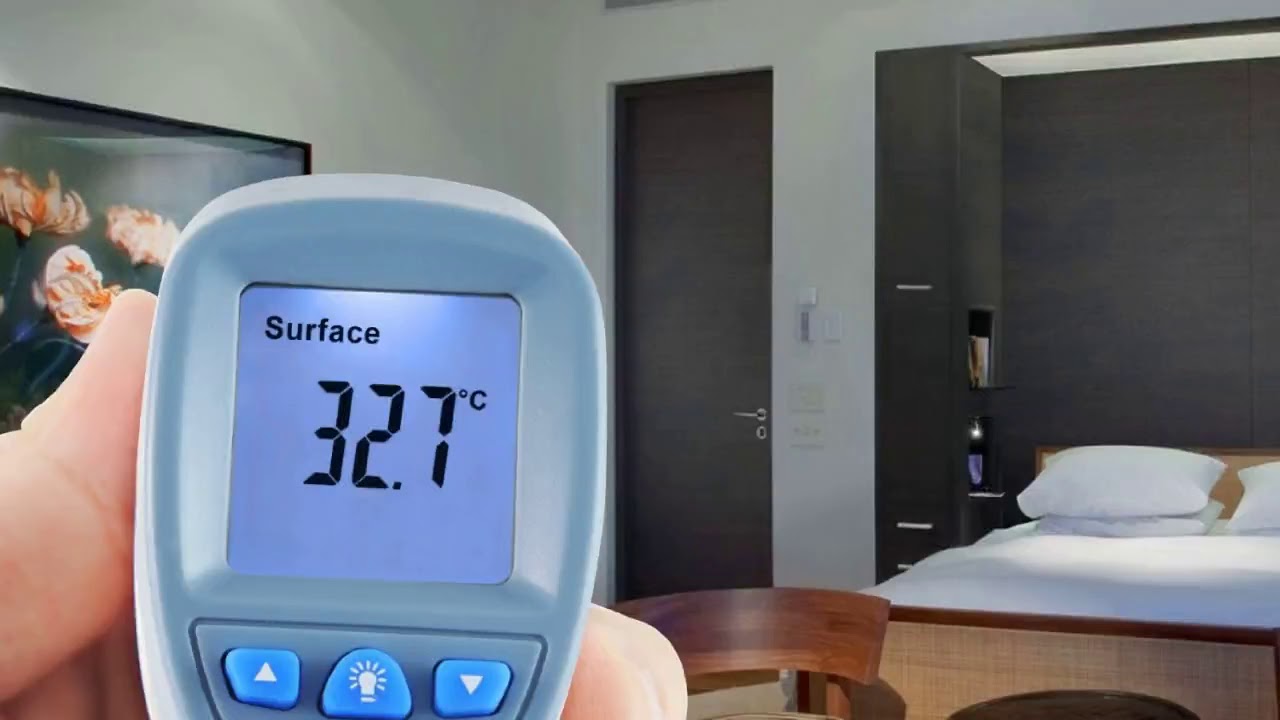
Where you place it matters! Don't stick it right next to a window (direct sunlight will skew the reading), near a vent (you'll get the temperature of the air coming out, not the room), or on an outside wall. For the most accurate reading, place a thermometer in the center of the room, away from direct drafts or heat sources, ideally at eye level. Digital thermometers are super handy, but even a good old-fashioned mercury or bimetallic strip one will do the trick.
Smart thermostats are fantastic because they often have multiple sensors and can average the temperature across different zones, giving you a much more holistic view of your room's climate. They even learn your habits – spooky, right?
Why Does It Even Matter?
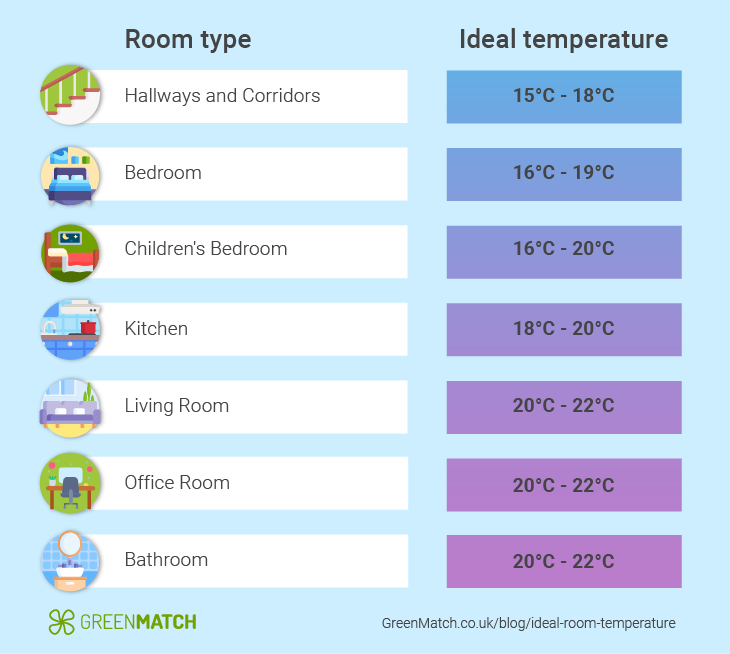
Beyond settling household arguments (which, let's be honest, is a huge win), knowing your room's actual temperature helps with energy efficiency (no more overheating or overcooling!), comfort, and even health. Optimal temperatures can improve sleep, productivity, and overall well-being. So, next time you're having that heated debate (pun intended!) about the thermostat, you'll have more than just a gut feeling to back up your claim. You'll be armed with knowledge, observations, and maybe, just maybe, an actual thermometer reading. Go forth and conquer your room's climate!
