
How To Tell If Your Water Heater Is Going Out
Okay, folks, let's talk about something super exciting (yes, really!): your water heater! It's the unsung hero of your home, silently toiling away to bring you the joy of hot showers and clean dishes. But what happens when this hero starts to falter?
How do you know if your water heater is about to stage a dramatic exit, leaving you shivering in the cold? Fear not, my friends! I'm here to equip you with the knowledge to spot the warning signs before you’re plunged into a polar vortex of cold water.
The Case of the Lukewarm Lagoon
First up, the most obvious clue: your water ain't hot! I'm talking lukewarm, tepid, slightly-less-than-room-temperature water. Imagine you're expecting a volcanic eruption of steamy goodness, and instead, you get a sad, lukewarm lagoon.
Must Read
This isn't just a minor inconvenience; it's a red flag waving frantically in the wind. If your shower feels more like a refreshing dip in a slightly chilly lake, something's definitely amiss with your trusty water heater.
Don't ignore it! A consistently lukewarm experience is a sign your water heater is struggling to do its job, and that's a prelude to bigger, colder problems.
The Mystery of the Murky Depths
Next, let's investigate the color of your water. Is it a crystal-clear, sparkling elixir of life? Or does it resemble something dredged up from the murky depths of a forgotten swamp?
If you're seeing rust-colored, brown, or even slightly orange water, it's a cry for help from your water heater. This usually indicates rust inside the tank, and that, my friends, is not a good sign.
Imagine pouring a glass of "rustic" water for your guests! Okay, maybe don't do that. But seriously, if your water looks like it's been on an archaeological dig, call a professional.
The Curious Case of the Clanging Conductor
Now, let's listen closely. Does your water heater sound like a symphony orchestra tuning up...but with exclusively percussion instruments? Are you hearing bangs, pops, crackles, or other strange noises emanating from its general vicinity?
These noises often indicate sediment buildup inside the tank. Think of it as your water heater slowly turning into a rock tumbler. That sediment is not only reducing the efficiency of your heater, but it could be damaging it.
A little gurgling is normal, but if your water heater sounds like a construction site, it's time to call in the professionals. You don't want it to give a final, dramatic performance before going silent forever.
The Tale of the Leaky Lair
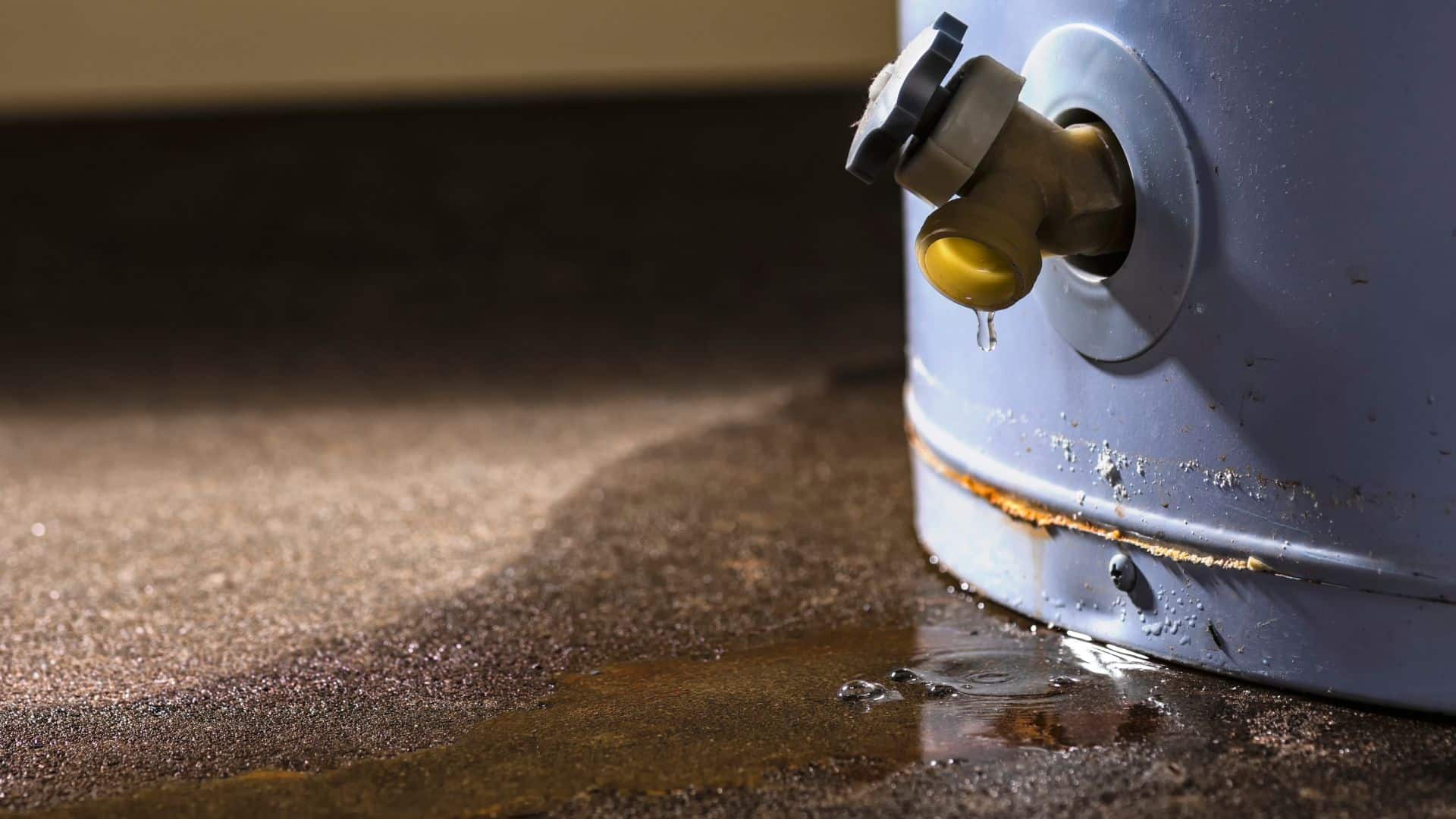
Let's play detective and search for clues around the water heater's lair. Are there puddles of water forming mysteriously at its base? Do you notice any dampness or corrosion on the tank itself?
Leaks, even small ones, are a major cause for concern. They can indicate a crack in the tank, a loose connection, or a failing pressure relief valve. Water where it shouldn't be is never a good sign.
Ignoring a leak is like ignoring a crying baby – it's just going to get louder and more insistent (and potentially more expensive) until you address it. Don't let a small drip turn into a full-blown flood!
The Saga of the Smell
Ah, the sense of smell! That can be a great indicator. Does your hot water have a strange or unpleasant odor? We're not talking about a slight chlorine smell, but a distinct, rotten egg or sulfurous aroma?
This smell is often caused by bacteria thriving in your water heater. It's not only unpleasant, but it can also be a sign of more serious water quality issues.
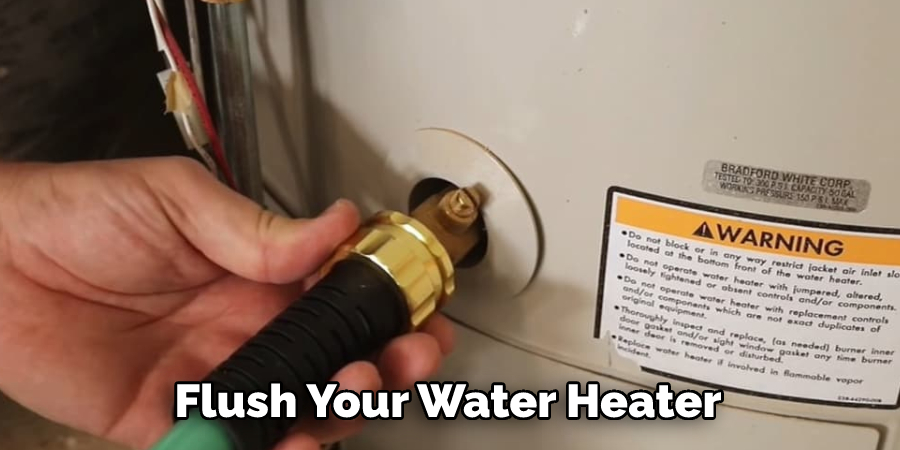
Nobody wants to shower in water that smells like something died in it, so if you detect a funky odor, it's time to investigate. A professional can diagnose the problem and recommend the appropriate solution, such as flushing the tank or sanitizing the water heater.
The Phantom of the Rusty Pipes
Okay, this one requires a bit of observation throughout your house. Are you noticing rust forming on your faucets or showerheads? Is your water pressure suddenly lower than usual? Are your pipes crying out in pain?

While these issues can have other causes, they can also be related to a failing water heater. Rust from the tank can spread throughout your plumbing system, causing corrosion and reduced water flow.
Low water pressure can also indicate sediment buildup or a failing heating element in your water heater. If you're experiencing these phantom pains throughout your plumbing, it's worth checking your water heater as a potential culprit.
The Curious Case of the Aging Appliance
Let's face it, everything ages, even our beloved water heaters. Most water heaters have a lifespan of around 8-12 years. If yours is approaching or exceeding that age, it's time to start paying close attention.
Check the manufacturer's date on the unit (it's usually located on a sticker on the side of the tank). An older water heater is more likely to experience problems and failures, even if it's been well-maintained.
Think of it like this: your water heater is like a wise old friend who's starting to show their age. Be kind to them, give them regular checkups, and be prepared to say goodbye gracefully when the time comes.

The Tale of the Unexpectedly High Bills
Are your energy bills suddenly skyrocketing for no apparent reason? Has the electric company sent you a strongly worded letter questioning your lifestyle choices?
A failing water heater can become incredibly inefficient. It has to work harder to heat the water, consuming more energy in the process. Think of it like running a marathon with a sprained ankle.
If your energy bills are inexplicably high, and you've ruled out other potential causes, your water heater could be the culprit. A professional inspection can determine if your water heater is operating efficiently and identify any underlying problems.
The Moral of the Story
So, there you have it, my friends! A crash course in water heater diagnostics. Armed with this knowledge, you're ready to become a water heater whisperer, able to detect the subtle signs of impending doom before you're left shivering in the cold.
Remember, early detection is key. The sooner you identify a problem, the sooner you can address it and potentially avoid a costly and inconvenient replacement.
Don't be afraid to call a professional plumber if you're unsure about anything. They have the expertise and experience to diagnose the problem accurately and recommend the best solution. Happy showering (with hot water, of course)!