How To Tell If You Smell Gas
Ever thought about those everyday superpowers we all possess? Not the cape-wearing, flying kind, but the ones that keep us safe and sound in our homes. One of the most important, and perhaps a little understated, is our sense of smell. Specifically, knowing how to tell if you smell gas. It's not exactly a "fun" topic in the traditional sense, but it’s incredibly useful, and understanding it gives you a fantastic sense of preparedness and peace of mind. Think of it as having an invisible shield of knowledge guarding your household – a truly popular safety skill for anyone with a home!
This isn't just for the seasoned homeowner; it's a vital piece of information for everyone. For beginners, understanding this distinct smell is step one in home safety, a foundational skill as crucial as knowing how to use a fire extinguisher. For families, it's about creating a safe environment and teaching children what to do in an emergency. Discussing the "rotten egg" smell and having a family escape plan isn't scary; it's empowering. And yes, even for the "home safety hobbyist" or anyone who values being prepared, recognizing a gas leak is a key part of comprehensive household readiness, ensuring you're not just reacting, but understanding the signs that protect your loved ones and property.
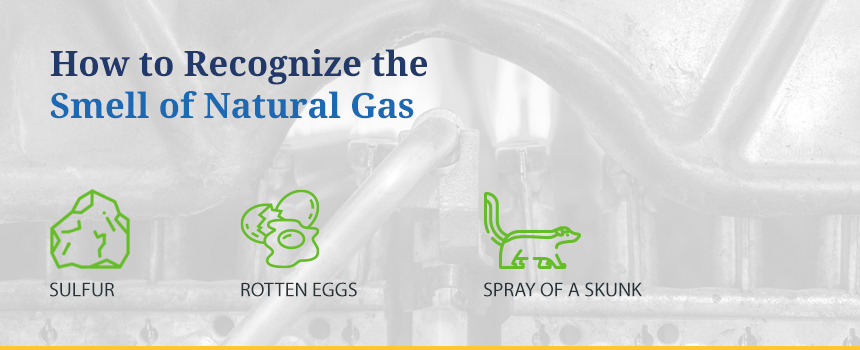
So, what exactly are we smelling? Natural gas itself is actually odorless. The distinctive, pungent smell we associate with gas leaks is thanks to a harmless chemical called mercaptan, which gas companies deliberately add. It's designed to smell like rotten eggs or sulfur – a really strong, unmistakable odor that's hard to ignore. This isn't just for natural gas; propane also has an odorant added. You might smell it near your stove, water heater, furnace, or even outside near a gas meter or line. Sometimes, you might even hear a faint hissing sound, or if it's an outdoor leak, you might notice plants or grass dying in a particular area. These are all variations of the same message: something isn't right.
Must Read
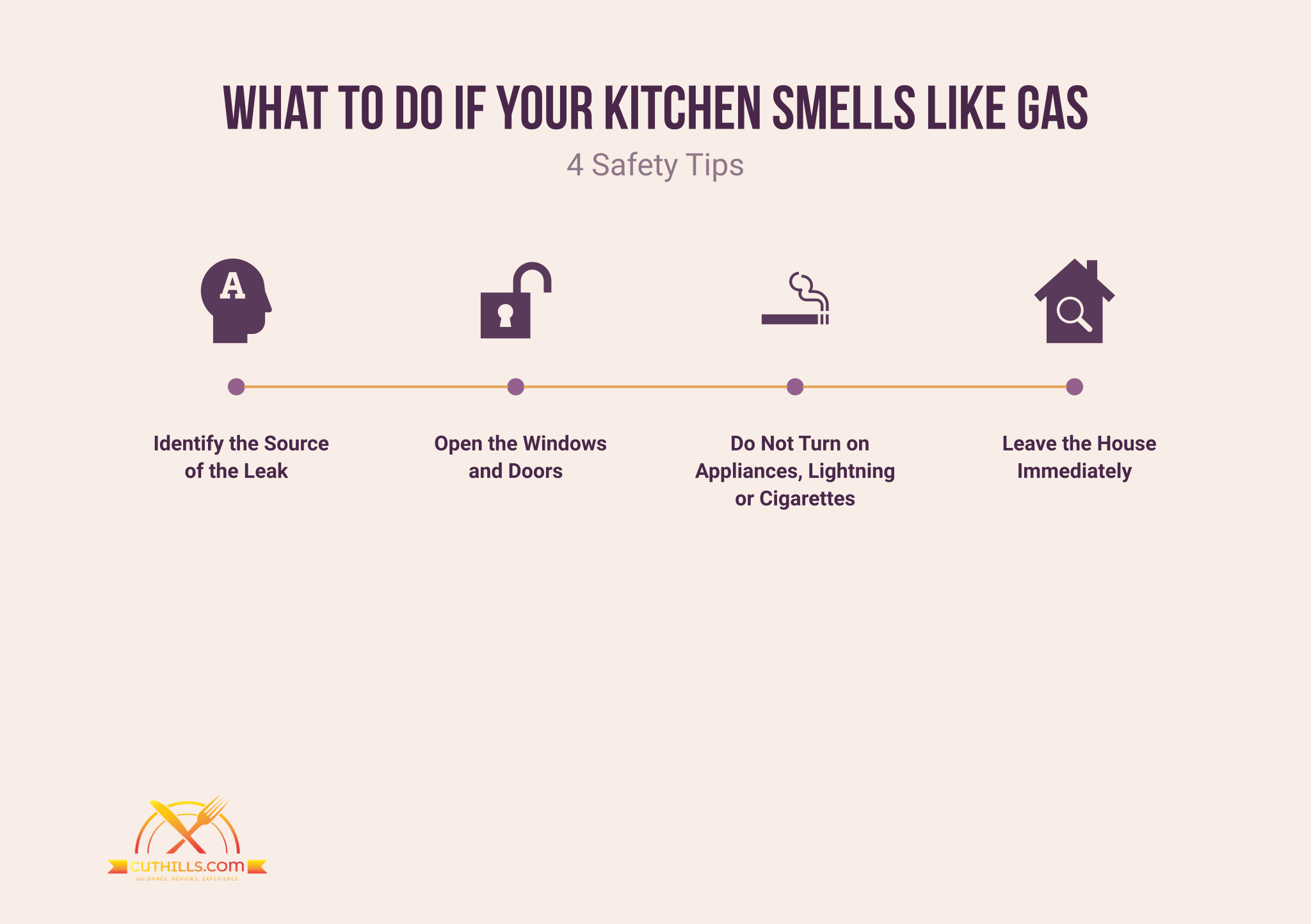
If you ever encounter that tell-tale rotten egg smell, here are some simple, practical tips for what to do (and what not to do):
- DO NOT turn light switches on or off, use cell phones indoors, light matches, or do anything that could create a spark.
- DO NOT try to find the source of the leak or attempt to fix it yourself.
- DO get everyone out of the house immediately. Your safety is the absolute priority.
- DO once you are a safe distance away from the building, call 911 or your local gas company's emergency number. It's a good idea to have this number saved in your phone or posted in an accessible spot.
- DO leave windows and doors open if it's quick and safe to do so on your way out, to help ventilate the area.
- DO stay away from the building until emergency services or the gas company have confirmed it's safe to return.
Knowing how to identify the smell of gas isn't about fear; it's about empowerment. It’s a simple skill, easily learned, that offers profound value and peace of mind. By taking a moment to understand this distinct odor and the proper steps to take, you're not just being vigilant – you're being a hero in your own home, ensuring the safety and well-being of everyone under your roof. And that, truly, is an invaluable enjoyment and a wonderful superpower to possess!