
How To Tell If You Have A Carbon Monoxide Leak

Okay, so picture this: My cat, Mr. Fluffernutter (yes, I know, judge me), starts acting really weird. Like, stumbling around, extra sleepy, and generally looking like he'd partied a little too hard the night before. Except, you know, he's a cat. He mostly parties with dust bunnies. I was worried sick! Vet visit, blood tests, the whole shebang. Everything came back normal. The vet suggested...carbon monoxide poisoning?! Cue the dramatic music.
Turns out, carbon monoxide (CO) is a silent, invisible killer. It's odorless, tasteless, and colorless, which is why it's so dangerous. You could be breathing it in right now and not even know it. Yikes!
So, how do you avoid becoming a real-life episode of "Diagnosis: Mystery Illness?" Let's break down how to tell if you might have a carbon monoxide leak in your home. And trust me, knowing this stuff could save your life (or Mr. Fluffernutter's).
Must Read
The Obvious Suspect: Carbon Monoxide Detectors
This is the number one defense. Seriously. If you don't have a carbon monoxide detector, stop reading this article right now and go buy one! I'm not kidding. Go! I'll wait...
...(Taps foot impatiently)...

Okay, you're back? Great! Now, make sure your detector is working. Test it regularly (at least monthly) and replace the batteries every six months. It’s like changing your smoke detector batteries – a small hassle for huge peace of mind. Don't be a hero; just do it! And place them strategically – near sleeping areas is key. Because, you know, that's where you're spending a big chunk of your time breathing.
If the alarm goes off, evacuate immediately and call emergency services. Don't try to be a detective; let the professionals handle it.

Recognizing the Symptoms: What Your Body's Trying to Tell You
Sometimes, even with a detector, you might start feeling symptoms before the alarm goes off, or maybe your detector isn't working properly (gasp!). Knowing the signs of CO poisoning is crucial.
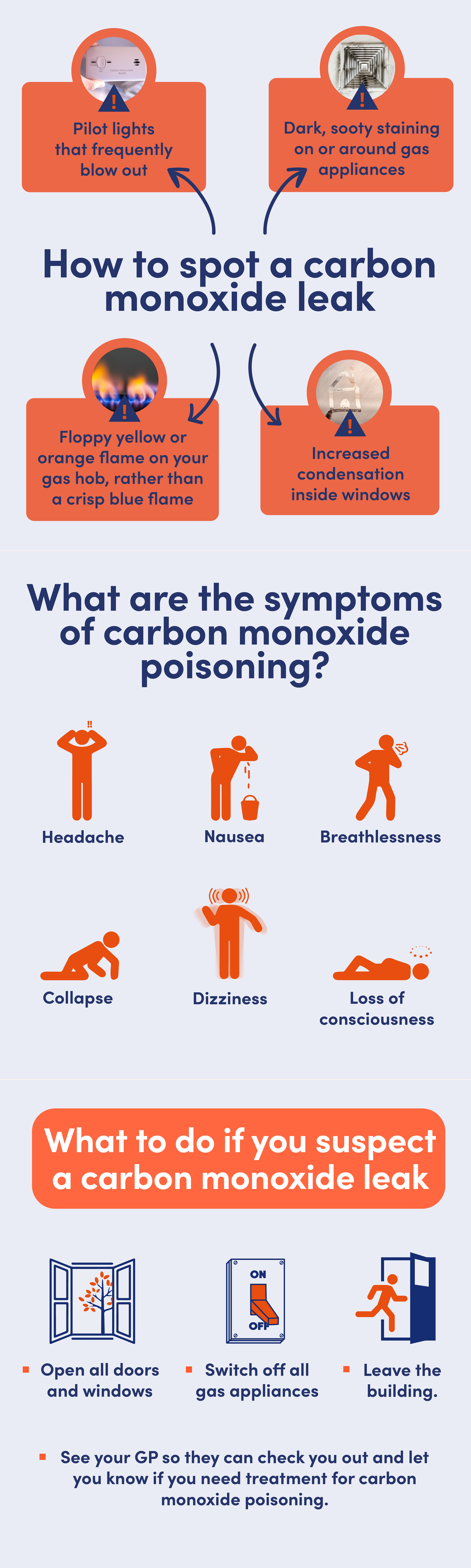
Here's what to look for. Think of it as the "CO Poisoning Checklist":
- Headaches: Especially a dull headache that just won't go away. Not your average "I need more coffee" headache.
- Dizziness: Feeling lightheaded or like you're going to faint. Basically, feeling like Mr. Fluffernutter after a particularly vigorous dust bunny chase.
- Nausea and Vomiting: An upset stomach can be a sign. But let's be honest, a lot of things can cause nausea. It's the combination of symptoms that's important.
- Weakness: Feeling unusually tired or weak. Like you've run a marathon, but all you did was binge-watch Netflix.
- Confusion: Difficulty thinking clearly or remembering things. This one can be tricky because... well, who doesn't feel confused sometimes?
- Blurred Vision: Another symptom that could be caused by a million things, but pay attention if it’s coupled with the others.
Here's the kicker: These symptoms often mimic the flu. So, if everyone in your house is experiencing similar "flu-like" symptoms at the same time, especially if it gets better when you leave the house, think CO poisoning! Don't just assume it's a bad bug.
Pay attention to pets! Animals are often more sensitive to CO than humans. So, if your furry friends are acting strangely (like my dear Mr. Fluffernutter), it could be a warning sign.
Investigating the Source: Where's That Pesky CO Coming From?
If you suspect a CO leak, try to identify the source. Common culprits include:
- Faulty Furnaces: Get your furnace inspected annually by a qualified technician. This is NOT a DIY project.
- Gas Stoves and Ovens: Make sure they're properly ventilated. Don't use your gas oven to heat your house (yes, people actually do that!).
- Water Heaters: Another appliance that needs regular maintenance.
- Fireplaces: Ensure your chimney is clean and properly ventilated. Creosote buildup is a major fire hazard, too!
- Generators: Never, ever run a generator indoors or in a garage, even with the door open. This is a huge source of CO poisoning. Seriously, don't do it!
- Cars: Never run a car in a closed garage.
Basically, anything that burns fuel (gas, wood, propane) can potentially produce carbon monoxide. Keep them well-maintained and properly ventilated.
Bottom line: Carbon monoxide is a serious threat, but you can protect yourself and your loved ones by taking a few simple precautions. Install and maintain CO detectors, be aware of the symptoms of CO poisoning, and ensure your appliances are properly maintained. And keep an eye on your pets – they might just be your furry little warning systems. And maybe, just maybe, get your cat a slightly less embarrassing name. Just a thought. 😉