
How To Tell If There's Carbon Monoxide In Your House
Hey there! Grab a coffee, settle in. We need to chat about something a little less fun than the latest Netflix binge, but way, way more important for keeping you and your loved ones safe. We're talking about that sneaky silent threat: carbon monoxide. Or, as I like to call it, the ultimate party crasher that you never even saw come in.
I know, I know. It sounds scary, right? And it totally can be. But the good news is, once you know what to look for and, more importantly, how to prevent it, it’s not something you have to constantly freak out about. Think of this as your friendly, no-nonsense guide to being CO-savvy. We're just going to empower ourselves with some knowledge, okay?
First things first: What even IS Carbon Monoxide?
Okay, so imagine a gas. But not just any gas. This one is like the stealthiest ninja in the universe. It's colorless. It's odorless. And guess what? It's completely tasteless. See why it’s such a jerk? You literally can't see, smell, or taste it. This is why knowing the warning signs – both for your house and your body – is so, so critical.
Must Read
It's basically a byproduct of burning fuels. When things like natural gas, propane, oil, wood, or charcoal don't burn completely, CO is formed. And if that CO builds up in a space, well, that's when it starts to get really dangerous. It messes with your body's ability to use oxygen. Not great, Bob. Not great at all.
Okay, but where does this sneaky stuff come from?
Good question! It's not like CO just spontaneously generates, although it might feel that way. Think of anything in your house that burns fuel. Your furnace? Yep. Your gas water heater? Uh-huh. That cozy gas fireplace or wood stove? You betcha. Your gas oven or range? Ding, ding, ding! Even a clothes dryer if it’s gas-powered.
And let's not forget the outdoor culprits that people sometimes accidentally bring inside (or too close). Grills. Generators. Your car! (Seriously, never, ever warm up your car in an attached garage with the garage door closed, even for "just a minute." It's a huge no-no.) Basically, if it burns something to make heat or power, it's a potential source. Often, problems arise when these appliances aren't properly vented or maintained. Like, if a chimney is blocked, or a furnace is acting up. See? It's not some random evil spirit; it's physics!
The Big One: How do you FEEL it?
This is where it gets a little tricky, because the symptoms of CO poisoning can be super sneaky and easily mistaken for other things. Like the flu, or a bad headache, or just being tired. Which is, you know, unfortunate when you're dealing with something so serious.
Seriously, pay attention to these:
- Headache: Often described as a dull ache, sometimes throbbing. Your first clue that something's off.
- Dizziness or Lightheadedness: Feeling woozy, a bit unbalanced, like you've had one too many margaritas when you've had none.
- Nausea or Vomiting: Tummy troubles, feeling sick to your stomach. Again, easy to blame on a bug, right?
- Fatigue or Weakness: Feeling utterly exhausted, like you ran a marathon while carrying an elephant. Without actually doing either.
- Shortness of Breath: Feeling like you can't quite catch your breath.
- Confusion or Memory Problems: You might feel foggy, unable to think clearly, or have trouble remembering things. This is really worrying.
The kicker? If everyone in the house starts feeling these symptoms at roughly the same time, and they seem to clear up when you go outside, but come back when you're inside... well, that's a gigantic, flashing red light pointing straight to carbon monoxide poisoning. It's the critical pattern to recognize.
What if you think you're feeling it?
Alright, deep breath. If you or anyone in your household starts experiencing these symptoms, and especially if multiple people are feeling unwell, here’s the game plan:
GET OUT. IMMEDIATELY. Seriously, don't pass GO, don't collect $200. Get everyone, including pets, out of the house into fresh air. Don't waste time trying to find the source. Your life, and the lives of those you care about, are way more important than figuring out which appliance is acting up.
Once you’re safely outside, call 911 or your local emergency number. Tell them you suspect carbon monoxide poisoning. They’ll send first responders who are equipped to test the air and deal with the situation safely. Do not re-enter your home until emergency personnel tell you it’s safe.
The Real MVP: Carbon Monoxide Detectors!
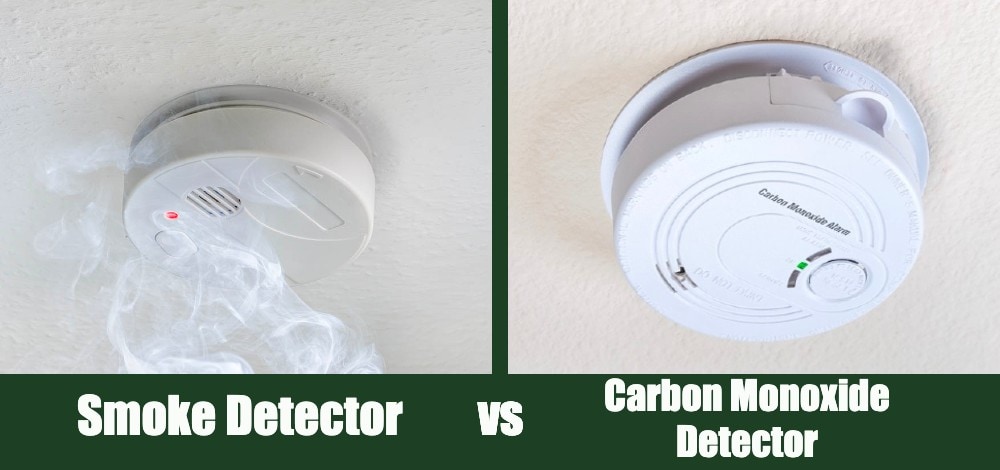
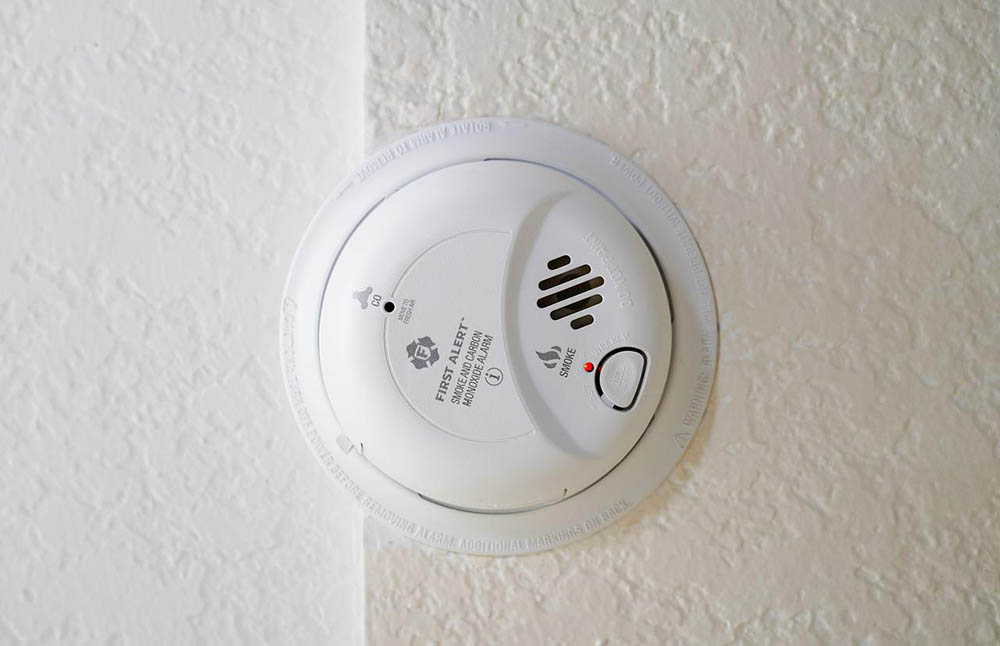
Okay, this is where we talk about our superhero. The ultimate defense against this invisible enemy. Carbon monoxide detectors are your home's early warning system. They literally save lives by screaming at you (with a very loud alarm!) when CO levels become dangerous. They are not optional. They are a must-have.
Where should they live? Think about where people sleep. You need one on every level of your home, and especially near sleeping areas. Hallways outside bedrooms are prime real estate. If you have an attached garage, put one in the room adjacent to the garage. Read the instructions on your specific detector for the best placement (some prefer ceiling, some prefer wall, but generally at least 5 feet off the ground).
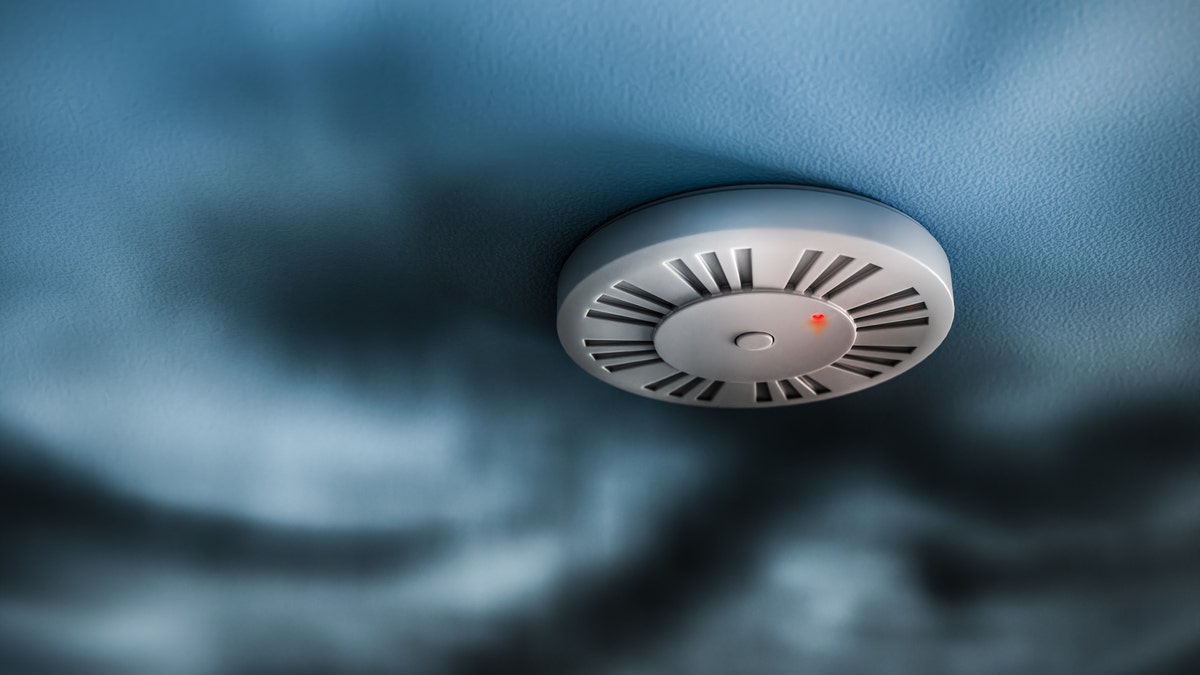
And testing them? Crucial! Just like smoke detectors, hit that test button once a month. Change the batteries at least once a year (when you change your clocks for daylight saving is a great reminder!). And remember, they don’t last forever. Most detectors need to be replaced every 5-7 years. Check the manufacture date on the back!
A Little Extra TLC for Your Home
Beyond the detectors, let's chat about prevention. Because an ounce of prevention, right?
- Annual Appliance Checks: Get your heating system, water heater, and any other gas or oil-burning appliances inspected and serviced by a qualified professional every year. This is not a "maybe," it's a "do it."
- Clear Those Vents: Make sure all vents and flues (chimneys, dryer vents, etc.) are clear of debris, nests, snow, or anything else that could block the exhaust of those nasty combustion gases.
- Proper Ventilation: Use exhaust fans when cooking. Never block air vents.
- Generator Safety: If you use a portable generator, always operate it outdoors in a well-ventilated area, far away from windows, doors, and vents. Never inside your home or garage.
- Grilling Outdoors Only: Charcoal and gas grills are for outdoor use only. Period.
So there you have it, friend. A quick, friendly download on how to be smart about carbon monoxide. It's not about being paranoid, it's about being prepared. With detectors in place and a little awareness, you're doing a fantastic job keeping your home safe and sound. Now, about that Netflix binge... we can get back to that!