
How To Tell If There Is A Carbon Monoxide Leak
Okay, let's talk about something not-so-fun, but super important: carbon monoxide (CO). It's that sneaky, silent killer you hear about, but how do you actually know if it's hanging around your place? Think of it like this: CO is the uninvited guest who doesn't ring the doorbell, doesn't bring a bottle of wine, and might just ruin your entire party (your life, in this case).
Why should you care? Well, CO is odorless, colorless, and tasteless. It's basically a ninja of the gas world. It messes with your body's ability to carry oxygen, which is kind of a big deal since, you know, you need oxygen to live. Ignoring it is like ignoring that weird noise your car is making – it might go away, but it probably won't, and the consequences could be a whole lot worse than a pricey repair bill. We're talking about your health and the health of your loved ones, including your furry pals!
The Not-So-Obvious Signs
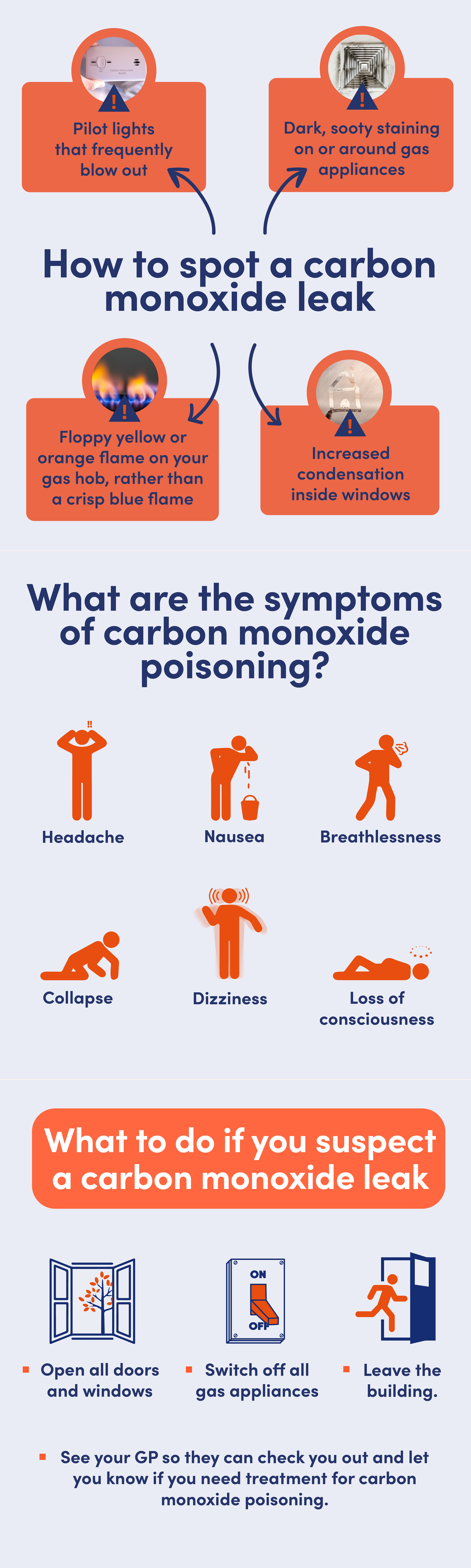
So, how do you spot this invisible menace? Here are some clues that might hint at a CO leak:
Must Read
- Flu-like Symptoms (Without the Fever): Imagine you've got a mild case of the flu – headache, nausea, dizziness, fatigue. But wait, you don't have a fever or a stuffy nose. That's suspicious! It could be CO poisoning. Think of it as the flu's evil twin.
- Symptoms Improve When You Leave Home: This is a big one. Do you feel perfectly fine when you're at work or out running errands, but start feeling crummy as soon as you walk in the door? That's a major red flag. It's like your house is giving you a hug... a hug that's slowly poisoning you.
- Everyone Else Feels Sick Too: Are your family members or roommates experiencing similar symptoms? If you're all feeling under the weather at the same time, and there's no obvious cause, CO could be the culprit. Misery loves company, but not this kind of misery!
- Pilot Lights Are Acting Up: Got a gas stove, furnace, or water heater? Check the pilot lights. If they're yellow or orange instead of a crisp, blue flame, it could indicate incomplete combustion, which means – you guessed it – potential CO production. Think of the flame color like a mood ring for your appliances; blue = happy, yellow/orange = something's wrong.
Sources of CO: The Usual Suspects
Where does this stuff even come from? Common sources of CO include:
- Faulty Furnaces: These are probably the biggest offenders. Make sure you get your furnace inspected and serviced annually. It's like taking your car in for an oil change – preventative maintenance can save you a lot of trouble down the road.
- Gas Appliances: Stoves, ovens, water heaters, dryers – anything that burns gas can potentially leak CO if it's not working properly. Regular maintenance is key.
- Fireplaces: Wood-burning fireplaces can produce CO if the chimney is blocked or the ventilation is poor. Make sure your chimney is cleaned regularly.
- Generators: Never run a generator inside your home, garage, or even a partially enclosed space. This is a recipe for disaster. Generators need to be outdoors in a well-ventilated area. Think of it this way: generators are like party animals; they need plenty of space to breathe!
- Cars: Don't run your car in a closed garage, even for a short time.
Your Secret Weapon: The CO Detector
The absolute best way to protect yourself from CO poisoning is to install carbon monoxide detectors. These little gadgets are relatively inexpensive and can save your life. Think of them as your personal CO-sniffing superheroes.
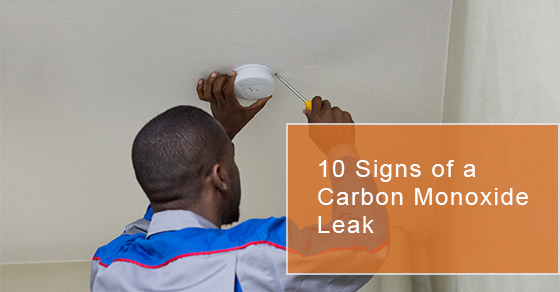
- Placement is Key: Install detectors on every level of your home, especially near sleeping areas.
- Test Them Regularly: Just like smoke detectors, you need to test your CO detectors regularly to make sure they're working properly. Most have a test button – give it a push every month or so.
- Replace Them When Necessary: CO detectors don't last forever. Check the manufacturer's instructions for recommended replacement intervals.
If your CO detector goes off, don't panic! But do take it seriously. Open windows and doors, evacuate the building, and call the fire department or your local emergency services from outside. Don't go back inside until they give you the all-clear. It's always better to be safe than sorry.
Protecting yourself from carbon monoxide poisoning is a simple, yet vital, step in keeping yourself and your loved ones safe. Don't be a statistic. Be proactive, be informed, and be safe!


