
How To Tell If Pipes Are Frozen
:max_bytes(150000):strip_icc()/how-to-tell-if-your-pipes-are-frozen-2124985-v3-5b476dd246e0fb005b2575e8-f000053e481448d6b246a22658def1cc.png)
Let's be absolutely honest with ourselves for a moment. We've all been there.
That crisp, biting morning when winter decides to really show off its chilly muscles.
You wake up, perhaps to a glistening blanket of snow, dreaming of warmth.
Must Read
The Great Plumbing Enigma (Spoiler: It's Not So Great)
The eternal question arises: "How can I tell if my pipes are frozen?" My "unpopular opinion"?
It's usually about as subtle as a polar bear in a snowstorm. In other words, remarkably obvious.
But fear not, brave homeowner! We shall playfully navigate the undeniable signs, together.
The Faucet's Stubborn Silence
This is the big one. The undisputed champion. The heavyweight title holder of frozen pipe indicators.
You confidently stride to the sink. You twist the handle, full of morning optimism.
You expect a gush, a steady stream, or at least a welcoming splash. Instead, you get... nothing.
A profound, echoing emptiness greets you from the spout. Not a single drop appears.
Absolutely no flow emerges. Not even a sad, defeated little dribble dares to make an appearance.
That, my friends, is a very strong contender for "frozen solid."
The Deceptive Dribble, A Cruel Joke
Ah, but what if there's a trickle? A weak, pathetic stream, barely clinging to existence?
You might cheer, "Hooray! Not frozen!" But hold your horses, little optimist.
A mere trickle means some water is getting through, yes. But clearly, not nearly enough.
This often signals a partial freeze. A section of your pipe has become a solid block of ice.
The remaining sliver allows a tiny, struggling bit of water to escape. It's like your plumbing is on life support.
Still, this is a critical sign that trouble is deeply rooted in your water lines.

The Morning Routine Massacre
Consider your daily rituals. They are the frontline observers. The true heroes of detection.
You stumble, half-asleep, towards the bathroom. Your mind is on coffee or fresh breath.
You reach for the toothbrush. You turn the tap. And nothing but cold, empty air escapes.
The dream of a refreshing face wash vanishes. The thought of clean hands becomes a distant memory.
Your morning routine has been utterly derailed. All by the invisible hand of ice.
This interruption is often the first, most jarring, and undeniable clue.
The Shower of Pure Disappointment
This is perhaps the most cruel revelation of all. You're anticipating that steaming comfort.
You bravely step into the chill of the shower stall. You reach for the hot and cold knobs.
You turn them with hopeful expectation. Hot, cold, both, you try everything.
And the showerhead remains a stoic, silent observer. No invigorating spray. No welcome warmth.
Just the cold, hard, unwavering reality of a dry shower. Your personal spa day is canceled.
Sometimes, only one side freezes, creating an absurd situation. You get scalding hot, or Arctic cold, but never both.
That means one specific pipe is an impenetrable block of ice. It’s a targeted attack on your comfort.
The shower’s steadfast refusal to cooperate is a major, shivering red flag.
Prepare for a very quick, very chilly sponge bath, or a very patient waiting game.
The Toilet's Quiet Rebellion
Even your usually dependable porcelain throne has a silent, dramatic tale to tell.

You flush, performing your civic duty. The water drains away with its familiar swirl.
But then the tank... it just sits there. Empty. Motionless. Like a pool party that never happened.
It doesn't refill with its usual gurgle, its trusty hiss, or its steady stream.
The eerie lack of refilling sound is profoundly uncanny. It's a quiet, dignified protest from your plumbing.
This points directly to the supply line for the toilet being frozen solid. Quite inconvenient, indeed.
A non-refilling toilet tank is another unmistakable signal. It screams "ice!" without making a sound.
Consider this a polite, albeit firm, notification from your lavatory. Action is required.
Your toilet has joined the frozen pipe club, whether you like it or not.
Visual, Auditory, and Tactile Clues: A Multi-Sensory Investigation
Beyond the painfully obvious lack of water, your other senses might offer additional data.
If you have exposed pipes, perhaps in a basement or crawl space, take a brave peek.
Do they look different today? Are they suddenly sporting a rather fashionable, albeit unwelcome, coat of frost?
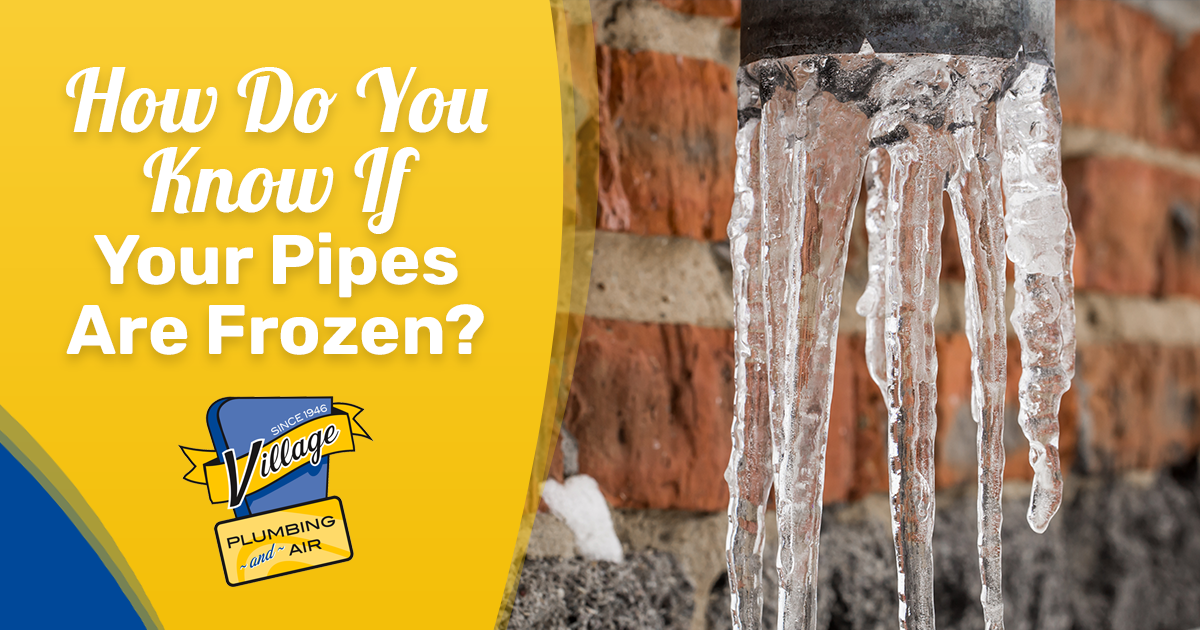
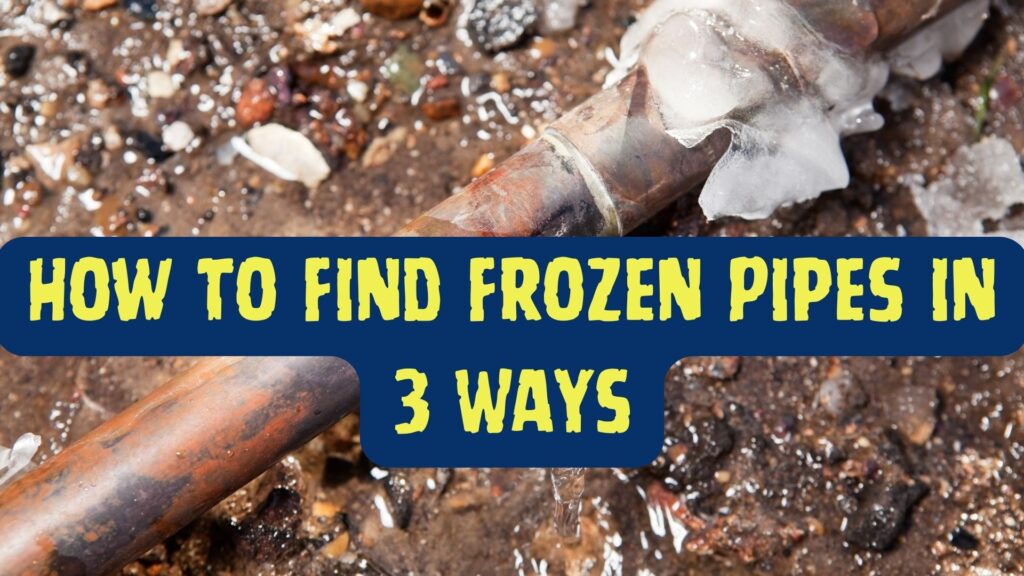
Perhaps you spy some actual, tangible ice clinging to the outside of the pipes. That's a strong visual cue.
Some pipes might even look a bit swollen, a little fatter than usual. This is less funny, more concerning.
It means the ice inside is expanding, pushing against the pipe walls. Pressure is steadily building.
A visibly bulging pipe is a dire, urgent warning sign. This is a point of no return for your plumbing.
It means you're close to a burst, so immediate attention is paramount. No more laughing now.
Touching the pipe can also tell a story. Is it unnaturally cold? Does it feel like a block of ice?
The Eerie, Ominous Silence
Normally, your house provides a gentle symphony of sounds. Water flowing, pipes creaking, heating systems humming.
But when pipes freeze, the comforting soundtrack of home changes. It becomes... unsettlingly quiet.
An almost profound stillness descends where the familiar rush of water used to be.
Some folks, bless their hearts, will tap the pipe with a screwdriver, listen intently, and declare,
"Ah, yes, the dull resonance suggests a molecular ice lattice formation at 0 degrees Celsius, give or take a few!"
My "unpopular opinion" loudly whispers, just turn the tap. If no water comes out, it's frozen. Simple. No fancy instruments needed.
The Great Outdoors: Often Forgotten, Always Freezing First
Never, ever forget your outside taps. The ones you used for watering plants, washing the car, or filling kiddie pools.
These exterior faucets are often the first victims of a severe cold snap. Especially if not properly disconnected and drained.
A quick check of these can confirm your deepest suspicions about the weather's extreme severity and impact.
Try turning one on. If you get absolutely nothing, or a brief, weak spurt followed by silence, consider it confirmed: bingo!
It means the persistent cold has truly penetrated your outdoor plumbing. Your exterior lines are in deep hibernation.
Checking these exterior fixtures is a smart, often overlooked, first step in your frozen pipe investigation.
They act as a canary in the coal mine, warning you of broader issues inside.
The "It's Clearly Cold Outside" Correlate
Here's a clue that almost never lets you down: the humble thermometer. And your own shivering body.
Has it been brutally, unforgivingly cold for a while? Below freezing for days on end?
Then, chances are exceptionally high that your pipes are feeling the extreme chill too.
This isn't rocket science, folks. Extreme, sustained cold makes water freeze. It's a fundamental law of nature.
If your pipes aren't adequately insulated, or if they run through unheated spaces like basements, attics, or exterior walls, they're incredibly vulnerable.
The weather outside is often the most obvious, screaming pre-indicator of impending plumbing doom.
If you're bundled in three sweaters, your pipes are likely in worse shape.
The Denial Phase vs. The Glorious "Aha!" Moment
We've all gone through it. The initial, stubborn disbelief. The desperate search for an alternative explanation.
"Maybe it's just the water company working on something?" No, probably not. Not without a notice.
"Did I forget to pay the bill? Am I suddenly cut off?" Highly unlikely to cause an instant, widespread freeze.
Then comes the slow, creeping certainty. The dawning, uncomfortable realization.
The moment you accept the undeniable, irrefutable truth: your pipes are unequivocally frozen.
It's okay. Take a deep breath. You are not alone in this winter wonderland of plumbing woes.
Millions of people annually join the ranks of the "frozen pipe club." It's a rite of passage for many.
So, the next time you wonder, with a hopeful yet fearful heart, "Are my pipes frozen?", just try to get some water.
If it doesn't appear, or only barely does so with a whimper, then congratulations!
You've successfully identified a frozen pipe. Welcome to the frosty, slightly damp club.
Now, go forth and gently thaw (or, more prudently, call a professional). And may your pipes flow freely very, very soon!