
How To Tell If Pipe Is Frozen
:max_bytes(150000):strip_icc()/how-to-tell-if-your-pipes-are-frozen-2124985-v3-5b476dd246e0fb005b2575e8-f000053e481448d6b246a22658def1cc.png)
Hey there, friend! Grab another coffee, or maybe something a little warmer, because we're diving into a topic that makes everyone's heart do a little shiver: frozen pipes. Ugh, just saying it gives me chills, right?
It’s that time of year, or maybe you just woke up to an unexpected cold snap, and suddenly you’re wondering, "Is my plumbing giving me the silent treatment?" Well, you’re not alone. Figuring out if your pipes are staging an icy protest can be tricky, but I’ve got your back. Let’s unravel this chilly mystery together!
The Silent Treatment: No Water Flow
Okay, this is usually the big, blinking, neon sign that something’s up. You turn on the faucet, expecting that lovely gush of water, and… crickets. Or maybe it’s just a sad little drip, drip, drip. Like your plumbing is whispering, "I'm trying, okay? I'm trying!"
Must Read
If you get absolutely nothing from one faucet, try another. If multiple faucets are bone dry, especially those on exterior walls or in colder parts of your house (hello, basement laundry room!), then you’ve got a prime suspect. It’s like your whole water supply decided to take a very cold vacation. Not cool, pipes, not cool. You might even hear some weird gurgling or whistling if it’s only partially frozen – like a struggling little sigh from your plumbing system.
The Visual Clues: Frost and Bulges
Time for a little detective work! Go on a hunt, my friend. We're looking for physical evidence. Head down to your basement, crawl space, or under sinks – anywhere you can see exposed pipes. Are any of them looking a little… frosty? Like they've decided to grow their own tiny, internal ice garden?

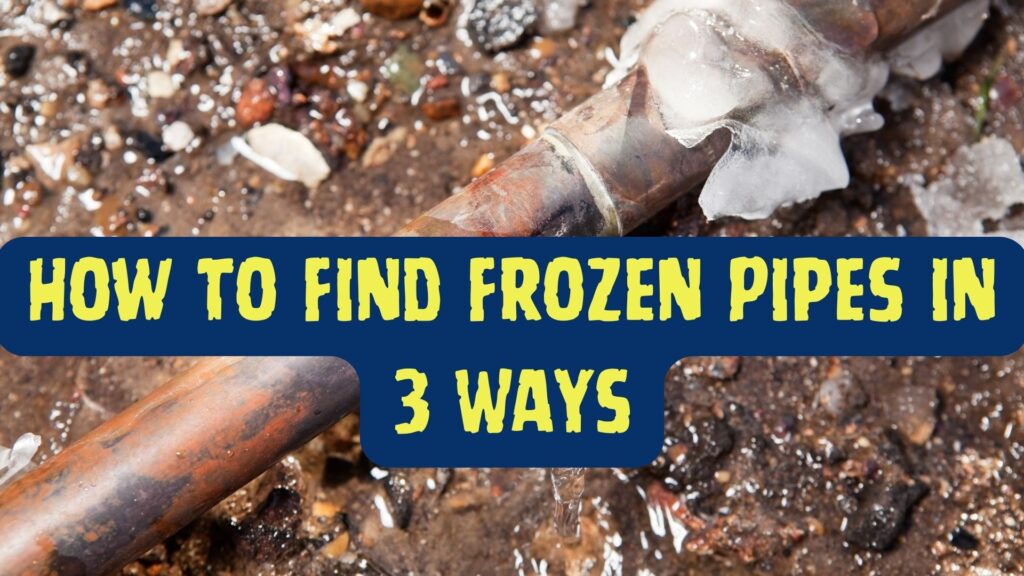
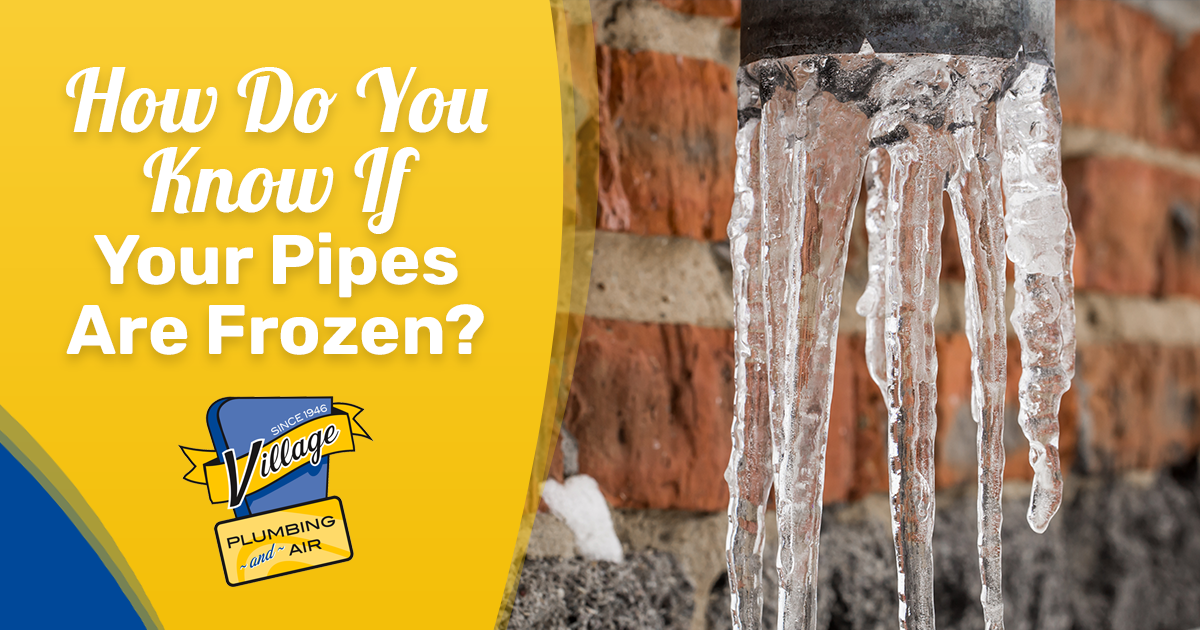
If you see frost, especially a thick layer, that's a huge indicator. It means the pipe itself is cold enough for condensation to freeze on its surface, which strongly suggests the water inside is also having an arctic moment. Think of it as a little warning sign from your pipes, saying, "Brrr, it's cold in here!" Or perhaps it's doing its best impression of a fancy, frosted cocktail glass, but without the fun drink inside.
Now, here's where it gets a bit more urgent: look for any bulges or cracks. Water expands when it freezes, remember? So a pipe packed with ice can literally swell. If you see a weird lump, or worse, a visible crack, you've got a much bigger problem on your hands. This isn't just a frozen pipe anymore; it's a pipe that's potentially burst, or about to. And trust me, you do not want to be around for the grand finale of a bursting pipe. It's less "fireworks" and more "indoor water park disaster" – and not the fun kind you pay for. We're talking serious damage, folks.

The Whiff Test: Strange Smells
This one's a bit less common, but totally worth mentioning. If a pipe freezes, and it's carrying wastewater (like a drainpipe, though supply lines are usually the main worry), that stagnant water can start to smell. Not exactly Chanel No. 5, is it? We’re talking about that lovely aroma of… stagnant water and regret. Or maybe something that reminds you of a forgotten school science project that's been festering for weeks. Ick! If you’ve got strange, unpleasant odors emanating from drains, especially if coupled with slow drainage or no flow, it could be a sign of a blockage, potentially from ice.
Usually, though, the smell comes after a thaw, when the water starts moving again and carries all that built-up funk with it. So, if your house suddenly smells like a science experiment gone wrong, and you've had a cold snap, keep this in mind as a potential post-thaw clue.
Toilet Trouble: The Silent Flush
Ever flush the toilet, and it just… doesn't refill? Or it takes an eternity, with just a tiny dribble? This is another classic sign, especially if the pipe leading to that toilet is exposed or runs along a cold exterior wall. The fill valve isn’t getting the water it needs because its supply line is a solid block of ice. It’s like your toilet is saying, "Dude, where's my water?"
Where to Check First (Your Pipe Hot Spots):
When you're playing pipe detective, focus your efforts on the usual suspects:
- Pipes along exterior walls: They're exposed to the cold more directly.
- Basements, crawl spaces, attics: Unheated areas are prime targets.
- Underneath sinks: Especially kitchen sinks on outside walls.
- Outdoor spigots: If you forgot to disconnect your hose, this one's practically begging to freeze.
It’s like looking for the troublemaker in the class – you know exactly where they hang out, right?
What NOT to Do (A Quick PSA!):
If you suspect a frozen pipe, here’s a super important rule: Do NOT use an open flame, like a blowtorch or propane heater, to thaw it. Seriously, resist the urge! You'll just cause more problems, potentially setting your house on fire or damaging the pipe even further. We're aiming for "thawed pipes," not "fire department call," okay? Seriously, leave the pyrotechnics to the professionals (and maybe just during actual fireworks displays, not in your basement).
So, You Think You've Got a Frozen Pipe?
If you've checked these signs and you're pretty sure you've got a pipe-sicle on your hands, don't panic! The first step is often to turn off your main water supply (if you know how and suspect a burst or potential burst) and then gently try to thaw it with a hairdryer on a low setting, or wrap it in warm towels. But that's a whole other coffee chat, isn't it?
The main thing is to identify the problem early. Catching it before it bursts can save you a mountain of headaches (and repair bills!). So, stay warm, keep an eye on those pipes, and hopefully, your plumbing will keep flowing happily ever after. Cheers to warm water!