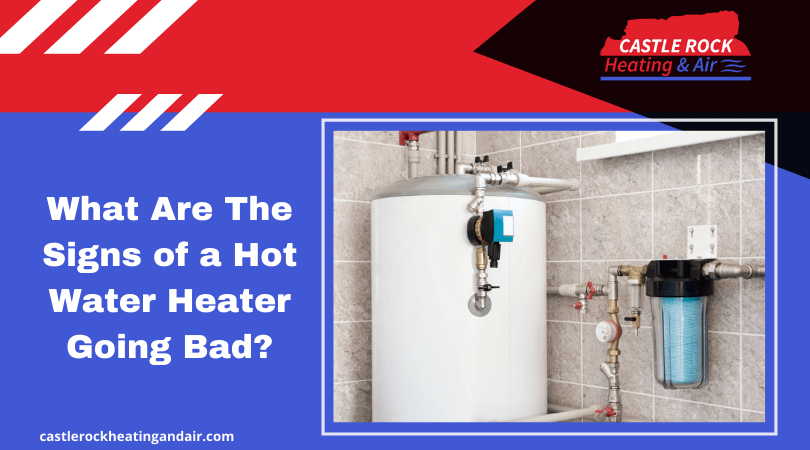
How To Tell If Hot Water Heater Is Going Bad

Okay, let's talk hot water! Not the kind that lands you in trouble, but the kind that warms your showers and washes your dishes. Your hot water heater, that trusty metal cylinder often hidden away in a basement or closet, is a silent workhorse. But like any machine, it eventually shows its age. And knowing the signs of a failing water heater can save you from a cold shower (brrr!) and a potentially bigger, wetter headache later on. Ready to become a hot water heater whisperer? Let's dive in!
The Case of the Lukewarm Lagoon
First, the most obvious clue: the water isn't hot anymore! I mean, duh, right? But it's not always a sudden cold plunge. Sometimes, it's a gradual slide into lukewarm territory. Are you finding yourself cranking the hot water tap further and further to get the same cozy temperature? That's a red flag, my friend. It could indicate a failing heating element, a build-up of sediment (more on that nasty stuff later!), or a thermostat on the fritz.
Think of it like this: your water heater is like a little internal sun, working hard to keep things toasty. If that sun starts to dim, you'll notice the temperature change. Don't ignore it! Address it, and you’ll be back to basking in warm water glory in no time.
Must Read
Rusty Tears and Weeping Seams
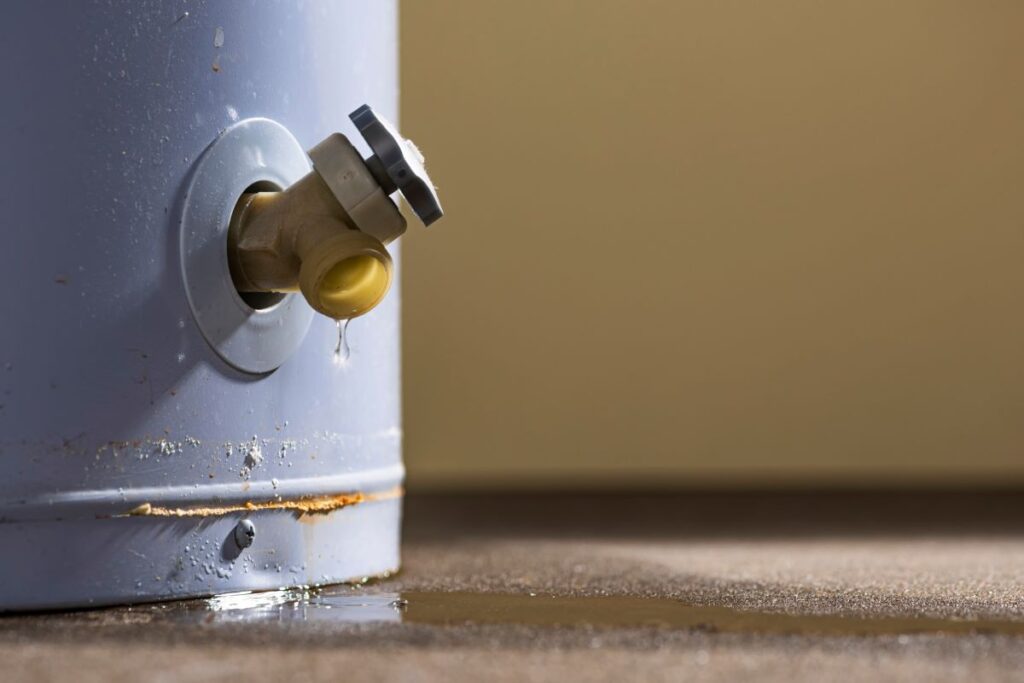
Next up: look for leaks. Now, a little condensation is normal, especially in humid climates. But actual drips, puddles, or rusty stains around the base of the unit? That’s bad news bears. Rust is like the water heater's kryptonite. Once it starts, it's tough to stop.
Inspect the tank itself, paying close attention to the seams and connections. Are there any signs of weeping? That's when water slowly seeps out. Even small leaks can lead to big problems, including water damage to your home and, eventually, a complete water heater failure. And trust me, replacing a water-soaked floor is way less fun than learning about water heater maintenance. (Is anything, really?)
The Soundtrack of a Dying Tank
Your ears can be valuable detectives, too! Listen for unusual noises. A healthy water heater should be relatively quiet. But as it ages, you might start hearing things like:
- Popping or Rumbling: This often indicates a buildup of sediment on the bottom of the tank. The heating element is trying to heat water through the sediment, causing it to overheat and create those unsettling noises.
- Whining or Screeching: This could point to a problem with the pressure relief valve.
- Gurgling: Air trapped in the system can cause gurgling sounds.
Think of these noises as your water heater's way of crying out for help. Don't ignore the cries! A little investigation can go a long way. It's like understanding your car's strange noises before it breaks down on the highway. Plus, fixing it early is always cheaper than a total replacement. So, listen up!
The Case of the Murky Water
Time for a visual check of the water itself. Run the hot water for a few minutes and observe. Is it clear and clean? Or does it look rusty, cloudy, or discolored? Murky water is a major sign something is amiss. It could indicate rust inside the tank, sediment contamination, or even bacteria growth (yuck!).
Nobody wants to shower in rusty water. It's not exactly the spa experience you're hoping for, right? Addressing the root cause of the water discoloration will improve your water quality and extend the life of your water heater.
Age Before Beauty (and Hot Water)
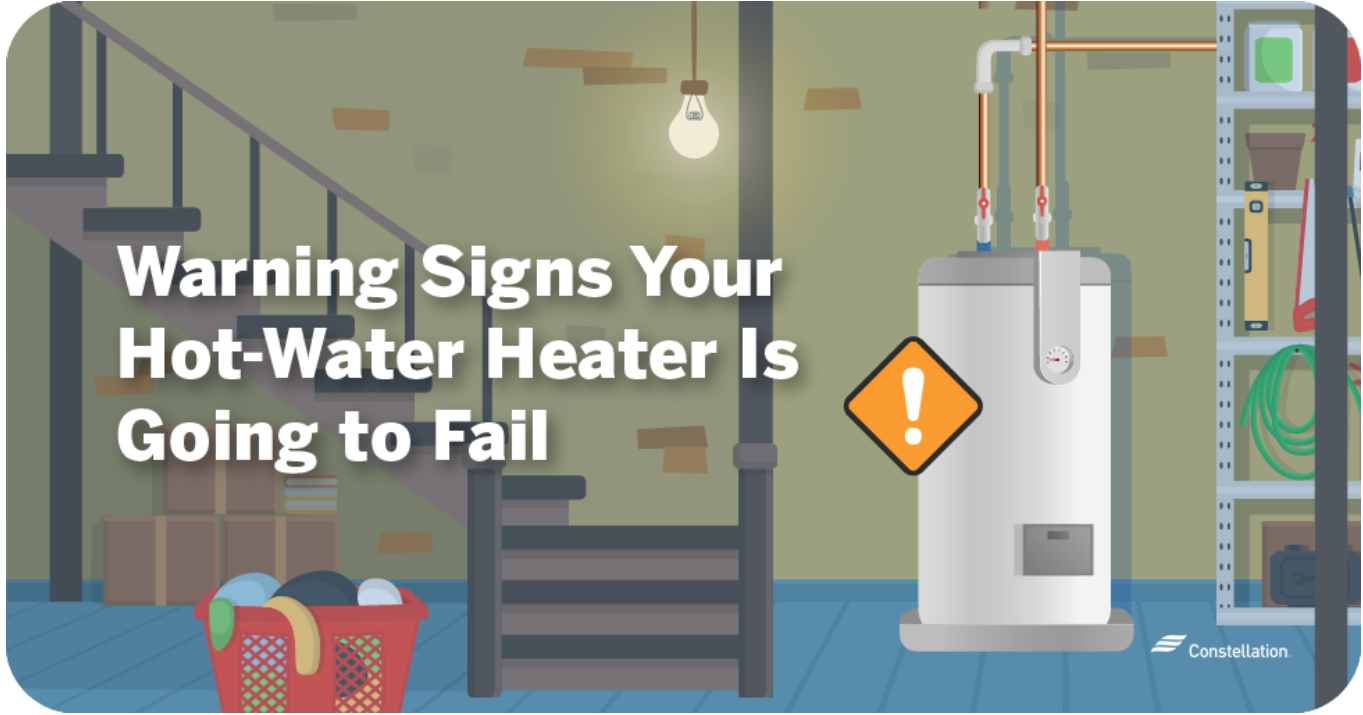
Finally, consider the age of your water heater. Most have a lifespan of around 8-12 years. Check the manufacturer's label for the date of manufacture. If your water heater is pushing its retirement age, it's wise to start planning for a replacement, even if it seems to be working fine for now. It’s like having a backup plan for your phone – you might not need it today, but you’ll be glad you had it when disaster strikes.

Being proactive and replacing an aging water heater before it fails completely can save you from a messy emergency situation and a frantic search for a plumber on a Sunday night. (Been there, done that, wouldn’t recommend it.)
So there you have it! You're now armed with the knowledge to decipher the subtle (and not-so-subtle) clues that your hot water heater is going bad. By paying attention to these signs, you can address problems early, prevent major damage, and ensure you always have a reliable supply of hot water for those cozy showers and clean dishes.
Now, go forth and conquer your water heater woes! This isn't just about plumbing; it's about understanding your home, taking control, and feeling empowered. Isn't it amazing how much more fun life is when you understand how things work? Don't stop here – delve deeper into home maintenance, learn new skills, and become the master of your domain. The world of DIY and home improvement is vast and exciting, and every little bit you learn adds up to a more comfortable, confident, and fulfilling life! And who knows, maybe you'll even impress your friends and family with your newfound water heater wisdom. Get out there and learn something new! You've got this!