How To Tell If Hot Water Heater Element Is Bad

Let's face it, few things are as instantly disappointing as stepping into a cold shower expecting a warm, comforting cascade. While it might be tempting to blame your roommate or the gremlins in the basement, the culprit could very well be a faulty water heater element. Diagnosing a bad element is a surprisingly accessible DIY project, and mastering it saves you money, avoids icy surprises, and earns you serious household hero points. Plus, who doesn't love a little detective work?
So, why bother learning about water heater elements? Simple: they're the heart of your electric water heater. Their primary function is to heat the water in the tank. When they work properly, you get glorious hot water on demand. When they fail, well, prepare for a chilly awakening. Knowing how to troubleshoot these little guys can help you determine if a simple element replacement is all you need, avoiding the cost of a brand-new water heater. It's like performing open-heart surgery... on your water heater. Okay, maybe not that dramatic, but you get the idea!
Alright, let's get down to business. How do you know if your water heater element is bad? Here are a few telltale signs:
Must Read
- No Hot Water: This is the most obvious clue. If you're getting consistently cold water, a faulty element is a prime suspect.
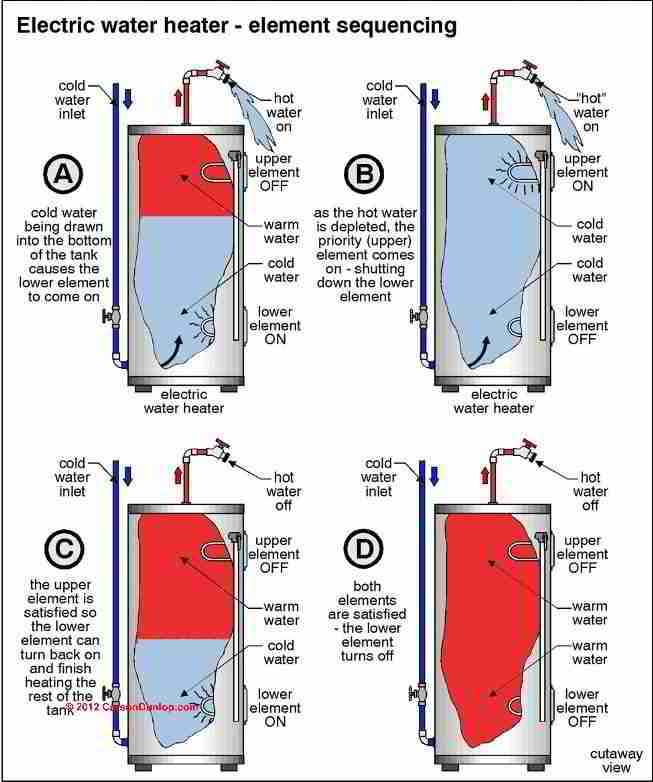
- Lukewarm Water: The water isn't ice-cold, but it's nowhere near hot enough. This often indicates that only one of the two elements in your tank is functioning (most electric water heaters have both an upper and lower element).
- Long Heating Times: Does it take forever for your water to heat up? A weakened element might be struggling to do its job efficiently.
- Strange Noises: Hear rumbling or popping sounds coming from your water heater? This could be caused by sediment buildup around a failing element.
- High Energy Bills: A damaged element may be working overtime to compensate, leading to a noticeable spike in your electricity consumption.
Now, for the actual testing (safety first! Always turn off the power to the water heater at the breaker box before doing any work). You'll need a multimeter, which you can find at any hardware store. Here's a simplified version of the testing process:

- Turn off the power! Seriously, don't skip this step.
- Remove the access panel covering the element.
- Disconnect the wires connected to the element.
- Set your multimeter to the "Ohms" setting (resistance).
- Touch the multimeter probes to the two terminals on the element.
- Check the reading. A good element will show a low resistance reading (typically between 8 and 16 ohms). An infinite reading (often displayed as "OL" on the multimeter screen) indicates a broken element.
If your element fails the multimeter test, it's time for a replacement! Fortunately, replacing a water heater element is a relatively straightforward task that most DIYers can handle. There are tons of helpful videos online to guide you through the process.
In conclusion, identifying a faulty water heater element is a valuable skill that can save you time, money, and cold showers. By understanding the symptoms and performing a simple test with a multimeter, you can diagnose the problem and decide whether to replace the element yourself or call in a professional. So, embrace your inner handyman (or handywoman) and conquer the mysteries of your water heater! You might even enjoy it... or at least enjoy the feeling of warm water again.