
How To Tell If Electric Hot Water Heater Is On

Ever stared at your electric hot water heater, wondering if it's secretly plotting against your energy bill? Or maybe just wondering if it's even on? Fear not, brave homeowner! Deciphering its operational status isn't as mysterious as ancient hieroglyphics.
Listen Closely, Sherlock!
First, channel your inner detective. Approach the water heater with the stealth of a ninja (or, you know, just walk normally).
Put your ear close to the tank. Do you hear a gentle humming or buzzing sound? That's likely the sound of the heating elements doing their thing, warming up your future showers.
Must Read
No noise? Hmmm, that could mean it's already reached its set temperature and is taking a break. Or, gulp, it could mean it's off.
The Touchy-Feely Test (Proceed with Caution!)
This one requires a bit more courage, but offers tactile clues! Carefully (and I mean carefully!), touch the side of the water heater tank.
Is it warm to the touch? Like a friendly hug from a giant metal cylinder? Excellent! It's probably on. But remember, safety first!
If it's cold as a polar bear's nose, Houston, we have a problem. It's likely not heating.
Important safety note: Never, EVER touch any exposed wires or electrical components. We're aiming for warm showers, not electrocution!
The Hot Water Faucet Test (The Obvious, Yet Crucial, Step)
Sometimes, the simplest solutions are the best. Head to a nearby faucet (preferably one that's relatively far from the water heater) and turn on the hot water.

Wait a minute or two. Is the water coming out hot? Congratulations! Your water heater is clearly doing its job and deserves a gold star (or at least a thank you).
If it's lukewarm or ice-cold, then you might need to do some additional investigation, which we'll cover later.
The Circuit Breaker Check: The Master Switch
Electric water heaters are greedy little appliances. They need their own dedicated circuit breaker to function. This is where you need to go to your electrical panel. You know, that gray box usually hidden in a dark corner of your basement or garage?
Find the breaker labeled "Water Heater" (or something similar). Is it flipped to the "Off" position? If so, that's your culprit! Flip it back to "On" and see if that solves the problem.
If the breaker is already "On" but your water is still cold, you might have a tripped breaker issue. It might have tripped off by itself.
Major red flag: If the breaker trips immediately after you flip it on, don't keep trying. There's a serious electrical problem, and you need to call a qualified electrician ASAP! We don't want any electrical fires on our watch!

The Pilot Light...Wait, Never Mind! (It's Electric!)
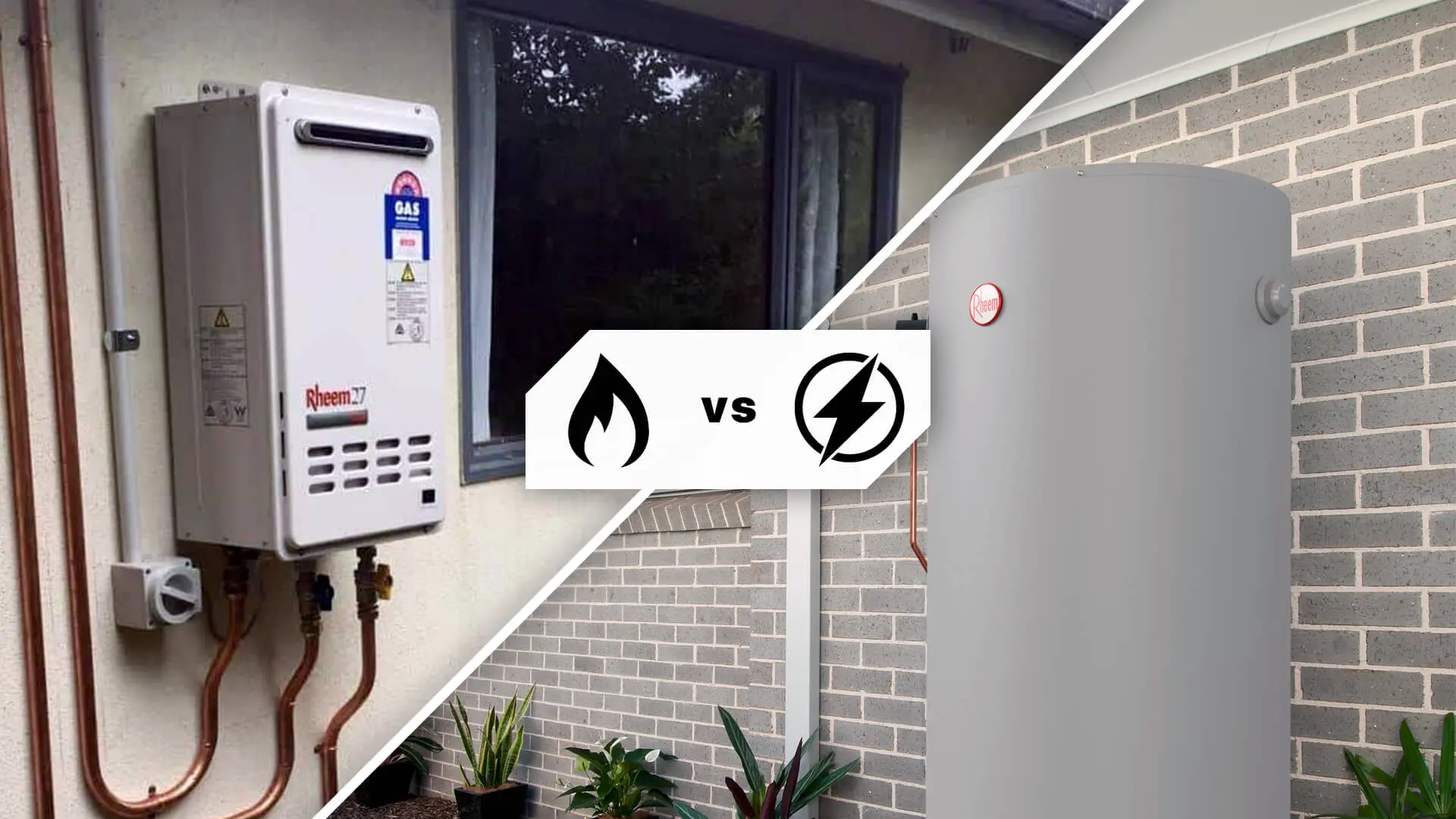
Okay, I almost slipped up there. Ignore any advice about checking the pilot light. That's for gas water heaters, and you, my friend, have an electric one. There's no pilot light to worry about!
Consider that as bonus information to help you distinguish between water heater types. Aren’t you glad you are equipped with this extra knowledge?
The Temperature Setting Tango
Your water heater has a temperature setting, usually located behind an access panel on the side of the tank. It might look like a little dial or a digital display.
Is it set to a ridiculously low temperature, like "Arctic Freeze"? Turn it up to a more reasonable setting, like 120 degrees Fahrenheit (49 degrees Celsius). This is generally considered a safe and efficient temperature.
Word of warning: Don't crank it up too high! Scalding hot water is dangerous and can cause serious burns. Plus, it wastes energy.
The Digital Display Decoder (If You're Fancy)
Some fancy-pants electric water heaters have digital displays that show the current water temperature or error codes. Consult your owner's manual to decipher any cryptic messages the display might be sending.
It might be telling you that the heating element is kaput or that there's a sensor malfunction. This is where the owner's manual becomes your best friend.
The Insulation Inspection: Keeping the Heat In
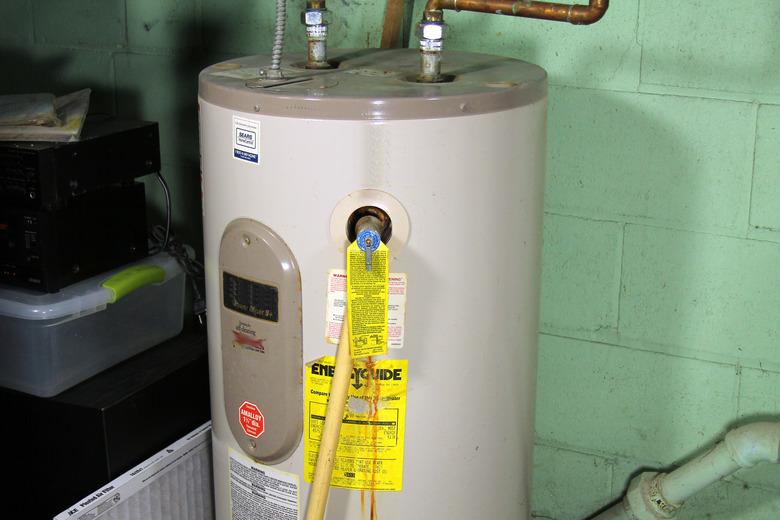
While not directly related to whether the water heater is on, proper insulation is crucial for energy efficiency. Make sure your water heater is well-insulated.
If it's an older model, consider wrapping it in an insulation blanket. It's like giving your water heater a cozy sweater!
This will help prevent heat loss and save you money on your energy bill. You will be happy to see your bill is decreasing. Remember to wear safety glasses and gloves when handling insulation.
When to Call in the Pros: The Electrician's Expertise
If you've tried all of the above steps and your electric water heater is still stubbornly refusing to heat water, it's time to call in the professionals. Don't mess around with electricity if you're not comfortable doing so.
A qualified electrician can diagnose the problem and repair or replace the faulty components. Maybe it's a broken heating element, a bad thermostat, or some other electrical gremlin.
Think of it as a small investment in your comfort and safety. It's always better to be safe than sorry when it comes to electrical work.
Bonus Tip: The "How Long Has It Been?" Test
Consider how long it's been since you last used hot water. If it's been a while (like, a week or more), it might just take a little longer for the water to heat up initially.
Give it some time, and then recheck the hot water faucet. Patience, young Padawan!
The Ultimate Test: A Steaming Hot Shower!
After all your detective work, the ultimate test is, of course, a glorious, steaming hot shower. If you step into that shower and feel like you've entered a tropical rainforest, you know your electric water heater is a champ!
Enjoy the warmth, relax, and pat yourself on the back for successfully troubleshooting your appliance. You've earned it!
Keep Record and Schedule Regular Checkup
Keep a record of all maintenance and repairs performed on your water heater. This will help you track its performance over time and identify any potential issues early on. Write down when did you replace the heating element.
Schedule a regular checkup from a qualified technician. A tech will inspect, ensure peak performance, and extend lifespan. Don’t ignore potential problems.
Prevention is better than cure. An ounce of prevention is worth a pound of cure. Benjamin Franklin said it.