How To Tell If Alternator Is Draining Battery

Hey there, fellow car enthusiasts! Ever get that sinking feeling when you turn the key and… nothing? Just a pathetic little click? Yeah, we’ve all been there. More often than not, you’re staring down the barrel of a dead battery. But what if the battery should be fine? What if something sneaky is sucking the life out of it while you're not even using the car?
That sneaky culprit could be your alternator. Wait, your alternator? Isn’t that supposed to charge the battery? Yep, it is! But sometimes, things go sideways. Think of it like this: your car battery is like a glass of water. The alternator is supposed to be constantly topping it off. But what if, instead of filling, it’s secretly got a tiny little hole at the bottom, letting the water (electricity) leak out? That's a battery drain caused by a faulty alternator.
Why is This Cool (Or, Well, Not Cool, But Interesting!)
Okay, maybe "cool" isn't the right word when you're stranded. But understanding how your car works is seriously empowering. It's like learning a secret language that lets you communicate with your vehicle. Plus, diagnosing the problem yourself can save you some serious cash at the mechanic's. Think of it as being your own car detective!
Must Read
So, how do you become this automotive Sherlock Holmes? How do you tell if your alternator is playing the villain in this electrical drama?
The Symptoms: Clues Your Car is Dropping
Your car is usually pretty good at giving you hints when something’s wrong. Keep an eye out for these telltale signs:
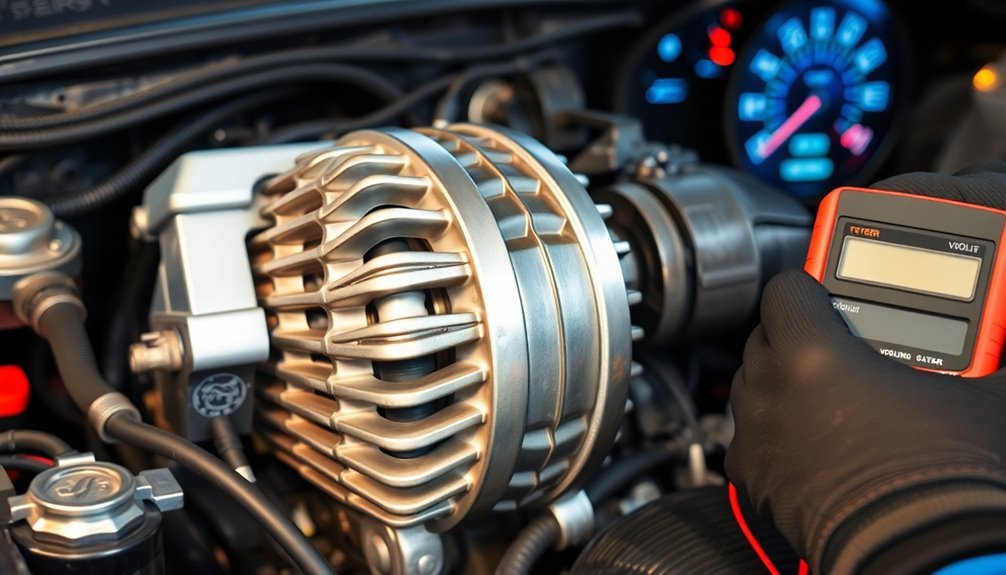
- A dead battery (especially after sitting for a short time): This is the most obvious one. If your battery keeps dying even when it's relatively new, something's definitely amiss.
- Dimming headlights: Are your headlights looking a little weak, especially at idle? This could indicate that the alternator isn’t providing enough power, and the battery is struggling to keep up.
- Warning lights on your dashboard: Keep an eye out for the “ALT” (alternator) or battery symbol lighting up. These are usually pretty clear warnings. Don't ignore them!
- Strange noises: A whining or growling sound coming from the engine compartment could indicate a failing alternator. This is especially noticeable as you accelerate.
- Electrical problems: Are your power windows moving slowly? Is your radio cutting out? These can all be signs of an electrical system struggling for power due to a draining alternator.
The Test: Time to Get Your Hands Dirty (a Little)
Now, for the fun part (or maybe not, depending on your tolerance for getting greasy). There are a few ways to test if your alternator is draining your battery.
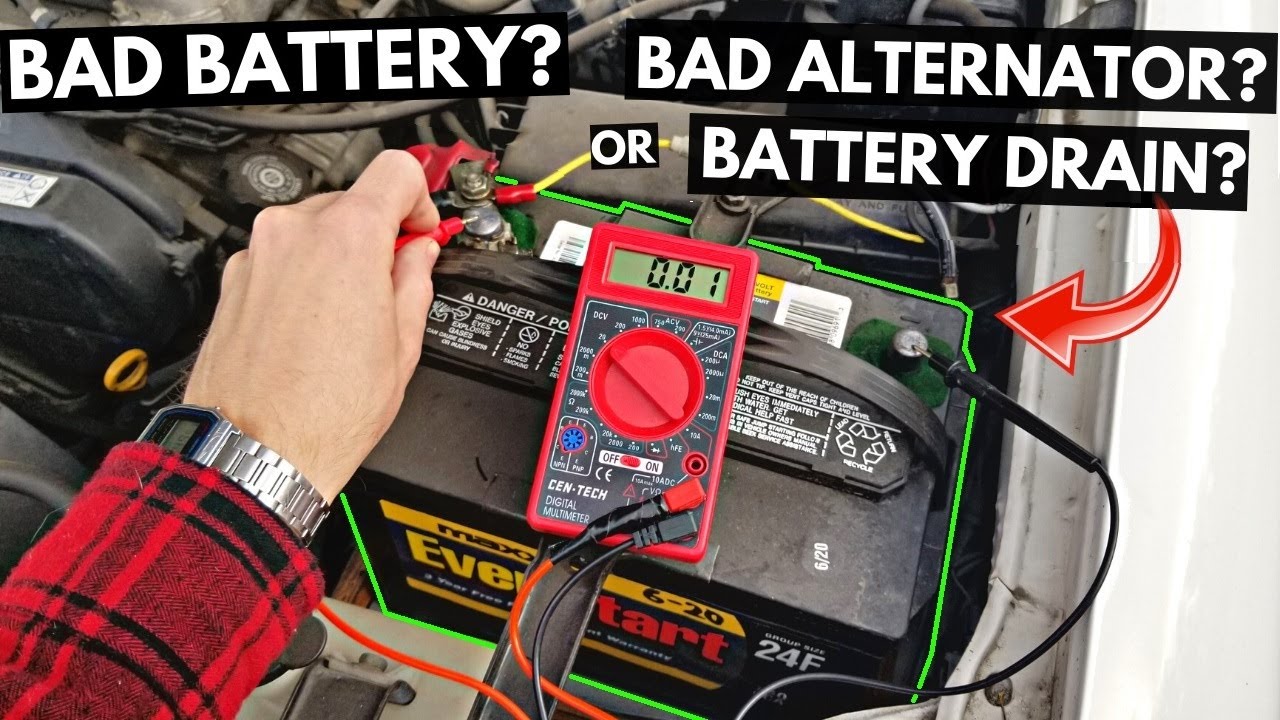
The Multimeter Method: This is the most reliable way to test for a parasitic draw (that's the fancy term for something draining your battery when the car is off).

- Safety first! Make sure your car is off, and the keys are out of the ignition.
- Locate the negative battery cable. It's usually black.
- Disconnect the negative battery cable.
- Set your multimeter to measure DC amps (usually 10A or 20A scale).
- Connect the multimeter in series between the negative battery cable and the negative battery post. This means one probe of the multimeter goes to the cable you disconnected, and the other probe goes to the negative post on the battery. You're basically making the multimeter part of the circuit.
- Wait a few minutes. Cars have computers that need to "go to sleep" after the ignition is turned off. This can take a few minutes, and you might see a slightly higher reading at first.
- Look for the reading. A reading of more than 50 milliamps (0.05 amps) indicates a significant parasitic draw. Something is sucking power when it shouldn't be.
Now, the tricky part: Figuring out what is causing the draw. You'll need to systematically pull fuses one at a time, checking the multimeter after each fuse is pulled. When the draw disappears, you've found the circuit with the problem. From there, you can narrow it down to the specific component.
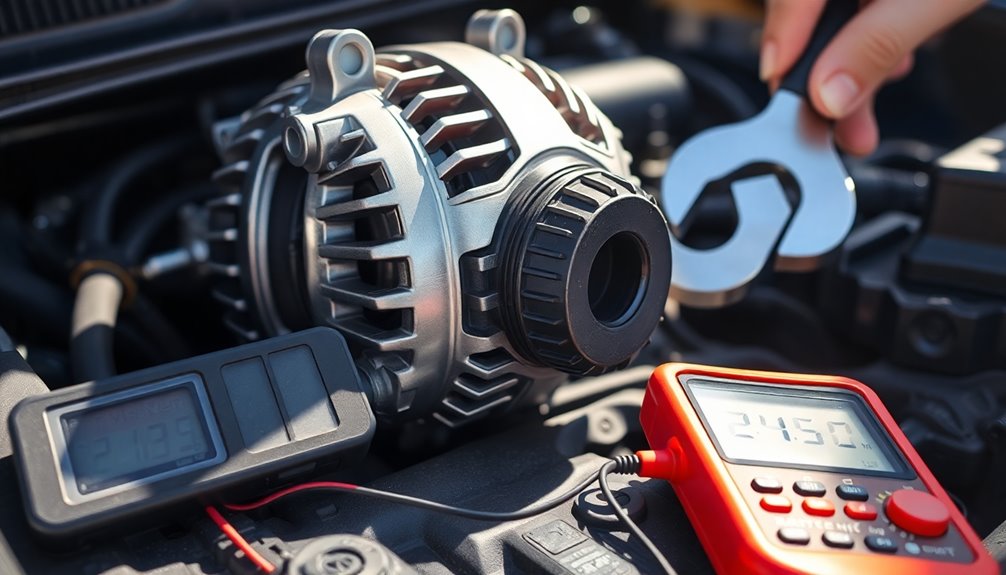
The Alternator Diode Test (Advanced): This test requires a bit more technical knowledge, but it specifically checks for leaky diodes in the alternator – a common cause of battery drain. You'll need to use a multimeter set to diode test mode and check the resistance across the alternator's terminals. Consult a repair manual or online guide for specific instructions for your alternator model.
When to Call in the Pros
If all this sounds like Greek to you, or if you've tried the tests and are still stumped, it's time to call in a professional. A qualified mechanic has the tools and expertise to diagnose and repair electrical problems quickly and accurately.
Think of it like trying to bake a complicated cake. Sometimes, you just need a professional baker to get it right. There's no shame in admitting when you need help!
So, there you have it! A (hopefully) easy-to-understand guide to figuring out if your alternator is secretly draining your battery. Remember, a little knowledge goes a long way in keeping your car running smoothly. Happy diagnosing!