
How To Tell If A Speaker Is Blown
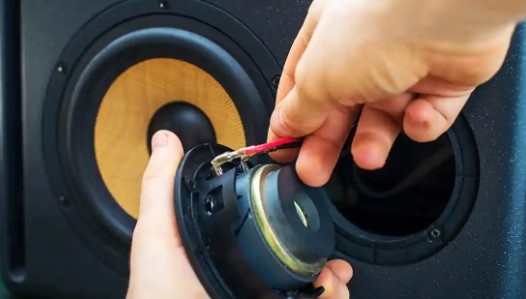
Ever heard a sound that makes you cringe? Like nails on a chalkboard, but...wrong? It could be a blown speaker! It's a mystery, a noisy puzzle, and honestly, a little bit of a fun detective game.
The Case of the Distorted Audio
The first clue? Distortion. Not the cool guitar pedal kind, but a fuzzy, crackly mess. Think of it like a perfect song getting attacked by audio gremlins.
Lower the volume a bit. Does the sound clear up? If so, your speaker is probably struggling at higher volumes. It's like a tiny athlete reaching their limit.
Must Read
Listening for the Unnatural
Next, listen for rattling or buzzing. These aren’t intentional sound effects! It’s the speaker’s components flapping around when they shouldn’t be.
Turn off the music entirely. Can you still hear a faint buzzing or humming from the speaker itself? That’s a bad sign, folks. It's like a ghost trapped inside your sound system!
Pay close attention to bass-heavy sounds. Blown speakers often struggle with low frequencies. The bass might sound weak, distorted, or just plain wrong.
The Smell Test (Seriously!)
This one's a bit unusual, but effective. Get close to the speaker (when it's off, of course!). Do you smell something burnt or acrid?
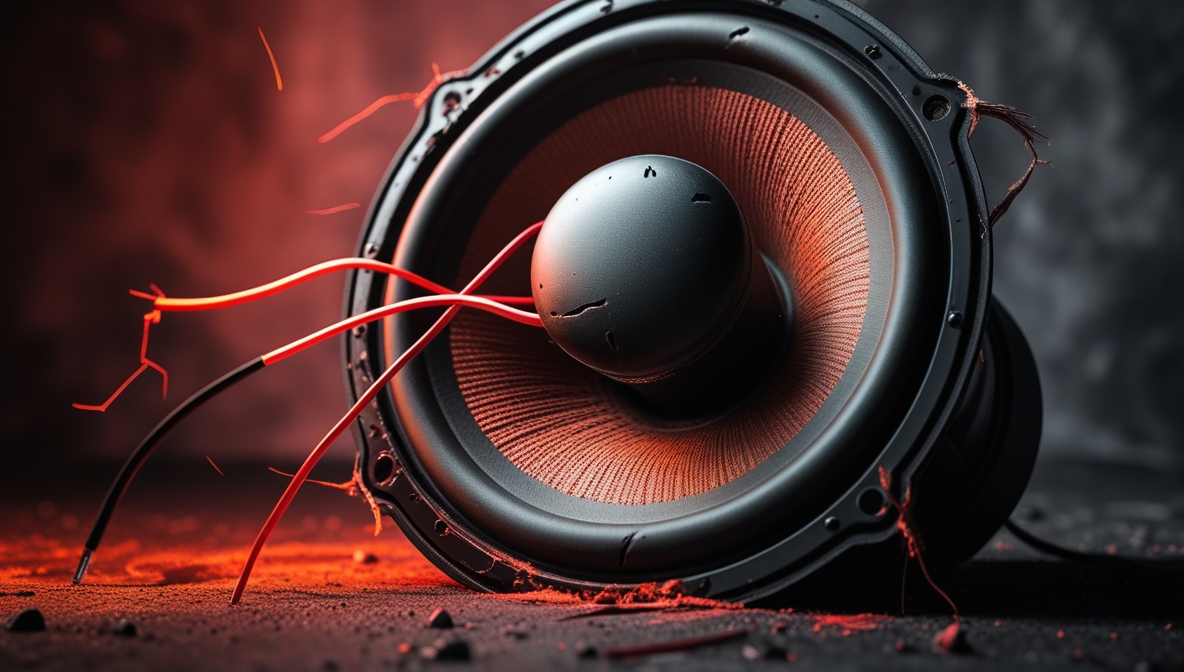
That smell is a major red flag! It’s the equivalent of your speaker screaming “I’m dying!” Consider it the final nail in the coffin.
A burnt smell indicates that your speaker has been overdriven, and it needs a rest. It’s like your sound system is calling for a timeout.
Visual Inspection: A Sneak Peek
Now, for the visual examination! Carefully inspect the speaker cone, the part that moves to create sound. Look for any tears, cracks, or holes.
Sometimes, the damage is obvious. It’s like finding a gaping wound on a musical instrument. A damaged cone directly affects the sound quality!

Check the surround, the flexible material connecting the cone to the speaker frame. If it's cracked or deteriorated, the speaker's movement is compromised.
The Push Test: Handle with Care
This test requires a gentle touch. Very gently push on the speaker cone. Does it move smoothly and evenly? Or does it feel scratchy or make a rubbing sound?
Any resistance or scraping indicates a problem with the voice coil. The voice coil is like the engine of the speaker, and it needs to move freely.
Important: Be extremely careful! Pushing too hard can cause further damage. Think of it like performing delicate surgery on your audio equipment.

Testing with a Known Good Source
Try playing music you know extremely well. If you always hear a specific detail clearly, and now you don't, that points to an issue.
Use a different audio source. Connect the speakers to a different device. If the distortion disappears, the problem might be with the original source, not the speaker itself.
It is like ruling out suspects one by one until you find the culprit! And you might just discover that it isn’t your speaker after all.
When in Doubt, Seek Expert Advice
If you're still unsure, consult a professional. Audio technicians can diagnose speaker problems with specialized equipment. They are like doctors for your sound system!

Repairing a speaker can be tricky, so professional help is often the best option. It can save you time, money, and further damage.
Plus, they might have some interesting stories about the worst speaker damage they've ever seen! It’s a journey into the heart of audio disasters.
The Satisfaction of Solving the Mystery
Figuring out if a speaker is blown is surprisingly satisfying. It's a blend of detective work, technical understanding, and a bit of audio intuition.
You get to use your senses, listen closely, and observe carefully. It's a skill that can save you money and impress your friends.
“Hey, I’m an audio Sherlock Holmes!”
So, next time you hear something amiss, don't just ignore it. Embrace the challenge! Dive into the world of distorted sound and become a speaker sleuth.