How To Tell How Old A Mouse Is

Ever found yourself gazing at a scurrying creature, perhaps in your garden or, if you're a proud owner, within a cozy cage, and wondered, "Just how old is that little guy?" It might seem like an unusual superpower to covet, but the ability to gauge the age of a mouse offers a surprisingly delightful peek into the fascinating world of our tiniest neighbors. It’s not just for hardened zoologists; anyone can learn to spot the subtle clues, transforming a fleeting glimpse into a moment of genuine connection and understanding. It’s about honing your powers of observation, turning the ordinary into an extraordinary detective challenge!
Beyond the sheer fun of being a "mouse age-sleuth," there are some genuine benefits to this seemingly niche skill. For pet mouse owners, knowing your furry friend's developmental stage is crucial for their care. Are they a spry youngster needing lots of playtime, or an elder statesman requiring a quieter, more comfortable environment? This knowledge helps you provide the best diet, habitat, and medical attention. In the wider world, understanding the life cycle of wild mice contributes to a broader appreciation of local ecosystems. It fosters empathy and respect for all creatures, reminding us that even the smallest lives have complex journeys. It’s about seeing the world through a more observant and compassionate lens.
So, how is this wisdom applied in everyday life? For those with pet mice, it’s a daily practice – observing changes as they grow from tiny pups to venerable adults. Animal shelters and rescue organizations often use these indicators to assess the age and health of incoming mice. Even without a pet, a casual observer might spot a wild mouse and, with a little know-how, appreciate whether it's a frantic adolescent or a seasoned survivor. It turns a simple sighting into a moment of miniature wildlife appreciation, making you feel more attuned to the natural pulse of your surroundings, even if that surrounding is your own backyard.
Must Read
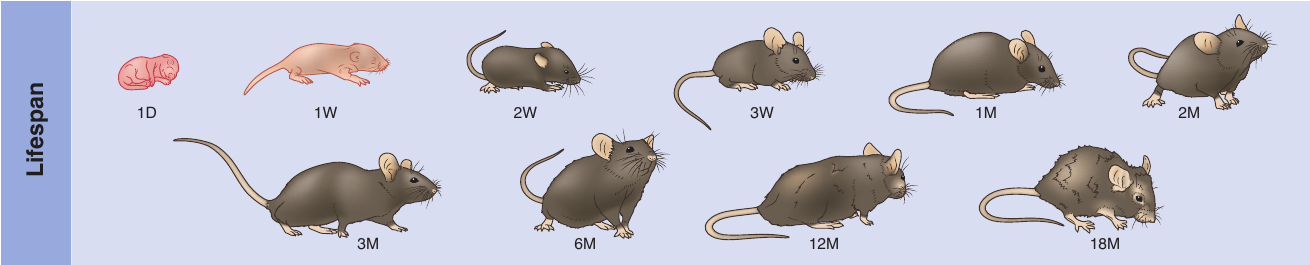
Ready to sharpen your mouse-aging skills? Here are some practical tips to get you started! First, consider their size and proportions. Newborn mice are impossibly tiny and pink, with closed eyes. As they age, they grow, their fur develops, and their eyes open around 10-14 days. Look at their fur: young mice typically have soft, pristine coats, while older mice might have slightly coarser fur, or even some battle scars from a long life. Their activity levels are another tell-tale sign; young mice are often a blur of boundless energy, zipping around with remarkable speed, whereas elderly mice tend to move more slowly and deliberately, taking frequent naps.
Don't forget to observe their overall demeanor. Are they bright-eyed and bushy-tailed (pun intended!) or do they seem a bit more subdued? While no single factor is definitive, combining these observations will give you the most accurate picture. Remember to always observe wild mice from a respectful distance to avoid causing them stress. By paying attention to these tiny details, you’re not just guessing an age; you’re engaging in a delightful act of discovery, unlocking the hidden stories of the small, vibrant lives all around us. It’s a wonderful way to connect with nature, one little whiskered face at a time!