
How To Tell Bronze From Brass
Hey there, fellow curious cat! Ever stared at something shiny and wondered, "Is that brass or bronze?" Yeah, me too! It's like trying to tell identical twins apart when they're both wearing the same fabulous outfit. But don't fret, because by the end of our little chat, you'll be a bona fide metal detective, sniffing out the differences like a pro. And without needing a fancy lab coat, I promise!
First things first, let's get one thing straight: both brass and bronze are like the cool kids in the copper family. They're both alloys, which just means they're a mix of metals. Copper is the star ingredient in both, giving them that lovely warm glow. But it's their sidekicks that make all the difference, creating their unique personalities. Think of it as siblings with different best friends!
The Ol' Eyeball Test: Color Clues!
This is usually your first and best bet, especially if the metal is clean (no fair if it's covered in grime, that's cheating!).
Must Read
Brass: The Bright Sparkler
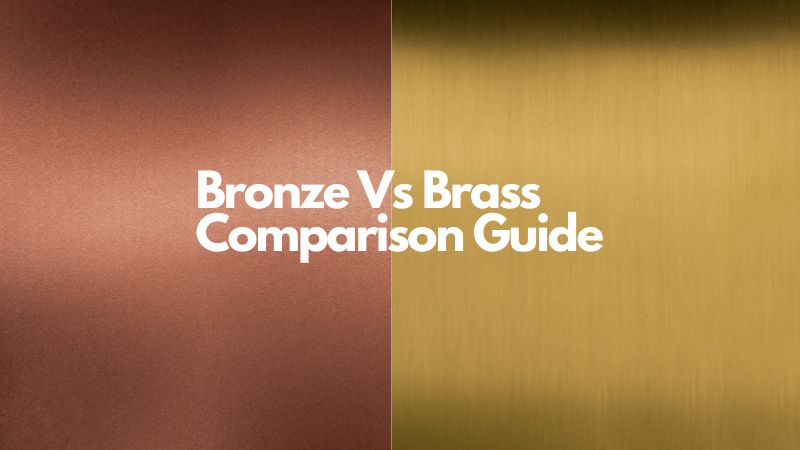
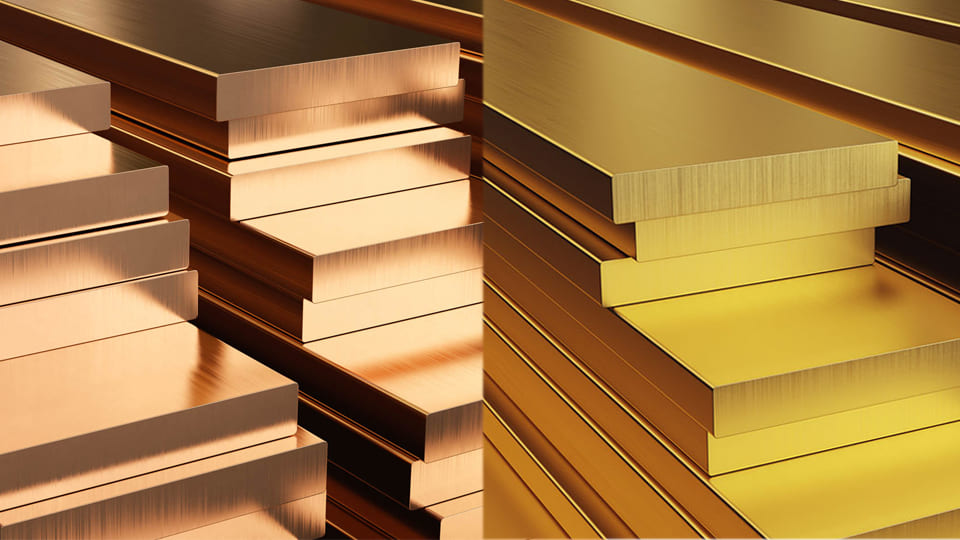
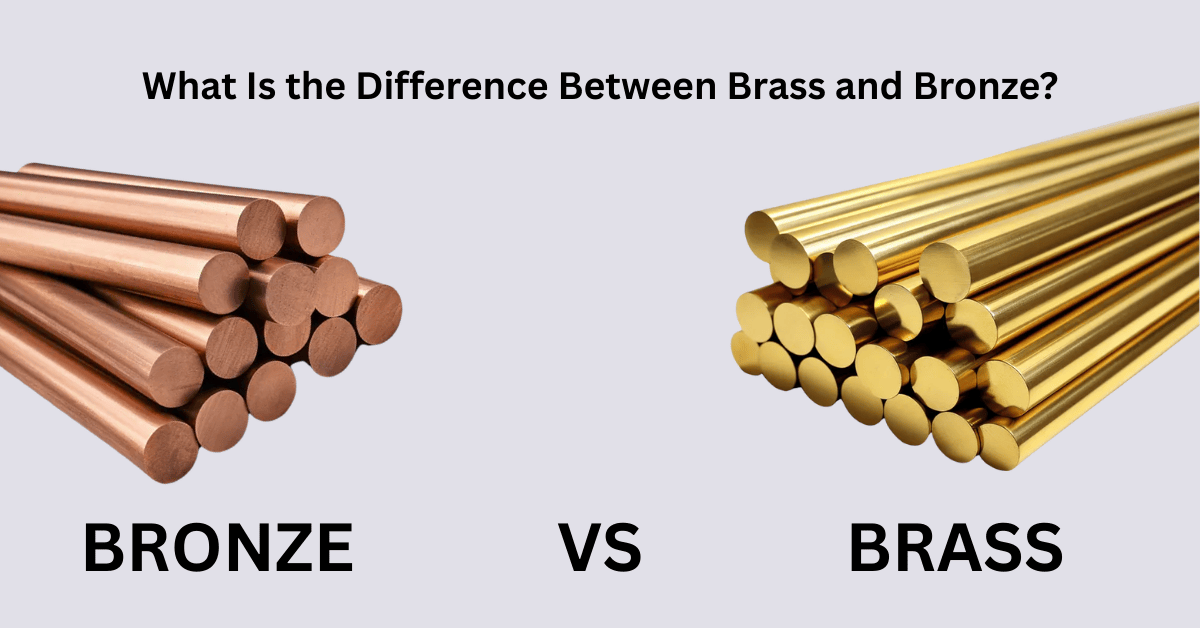
Think "golden hour" sunshine or a brand-new trumpet. Brass is typically a brighter, more vibrant yellow, often with a slight reddish tint. It looks a bit more like polished gold, but usually not as intensely yellow. If it practically winks at you, it's probably brass. It’s got that “ready for a party” vibe.
Bronze: The Earthy Elder
Now, bronze is the sophisticated cousin. It tends to be a deeper, more reddish-brown. It has a richer, more muted tone, almost like aged copper or a warm sunset. Imagine an ancient statue (we'll get to those!). Bronze has a more "wise and contemplative" aura, if metals could have such things.

Pro Tip: Compare them side-by-side if you can! It's like finding Waldo, but for metals. Much easier with a reference point.
The "Ding!" Test: Listening to the Ring
Got a piece you can tap? This can be surprisingly helpful for larger, unmounted items like bells or decorative objects.
Brass: High Notes Only
When you tap brass (gently!), it often produces a higher-pitched, brighter, and shorter ringing sound. Think of a small bell or a sharp "ping." It's quite direct.
Bronze: The Deep Resonator
Bronze, on the other hand, often gives a lower, more resonant, and sustained tone. It "sings" a bit longer, with a deeper, richer quality. Like a gong or a really well-made church bell. It's less of a "ping" and more of a "bonggggg." (Disclaimer: please don't smash your precious antiques. A gentle tap will do!)
The Green Gaze: Patina Power!
This is where things get really fun, especially with older items. Patina is that lovely, aged layer that forms on metals over time. It's like wrinkles for metals, telling tales of their past.
Brass: The Subtle Agers
Brass usually tarnishes to a duller, darker brown over time. Sometimes it can develop a greenish tint, but it's generally not as pronounced or vibrant as its bronze counterpart.

Bronze: The Statue of Liberty Special!
Ah, bronze! This is its superpower. Exposed to the elements, bronze develops that iconic, stunning blue-green or greenish-blue patina, also known as verdigris. Yes, just like the Statue of Liberty! If you see that gorgeous jade-like crust, you can pretty much bet your bottom dollar it's bronze. It’s like nature giving it a beautiful, aged makeover.
The Not-So-Helpful Magnet Test (But Worth Mentioning!)
Okay, here’s a quick one: neither brass nor bronze are magnetic. So, if you grab a magnet and it sticks, you've probably got some kind of iron or steel on your hands. But if it doesn't stick, it just means you're still in the brass/bronze family. Handy for ruling out other metals, but not for telling our two friends apart. So, don't try to stick your fridge magnet to a museum statue – it won't work anyway, and you'll just look silly!
The Super Sneaky Spark Test (Don't Try This at Home!)
This one's for the pros with grinders, folks! When brass is ground, it tends to throw off a yellowish spark. Bronze, however, produces very few sparks, if any, and they’re often reddish. Unless you're a welder or a metal fabricator with proper safety gear, just admire this fact from afar. We're going for "fun," not "accident-prone," remember?
Why Bother, Anyway?
Knowing the difference can be super useful! Maybe you're restoring an antique, buying a vintage piece, or just want to sound super knowledgeable at your next dinner party. "Oh, that lovely patina on your statue? Definitely bronze, darling!" (Cue impressed gasps). It's all about appreciating the little nuances in the world around us.
You're a Metal Maestro!
So there you have it! From bright yellow winks to deep resonant rings and stunning green makeovers, you're now equipped with the ultimate guide to telling brass from bronze. It's not about being perfect, it's about having fun and learning something new.
Go forth, my friend, and embrace your inner metal detective! The world is full of interesting things waiting for your keen eye and newfound knowledge. Every shiny object holds a story, and now you have a few more clues to unravel them. Keep shining, you brilliant gem!